























Strait Of Hormuz: Client Challenge Elevates Risk Questions for Shipping and Insurance

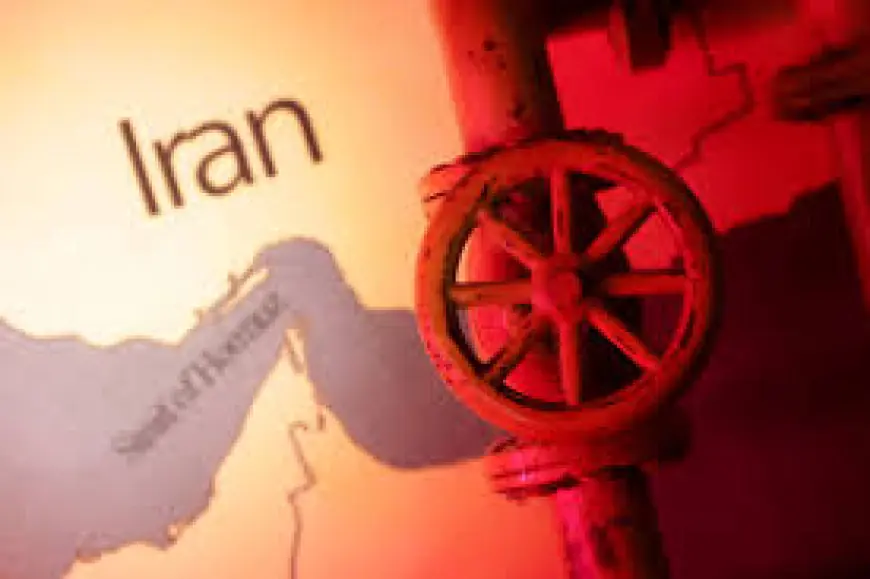
The label "Client Challenge" has refocused attention on the strait of hormuz. Who feels the impact first is unclear in the provided context, but the immediate conversation centers on commercial shipping, insurance arrangements and energy-market sensitivity. Essential operational details and the sequence of actions are unclear in the provided context; this article separates what is known from what remains to be confirmed and highlights likely pain points.
Impact-first: which parties face immediate exposure and why the uncertainty matters
For now, the most exposed groups are commonly the ones tied to transit, underwriting and commodity pricing — though exact exposures are unclear in the provided context. Ship operators and cargo owners typically react quickly when a named event affects a major chokepoint, while insurers reassess underwriting lines. The speed of contractual and routing decisions will shape real-world disruption; those dynamics are not detailed in the provided context.
What the 'Client Challenge' says about the Strait Of Hormuz situation
The content labeled "Client Challenge" is the only concrete descriptor available. It signals a named issue that draws focus to the Strait Of Hormuz but offers no operational timeline, actors, or official directives in the provided context. That absence leaves the nature of any restrictions, warnings or policy shifts unclear in the provided context.
Event details (embedded, not a step-by-step retelling)
The factual material supplied is limited to the single title "Client Challenge. " Specific actions, such as orders, attacks, or formal prohibitions, are unclear in the provided context. Equally unclear are which vessels, if any, are affected and whether maritime traffic has been altered. Without those specifics, commercial responses will likely be guided by precaution rather than confirmed new rules.
- Commercial routing: unclear in the provided context.
- Insurance posture: unclear in the provided context.
- Oil and energy-market impact: unclear in the provided context.
- Regulatory or military orders tied to the event: unclear in the provided context.
Operational and commercial consequences
Here’s the part that matters: when a named problem singles out a strategic corridor, practical consequences typically surface in three areas — routing choices, insurance premiums and market signals. The specifics for this "Client Challenge" are not provided, so firms and stakeholders must evaluate exposure using internal risk tolerances and contingency plans rather than waiting for public confirmation.
The real question now is how quickly firms will shift from monitoring to action. With only a title to work from, decisions will lean conservative; that means route re-routing, contract clauses that allow for deviation, and urgent underwriting reviews are plausible responses, though those actions are not described in the provided context.
- Ship operators and charterers: likely first movers on routing decisions; precise behavior unclear in the provided context.
- Insurers and underwriters: likely to reassess exposure and pricing; any policy cancellations or price changes are unclear in the provided context.
- Commodity traders: price sensitivity may rise; concrete market moves are unclear in the provided context.
Signals that would confirm the next turn include explicit operational directives, changes in underwriting language, and market-price moves tied specifically to the named event. Those confirming indicators are not present in the provided context, so stakeholders must watch for formal notices and contractual amendments.
It’s easy to overlook, but the difference between heightened rhetoric and binding operational restrictions will determine real costs. Until more information is provided, uncertainty itself is the immediate risk.
Writer’s aside: the single descriptor "Client Challenge" suggests the issue is being handled within a commercial or advisory frame rather than as a fully public incident, but the absence of detail makes firm interpretation tentative.