



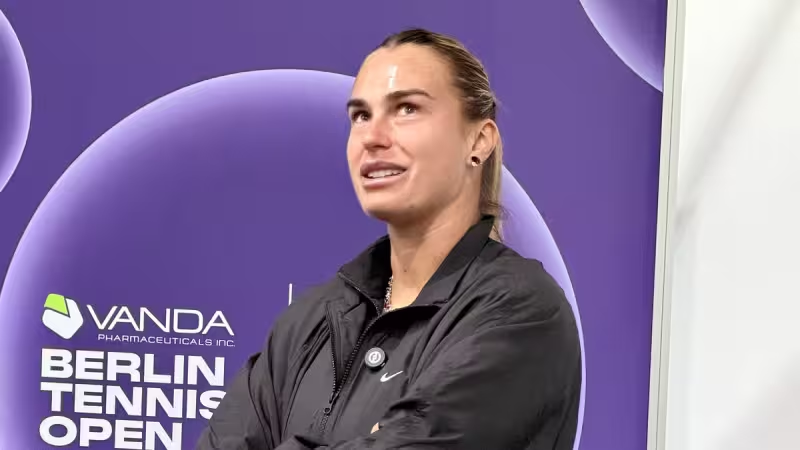
“It was tough to process,” Aryna Sabalenka told reporters on Monday in Berlin, admitting she had spent recent weeks speaking with a psychologist as she tried to understand the shock of her Roland Garros quarterfinal defeat. Sabalenka added with a self-effacing laugh, “I’m just trying to dig deep in my brain—which is probably not a good idea.”
The admission came at her pre-tournament media availability ahead of the grass swing, with Sabalenka still the woman at the top of the rankings: this is her 95th week as WTA No. 1 and her 87th consecutive week holding the position. The contrast between that longevity and what happened in Paris is stark—during the quarterfinal she lost 10 games in a row to Diana Shnaider, an unraveling she has called difficult to move past.

Sabalenka spoke publicly for the first time since leaving Roland Garros, choosing Berlin—a WTA 500 event with a stacked draw—as the place to lay out where she is mentally. She has long been a force on faster surfaces and has played well on grass, but she has yet to lift a trophy on the surface, an absence that now hangs over her as she prepares to compete.
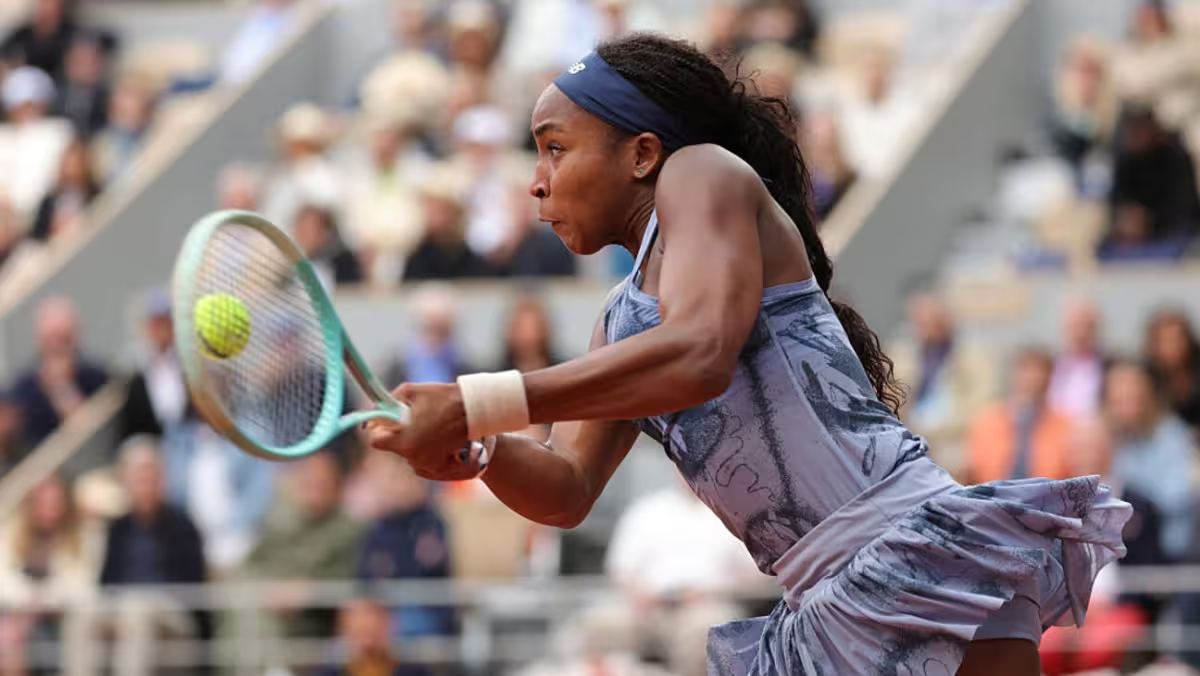
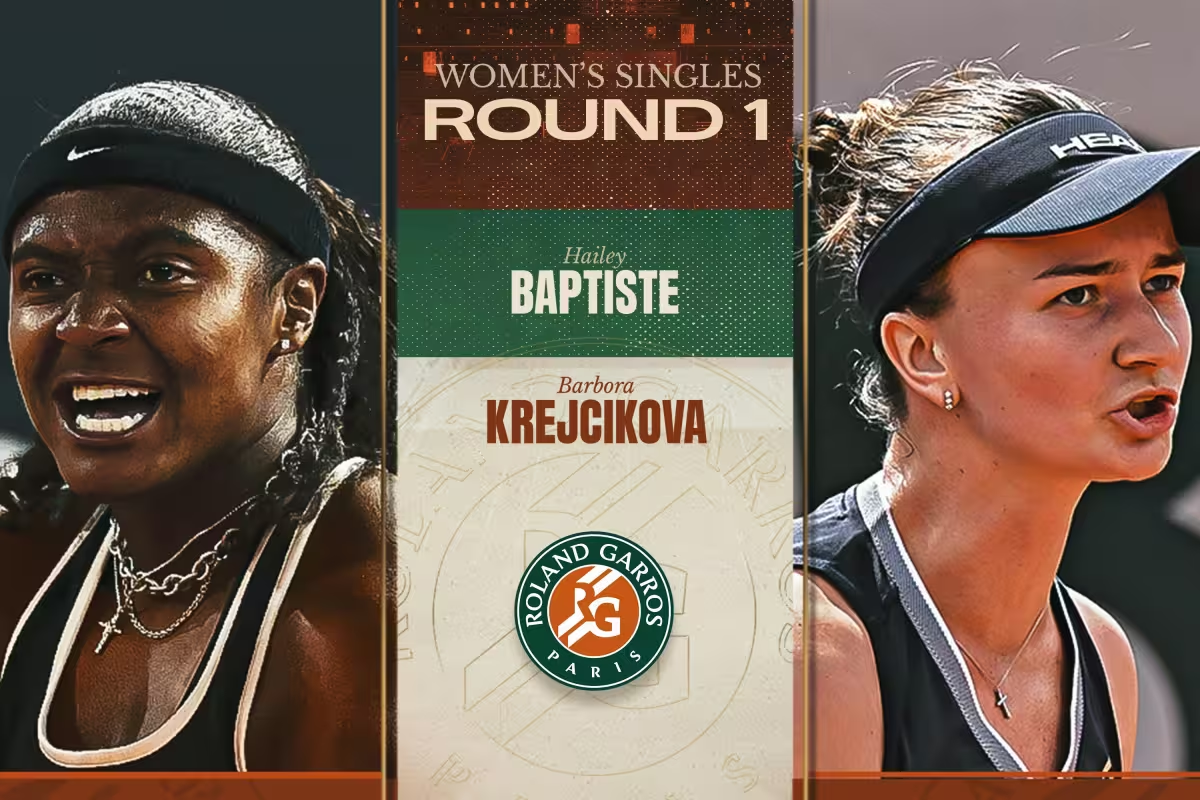
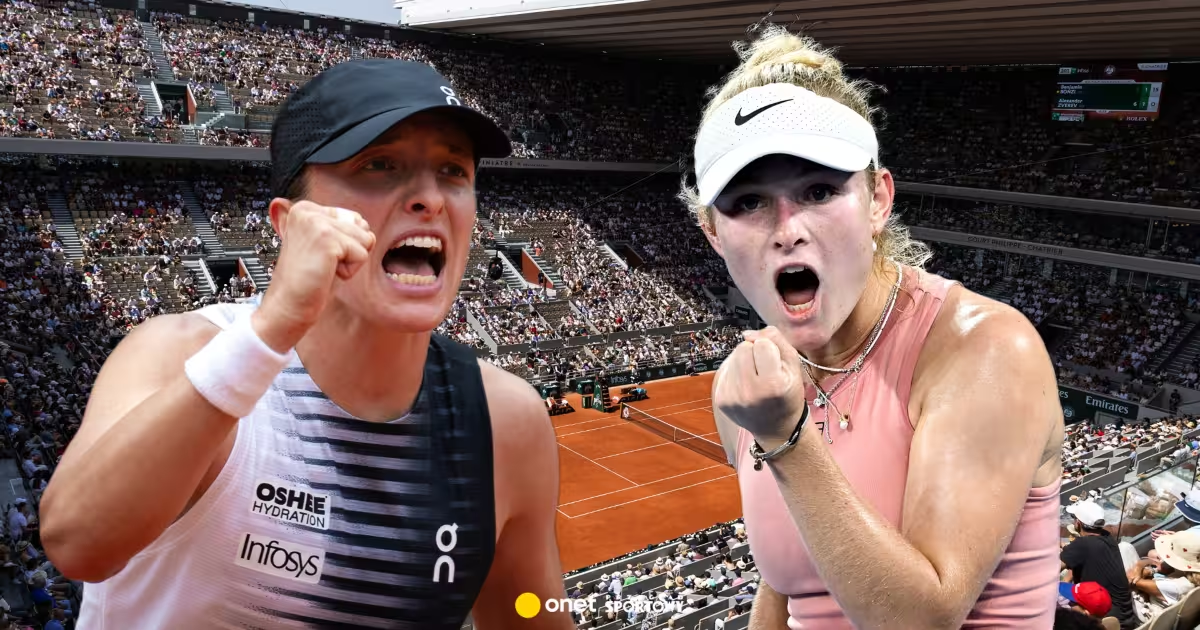
The practical weight of those facts is simple: a player who has been the tour’s clearest No. 1 for nearly two years is openly parsing a rare collapse. Sabalenka’s reign has covered six majors, but she has won only one of them during her current run at No. 1, which deepens the scrutiny when a match like Paris happens. The loss—10 games in a row to Shnaider—was not a typical blip for a top-ranked player; it was a specific failure that demanded an explanation and, by her own account, some professional help.
Her comments in Berlin were guarded but candid. Sabalenka said she had been talking with a psychologist in recent weeks, an acknowledgement that the work on court sometimes needs to be matched by work off it. She did not detail what that process looks like or what changes she might make; she limited herself to describing the defeat as “tough to process” and to the wry line about digging into her head. That restraint leaves a practical question in plain sight: how will those conversations translate into match-to-match adjustments?
There is also a competitive frame to consider. The grass season offers Sabalenka a quick chance to answer questions raised at Roland Garros. Berlin’s draw is strong, and the tournament is one of the early tests before Wimbledon. Fans and rivals who saw Diana Shnaider’s upset—coverage of which is available here—will be watching to see whether the world No. 1 looks mentally reset, or the same player who surrendered that run of games in Paris.
For now, Sabalenka’s public steps are limited to acknowledging the work she is doing and admitting confusion about the Paris match. She retains the ranking and the record that make her a headline figure—95 weeks at No. 1, 87 of them consecutive—but the most consequential detail is the unanswered one: what concrete changes will come from her talks with a psychologist, and will they be visible on grass in the weeks ahead? The answer will arrive on court, where she has yet to win a title on the surface and where outcomes will do more to settle questions than explanations.



