



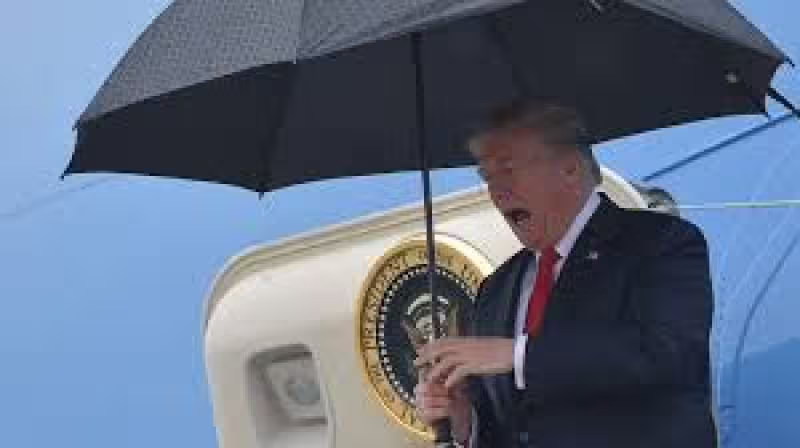
The Weather Channel forecast rain, wind, a 60 percent chance of thunderstorms, a triple‑digit heat index and "massive swarms of mosquitoes and gnats" for President Donald Trump's 80th birthday UFC event on the White House lawn — a forecast the White House publicly attacked even as a severe thunderstorm watch and lightning were reported that night.
The forecast included specific risk numbers and operational warnings: a 60 percent chance of thunderstorms, wind gusts up to 34 mph, and language about an extreme heat index. The channel warned that a single lightning strike within eight miles would trigger an automatic 30‑minute event freeze for outdoor fights.

That combination of probability and operational consequence is what made the forecast newsworthy in real time. Organizers planning live fights outdoors treat lightning within eight miles as a hard trigger; officials later paused the card roughly 45 minutes after the National Weather Service issued a severe thunderstorm watch for the Washington area and lightning was reported that night.
Instead of a routine exchange between meteorologists and event planners, the forecast exploded into politics on social media. The White House’s Rapid Response account called The Weather Channel a "friendless loser" and blasted the coverage as "bulls--t clickbait." Late‑night hosts and pundits amplified the spat: Seth Meyers mocked the attack with, "I’m sorry, they’re a friendless loser? OK, person who just picked a fight with The Weather Channel."
Allies and commentators pushed competing narratives. At 1:22 a.m., White House aide Dan Scavino posted, "ZERO RAIN! ZERO WINDS!! ZERO MOSQUITOES!!!" Others wrote that the network "couldn't have been more wrong," while Ric Grenell pointed to ownership, saying The Weather Channel is owned by "an activist left wing private equity firm called Francisco Partners." Commentator Dan Bongino described the scene as "fantastic — cool, breezy, and rain-free."
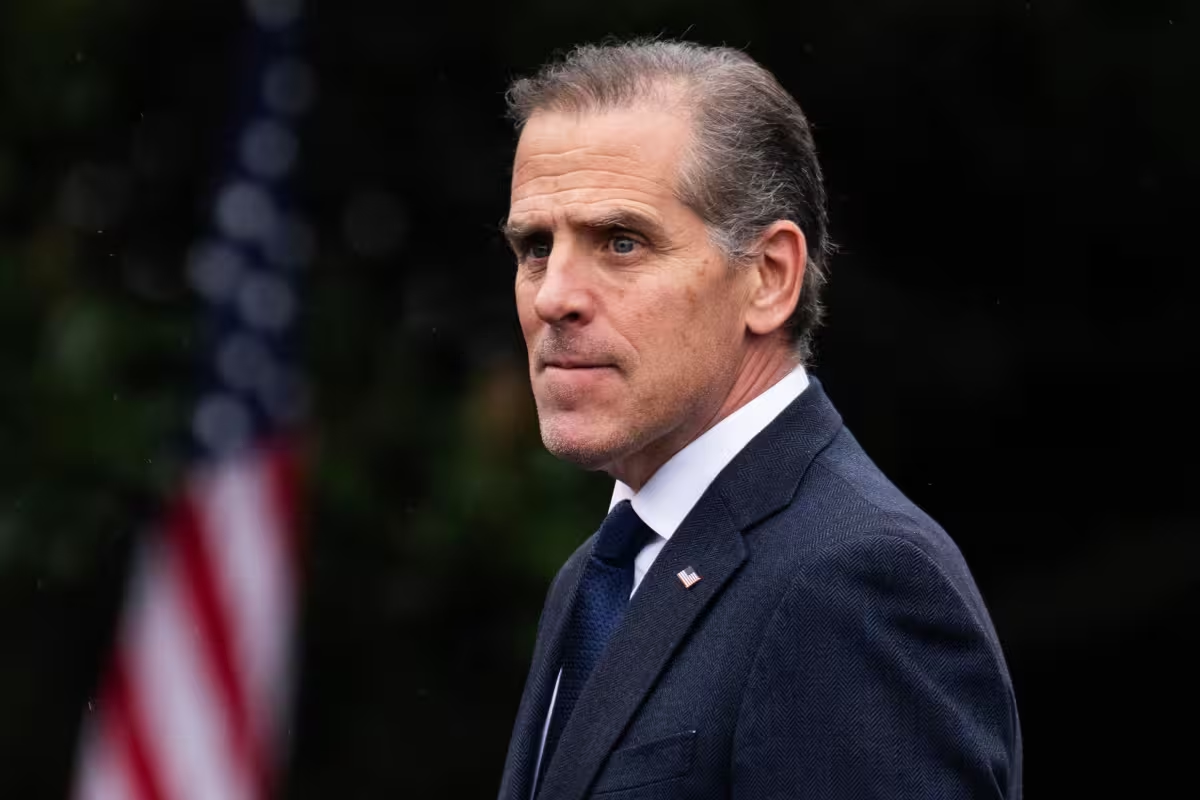
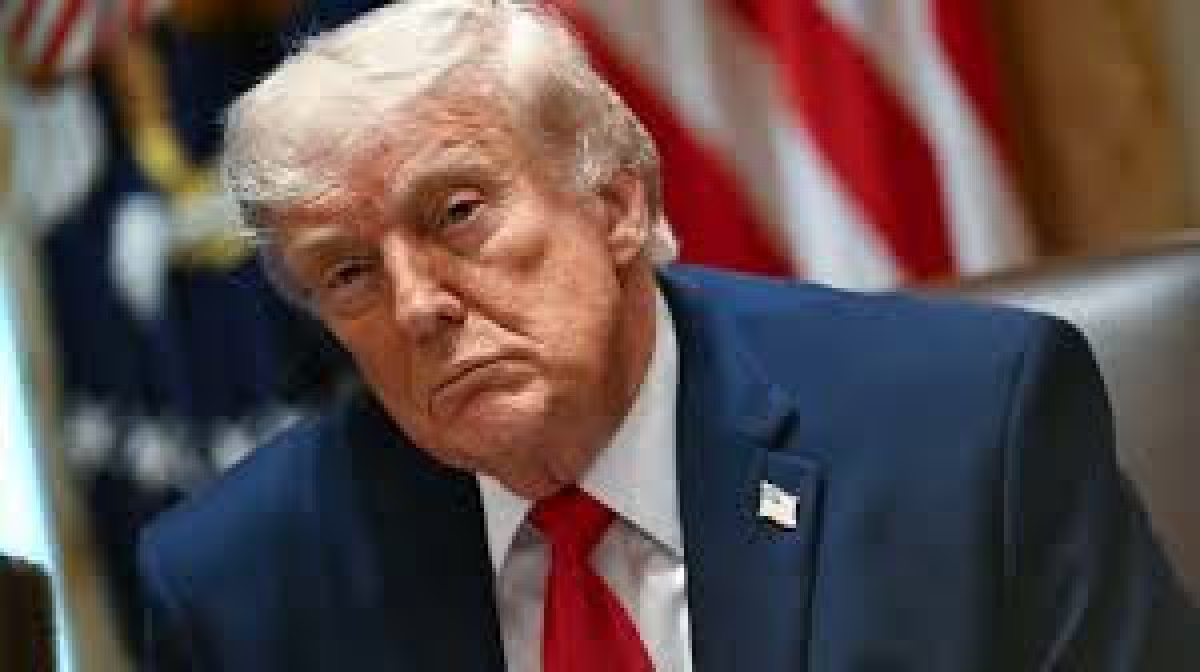
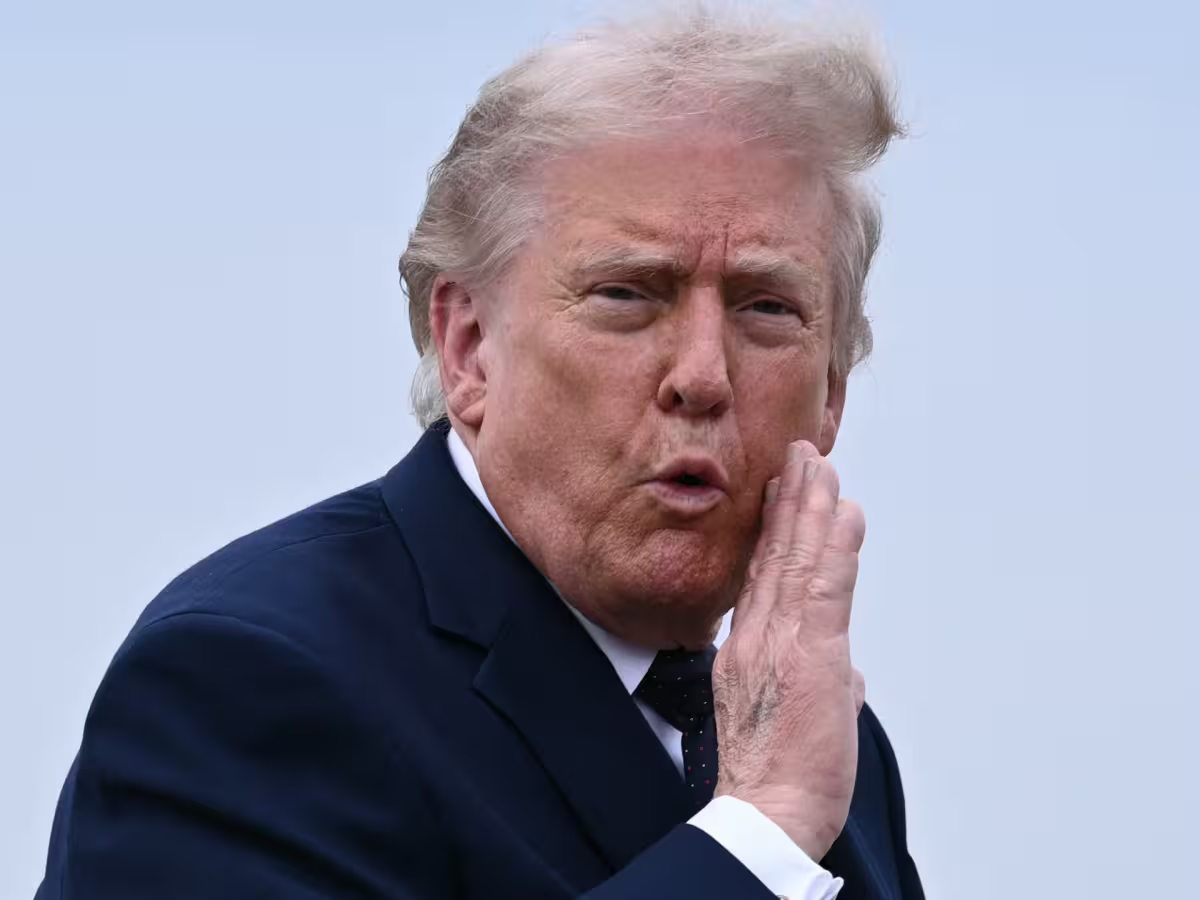
The friction is straightforward: White House accounts framed the forecast as false or politically motivated; local meteorological authorities and national forecasters issued watches and reports that night. The Boston Globe noted both the National Weather Service's severe thunderstorm watches and that lightning was reported Sunday night, and local DC forecasters had issued their own alerts ahead of the event.
Practically, the forecast mattered because weather rules dictated the event response. Organizers delayed fights by roughly 45 minutes after the severe thunderstorm watch and reported lightning, consistent with the channel’s warning that even a single strike within eight miles would halt activity for 30 minutes. Whether that pause affected the competitive card is concrete; whether it affected attendance or the broader political fallout is not documented in the available reporting.
The episode highlights how a technical forecast — probabilities, gust speeds, heat indices, and lightning protocols — can become a political flashpoint when it intersects with a high‑profile public event. Weather information is conventionally relayed to protect people and property; when those messages are reframed as partisan noise, the practical public‑safety function is at risk of being undermined or ignored.
The most consequential unanswered question is also the simplest: will organizers and officials treat forecasts as operational guidance or as political talking points next time a major event collides with severe‑weather risk? Sources document the online criticism and the weather watch, and they record the delay. They do not establish whether the forecast changed who showed up, nor do they suggest any formal change to how weather warnings will be handled at future White House events.
For now, the clash remains a case study in how weather communication can be politicized: a network issued a forecast with measurable risks, the White House rejected that readout in public, and on the same night official forecasts and lightning reports validated at least some of the meteorological warnings — leaving the dispute unresolved on matters of intent and consequence.



