



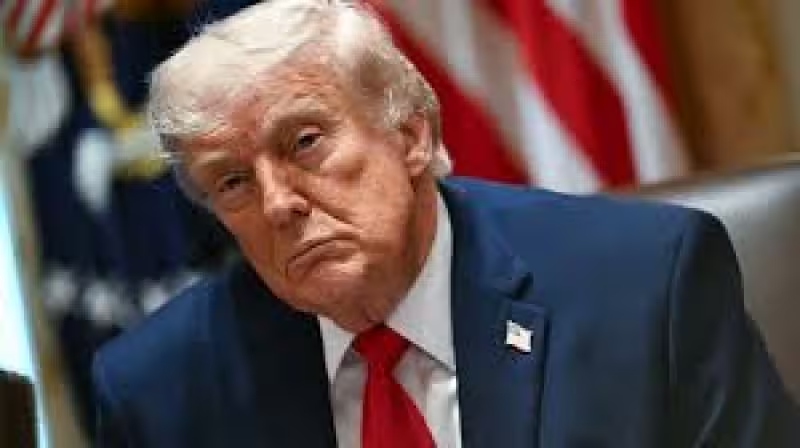
A federal judge has reopened Donald Trump’s $10 billion lawsuit against the Internal Revenue Service, pulling a case back into court even after Trump dropped it last week. Kathleen Williams said on Friday she wanted to examine the reported settlement behind the move, including whether it was used to avoid judicial scrutiny and whether the parties on both sides were truly adverse.
Williams ordered Trump’s attorneys to tell her by 12 June how they plan to respond to the charges of collusion and to address the question of whether the case should be reopened because the court was the victim of a fraud. The judge said she was seeking to investigate the circumstances around the settlement and whom it benefited, a sharp escalation in a dispute that had appeared to be over.

Trump and his sons brought the lawsuit after their personal and business tax returns were leaked by a former contractor, turning a tax dispute into a larger fight over how the government handled their records. But the case has now been reopened because the dismissal did not settle the deeper question Williams is pressing: whether the reported bargain that came with it was legitimate, or whether it crossed a line by cutting the court out of the process.
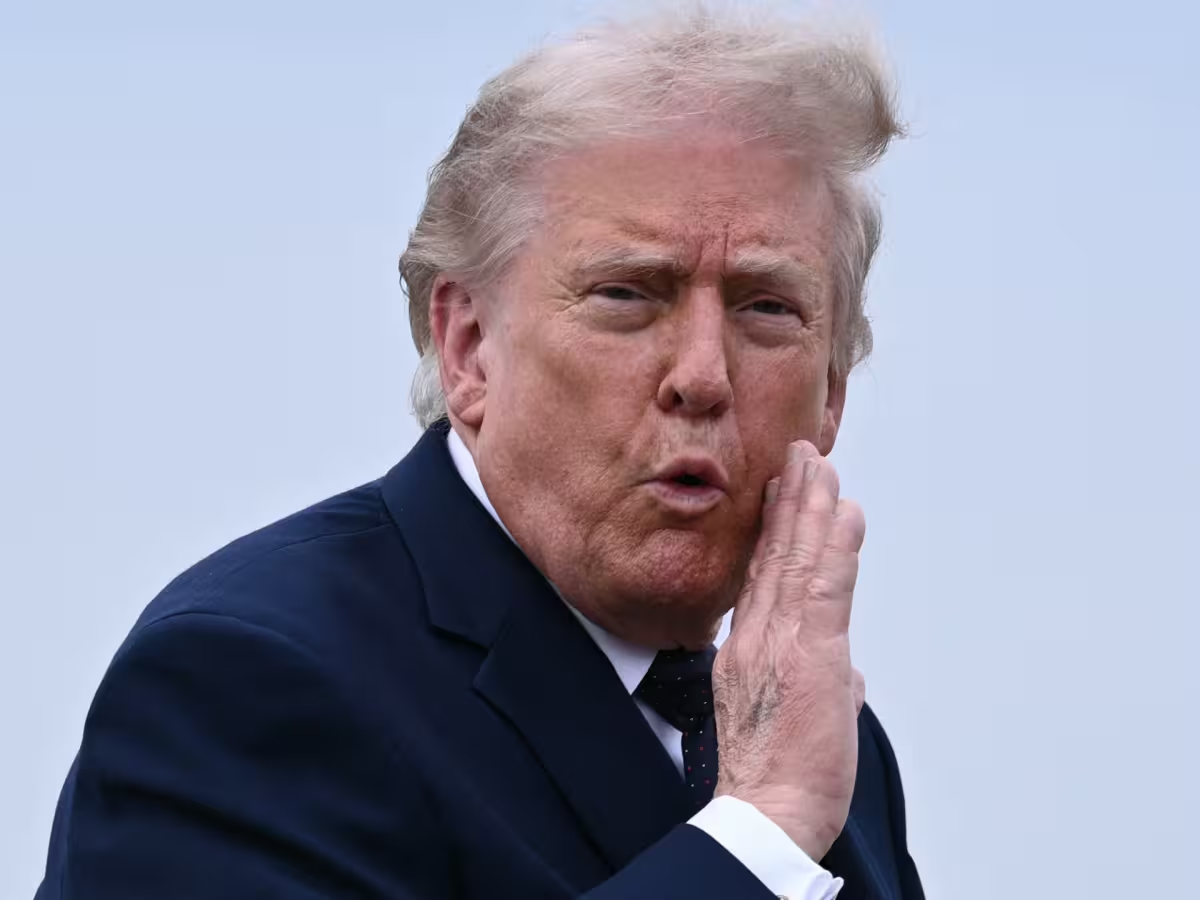
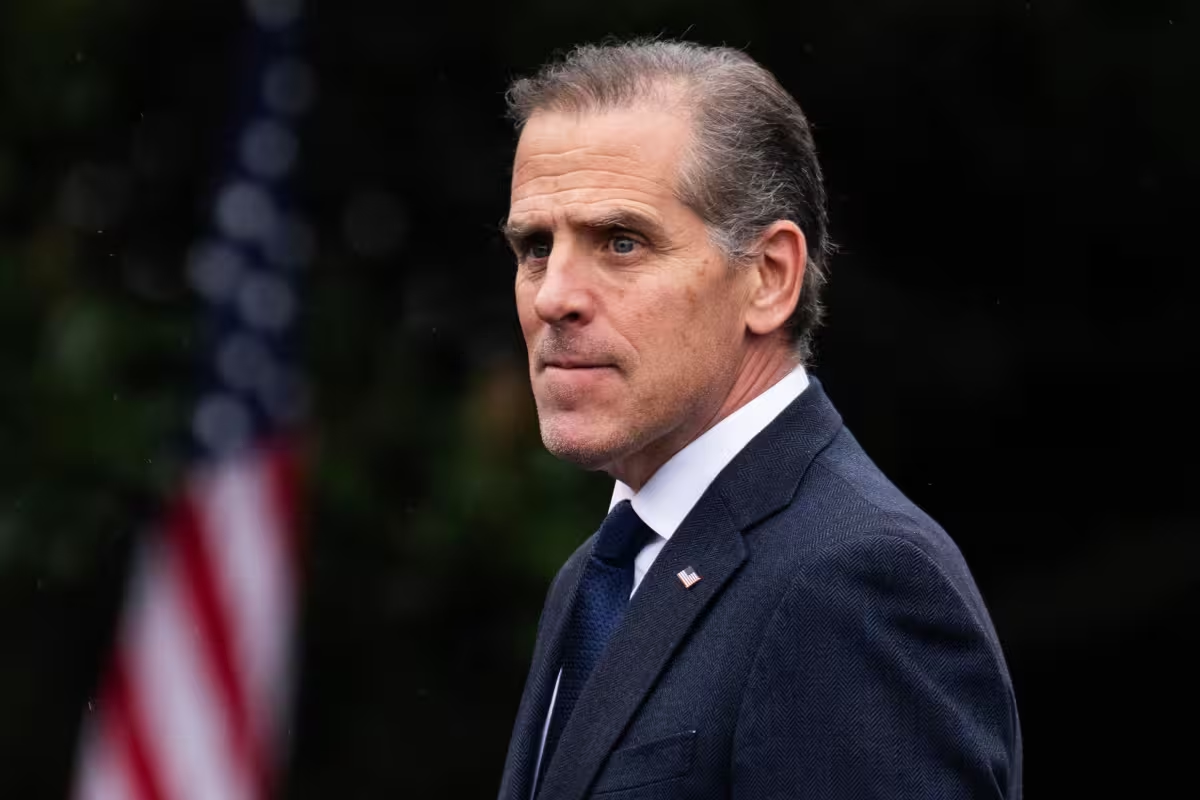

The development puts unusual pressure on the Justice Department’s role in the deal. Todd Blanche announced that, in exchange for dropping the case, the United States was forever barred from auditing the tax returns of Trump family members, and the Justice Department also unveiled a $1.8 billion fund to compensate people who say they were harmed by the federal government. The fund has been widely criticized by lawmakers and some Republicans, who have called it a slush fund and a political liability.
Williams noted that only Blanche signed the provision shielding the Trumps from IRS scrutiny, and she previously questioned whether the lawsuit really involved an actual conflict at all because Trump was effectively both plaintiff and defendant. A bipartisan group of 35 former federal judges urged her to look more closely, saying the purported settlement raised profound questions about the parties’ candor toward the court and manipulation of the judicial system. They argued that Trump used the IRS case to obtain unlawful private benefits for himself and his family, then rushed the settlement to short-circuit oversight.
The reopening leaves the reported settlement and the IRS protection deal under judicial scrutiny that neither side appears to have wanted. Trump’s lawyers now have until 12 June to answer Williams’ questions, and the next step could determine whether the court keeps digging into the deal, or whether the judge decides the record is enough to expose what happened behind it.



