



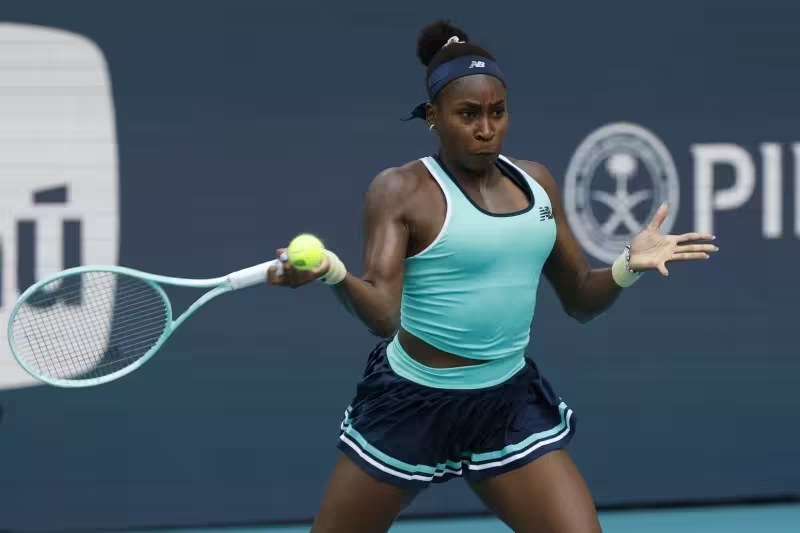
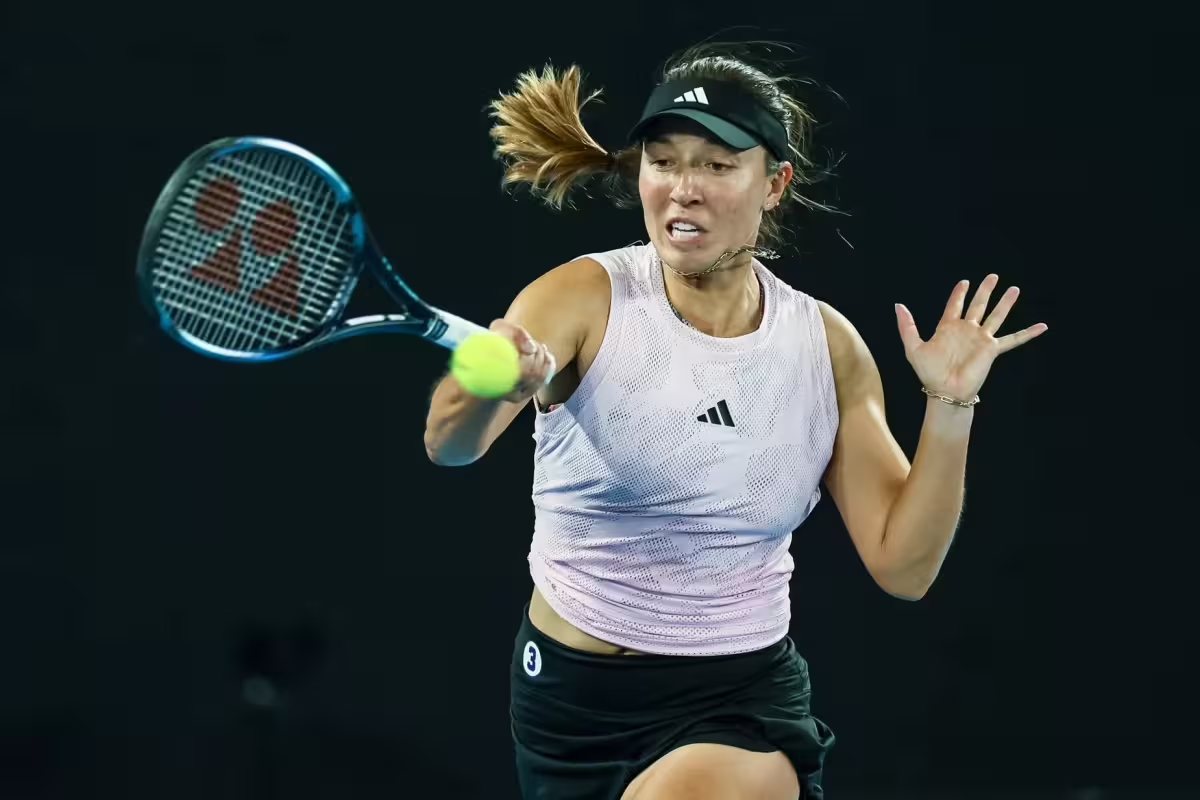
Jessica Pegula begins her grass-court campaign at the WTA Berlin Open on Day 3, stepping onto quick courts a week after a startling early exit at Roland Garros. The World No. 4 arrives in Berlin with recent success on grass — and a result from Paris that no top seed wants on their résumé.
The headline credential is simple: Pegula has won a grass-court title in each of the last two seasons, a run that has made the surface one of her most productive. That two-year streak is the practical reason Berlin matters now; a strong showing here would both reinforce her status among the game’s elite on grass and restore momentum ahead of the main Wimbledon build-up.

Context sharpens the stakes. Pegula was beaten in the first round of the 2026 French Open by Kimberly Birrell, a defeat that left her as the highest-seeded player to fall in round one this year. The loss is already a live subplot in Berlin — one the tournament and broadcasters will reference — because it forces a recalibration of expectations entering the grass swing. For a player who has traded titles on grass over consecutive summers, the clay-court reversal is plain and unavoidable.
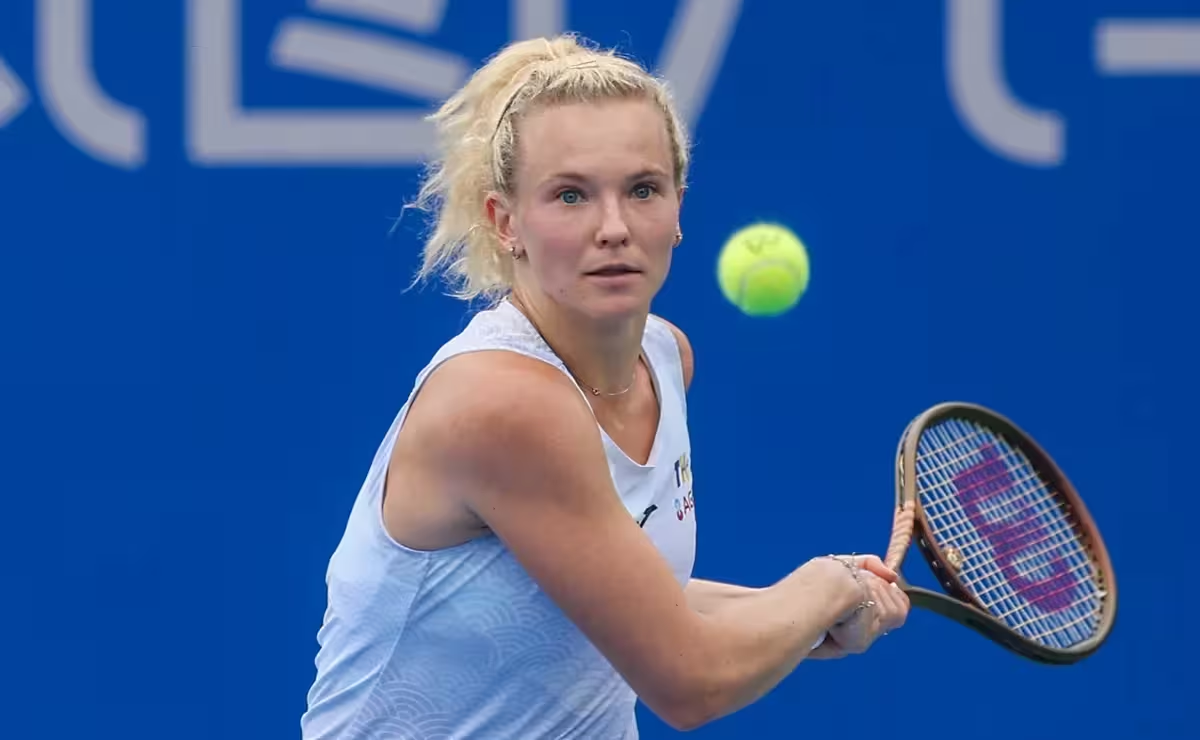
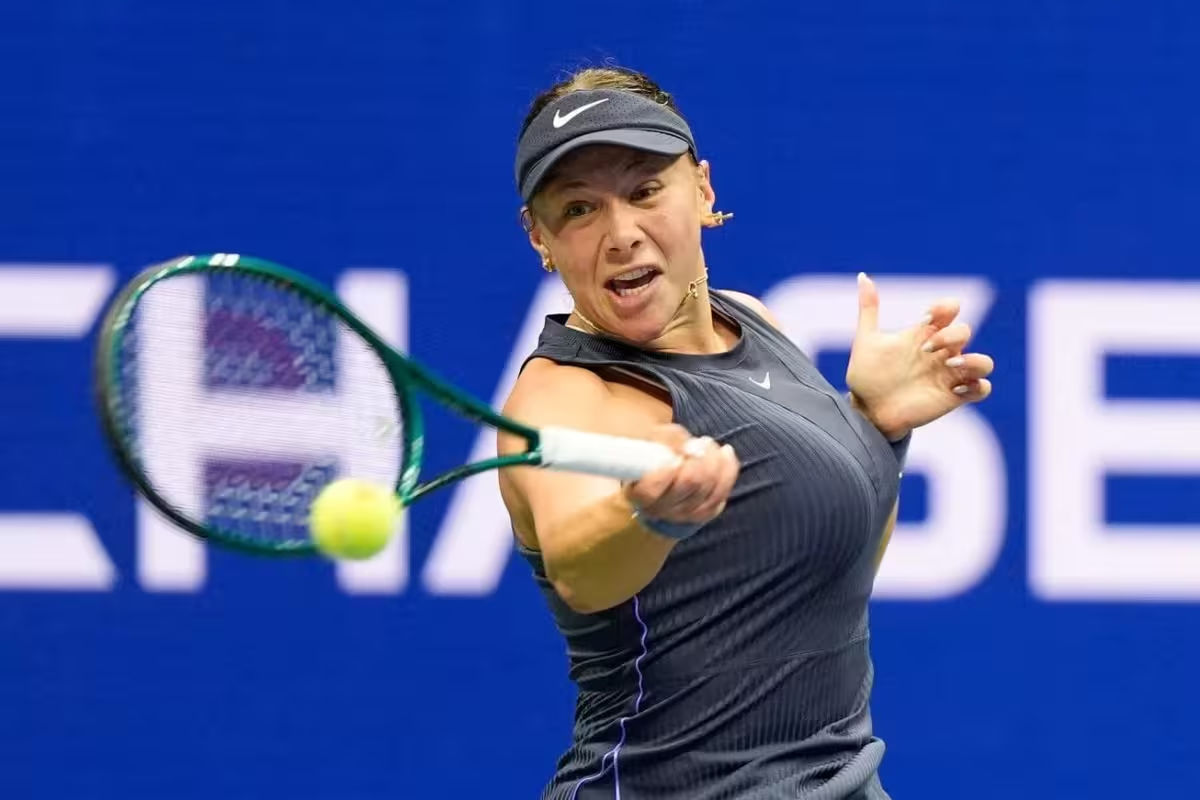
That contradiction creates the clearest matchup to watch: Pegula is expected to face Katerina Siniakova in Berlin, a pairing that frames the immediate question. Pegula enters with the ranking and recent results that make her favorite on paper, and she holds an excellent record against Siniakova, facts that together suggest the American should control the encounter. Still, the French Open loss means she will start the match carrying more external scrutiny than a seeded World No. 4 typically does.
Practical detail for the reader: the first-round meeting with Siniakova is Pegula’s first scheduled test on grass this season and the first opportunity to see whether the two-title pattern on the surface was an outlier or the start of a lasting run. Those watching should focus on the immediate scoreboard: whether Pegula imposes the aggressive patterns that have yielded her grass trophies the last two years, and whether Siniakova can force longer rallies that exploit any lingering rust from clay. Pegula’s excellent head-to-head over Siniakova is relevant, but grass produces quick margins — and Berlin’s early-week courts often reward players who land the first serve and step into the point.
The unresolved question now is not whether Pegula can win a match in Berlin — she should — but whether this week will produce the confidence swing she needs before Wimbledon. If Pegula reproduces the form that delivered back-to-back grass titles, Berlin will be a launching pad; if her Paris defeat proved to be more than a single bad day, her run on Centre Court at Wimbledon will look less certain. Her match against Siniakova will answer which of those two narratives is accurate.
For readers tracking the fallout from Paris, an earlier report on the upset is available here: Kimberly Birrell stuns No. 5 seed Jessica Pegula at Roland Garros. Pegula’s Berlin opener is the first real sign of which direction her grass season will take.



