On June 16 the New York Yankees opened a three-game series against the Chicago White Sox in the Bronx, the first meeting of the season between two clubs leading their divisions.
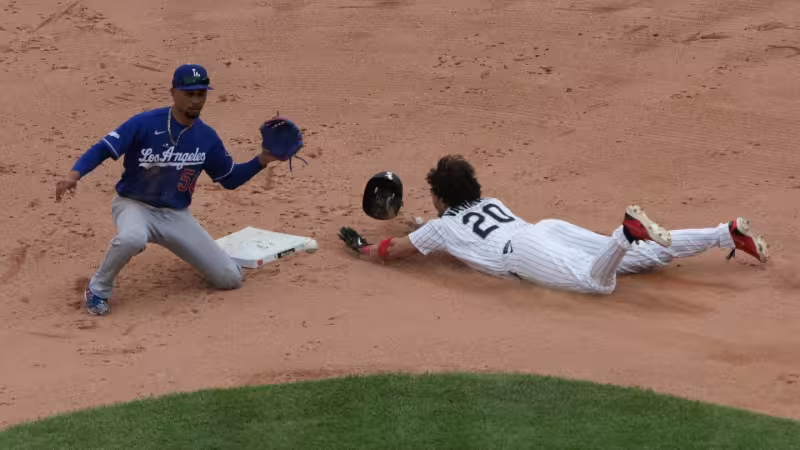
The matchup carried immediate stakes: the Yankees entered at 43-27 as AL East leaders, while the White Sox were 38-32 and atop the AL Central. New York came into the series having won six of seven and taking two of three from Toronto over the weekend; Chicago arrived with four wins in five and two of three against the Dodgers.

New York’s edge is unmistakable in the raw numbers. The Yankees averaged over 5.1 runs per game, led baseball with 102 home runs and paced the American League with 358 runs scored, and the staff posted a 3.32 ERA. Even with a recent 10-game stretch that produced a.240 team batting average and 15 homers, the club’s combination of volume scoring and long ball remains the defining trait of their season.
The White Sox counter with a different profile. Chicago’s lineup carried a.241 batting average and a.325 on-base percentage entering the series, and the club’s power threat includes Miguel Vargas with 16 home runs. Ben Rice brings an established middle-of-the-order presence — batting.293 with 19 homers and 47 RBIs — figures that explain why the White Sox can hang with elite opponents despite being behind New York in aggregate scoring.


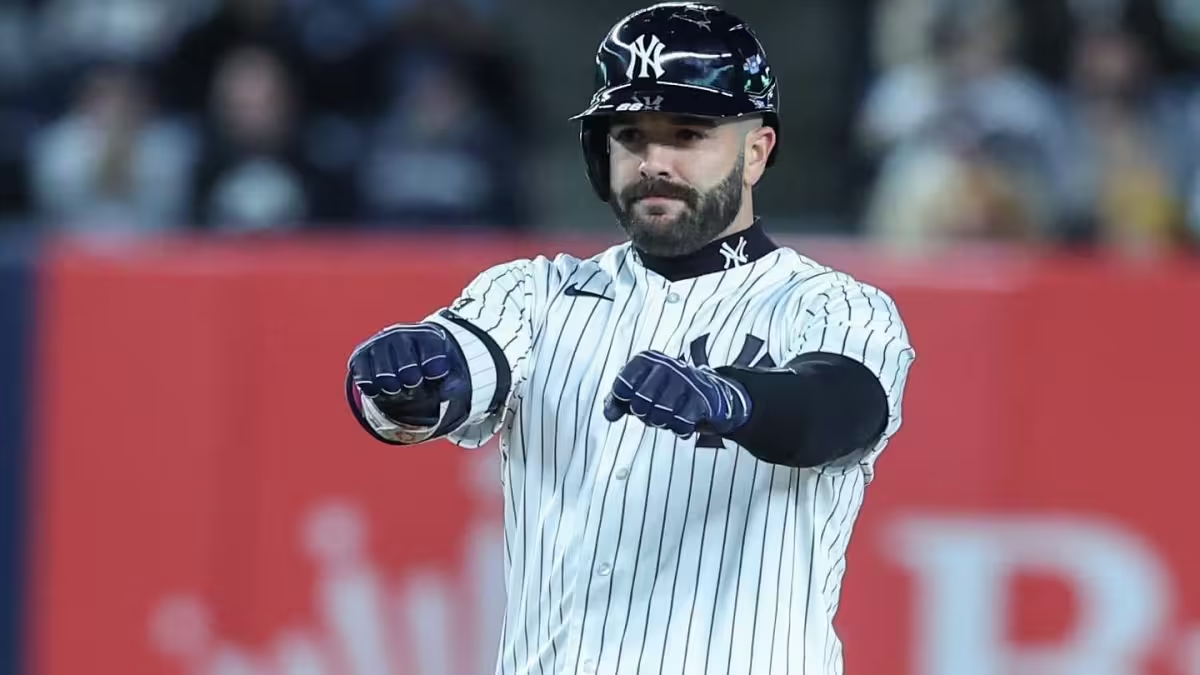
The opener was billed as a duel of elite right-handers, underscoring that the first game would hinge as much on pitching execution as on the Yankees’ headline numbers. Neither club had faced the other earlier in the season, so the first contest offered the only direct comparison available between the two division leaders before the rest of the three-game set.
What to watch when first pitch comes: for New York, sustain the power attack that produced more than 5.1 runs per game and the 102 homers that lead the majors; for Chicago, maximize on-base chances and key hits from Rice and Vargas while riding the momentum of a two-of-three weekend against the Dodgers. The Yankees’ 3.32 ERA makes run prevention part of their identity, but New York’s recent dip in batting average over 10 games injects a wrinkle into the matchup.
The friction is clear: the Yankees are the stronger club on paper, but the White Sox arrive hot after taking two of three from Los Angeles. The series opener will test whether Chicago’s short-term form can blunt New York’s season-long advantages, and how much weight should be given to each sample size.
The immediate story does not end with Wednesday’s first game. Two more games remain in the Bronx, and the balance of this brief series will sharpen the standings picture in both the AL East and AL Central. With the starters for the remaining games and the final results still to come, the series will quickly reveal whether New York’s power or Chicago’s late surge dictates the next swing in the divisional races.