



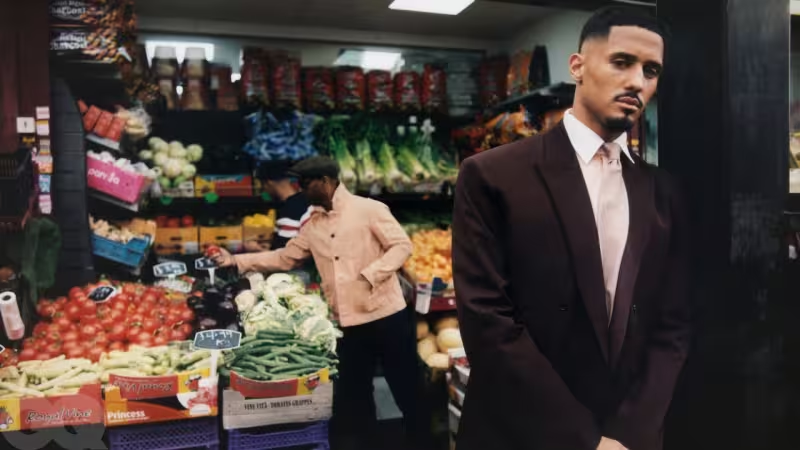
"I believe I am one of the best defenders in the world," William Saliba told British GQ, and then he qualified the sentence the way he prefers: by working. The 25-year-old centre-back, basking in a freshly won English title on 19 May, spent the interview sketching the deliberate path that took him from Bondy to Arsenal’s core and why, for now, he chooses restraint over rhetoric.
Saliba is direct about where words belong in football. "I’m someone who prefers to speak only when there’s something to say," he said, and added a measure of humility that undercuts the claim: "Those who should speak have won titles and achieved great goals. When you haven’t reached them yet, you shouldn’t talk as much; you should work hard first."

Those lines are weighty because they arrive at the moment of confirmation. Saliba officially joined Arsenal in 2019 but "only really started playing for Arsenal's first team in 2022," and he has since become a pillar of their defence. He already has two Community Shield winners' medals — 2020 and 2023 — and the championship his side sealed in May. Still, he insists his best is ahead: he has "not yet reached [his] peak."
The choices behind that rise are plain in Saliba’s own telling. He grew up in the Paris suburb of Bondy and, as a boy, dreamed of being a striker; "God decided I’d be a centre-back," he said. Rather than rush back to London, he spent years on loan in Ligue 1. The loans were not detours but deliberate training: he said he went on a string of loan spells in Ligue 1 to gain experience and toughen himself up for the Premier League.
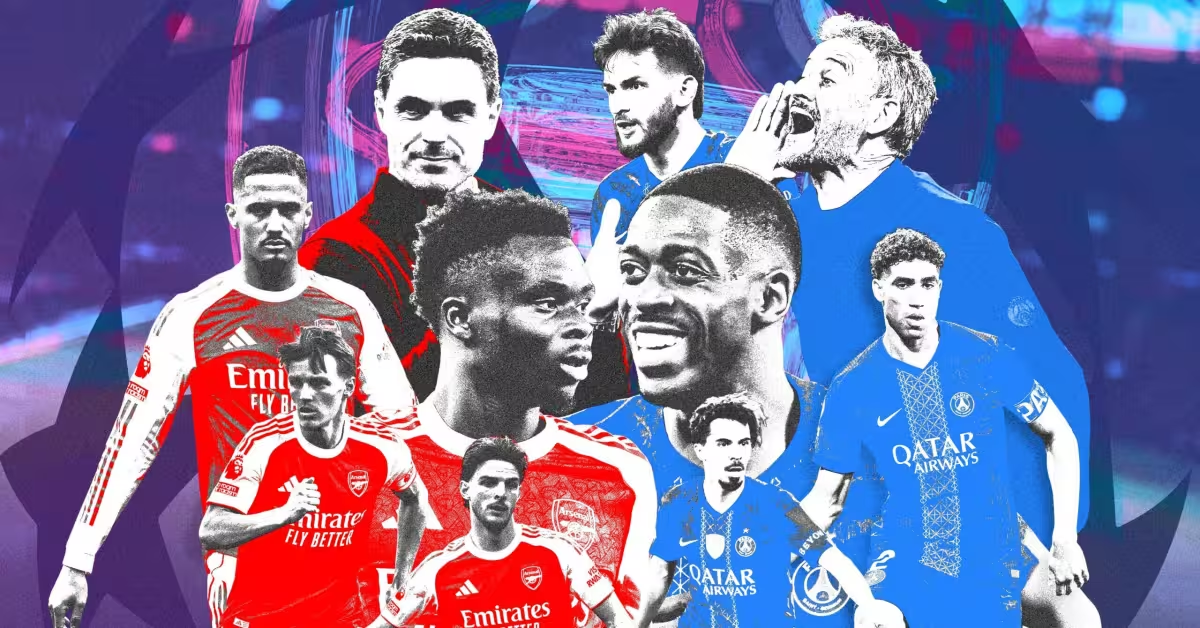
Saliba framed those seasons away from Arsenal as a battle for his place. "I knew I had the qualities and the talent to be a top-class player, so I fought to get back to Arsenal and show that my place was there," he said. The fight, the medals and the manager’s demand all formed the same argument: to be feared at the front of the defence. Mikel Arteta said — to a French newspaper in 2024 — he wanted "players to be afraid when they see [him]," a line that encapsulates the role Saliba has been built to play.
There is a tension in his tone. Saliba claims the elite standing — "I believe I am one of the best defenders in the world" — while insisting he remains unfinished. The friction is obvious: belief in current status versus the admission of an incomplete CV. He has the individual authority to make the claim; he lacks, by his own measure, the big-team silverware that would make such statements indisputable.
That gap matters because of timing. The interview came after Arsenal’s title clinch on 19 May and as the club and Saliba looked toward Europe: a potential Champions League final against PSG stood between him and the kind of trophy he says is required before one speaks too loudly. A defender’s reputation is shaped not only by calm on the ball but by winning the matches and nights that define careers.
Saliba’s method is consistent: let performance supply the argument. He warns against premature boasting, elevating winners as the ones entitled to shout. Yet by saying he already ranks among the best, he has also put a public stake in the outcomes he lacks. The next tests are obvious and uncompromising — Champions League nights and the major trophies he declined to claim before earning them.
If Saliba’s logic is sound, the coming fixtures will convert words into record or leave them hanging. He has given himself a measuring stick: keep quiet, keep improving, and let the biggest stages do the talking. The only question left from his interview is not whether he can score a clean pass or read the game — it is whether he can turn a confident personal verdict into the permanent proof of silverware on football’s highest nights.



