



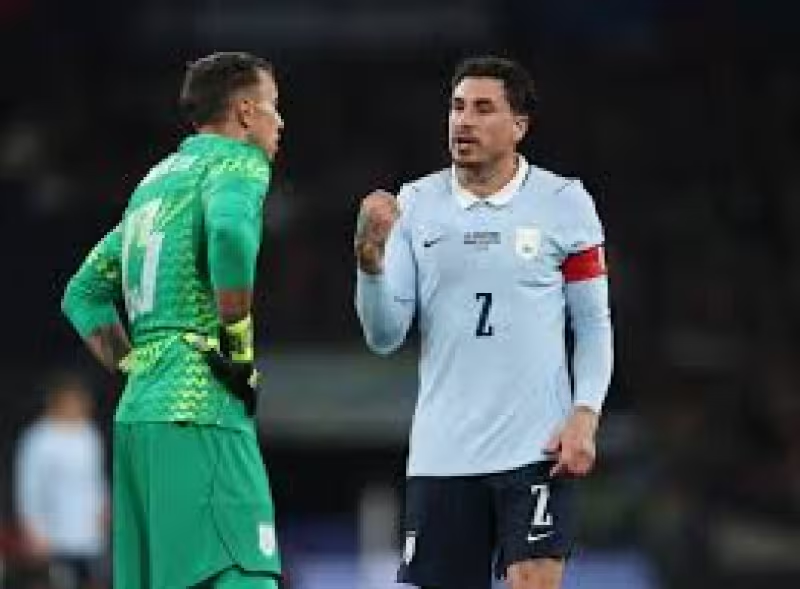
Marcelo Bielsa told reporters he feels responsible for Ronald Araujo’s injury after the defender’s minor problem worsened and he was sent back to Barcelona for treatment on the eve of Uruguay’s World Cup 2026 opener.
Bielsa said Araujo arrived in camp with what he described as a non‑serious muscle issue that deteriorated into a muscle tear, despite no serious muscle problems during the last six months at Barcelona. The development forced Araujo’s departure from the squad and prompted sharp reaction at home — including a public complaint from Araujo’s brother aimed at Uruguay’s handling of the case.

Explaining the decision, Bielsa said Araujo came with a muscle problem “which wasn’t serious,” and that the tearing injury was the cause for concern once the defender trained with the national group. He added that Araujo has worked with a close circle of advisers and staff and that no steps were taken without consensus among the player and the group he trusts.
Still, the situation has been frictional: Barcelona were reported unhappy with how the matter was managed, even as Bielsa insisted the Uruguayan staff sought agreement with Araujo and his camp before making any calls. Bielsa framed the episode as collective responsibility, saying the coaching staff and federation feel accountable for the outcome but that, given the information available, “we couldn’t have done anything differently.”
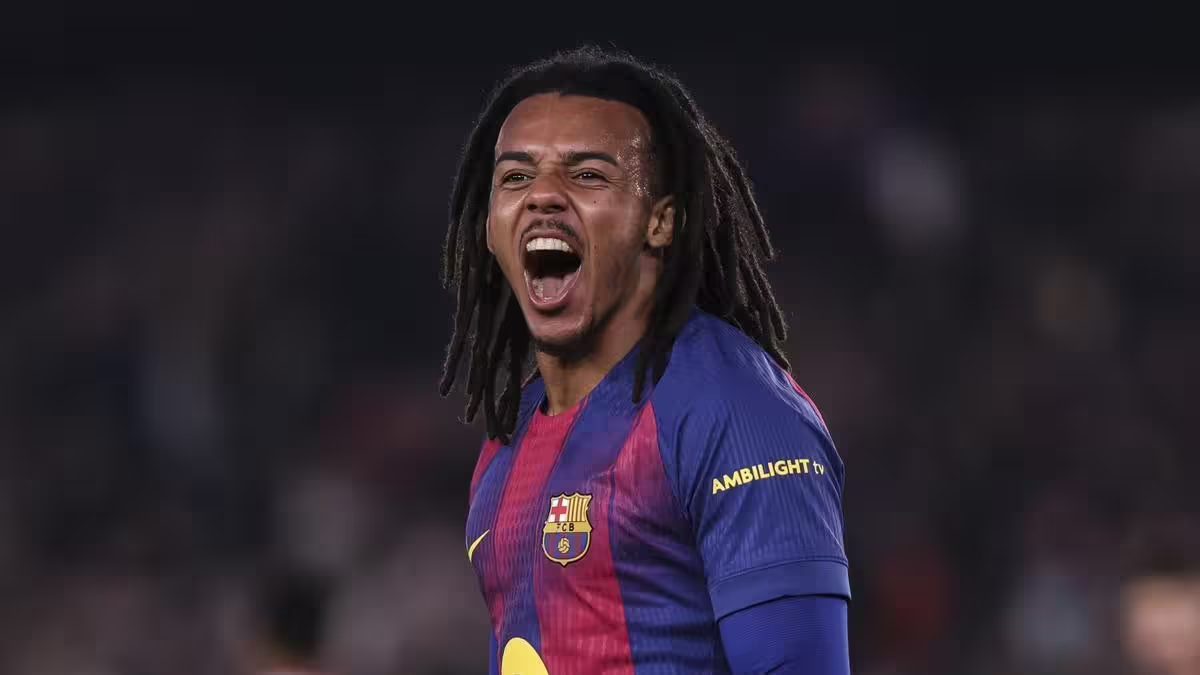
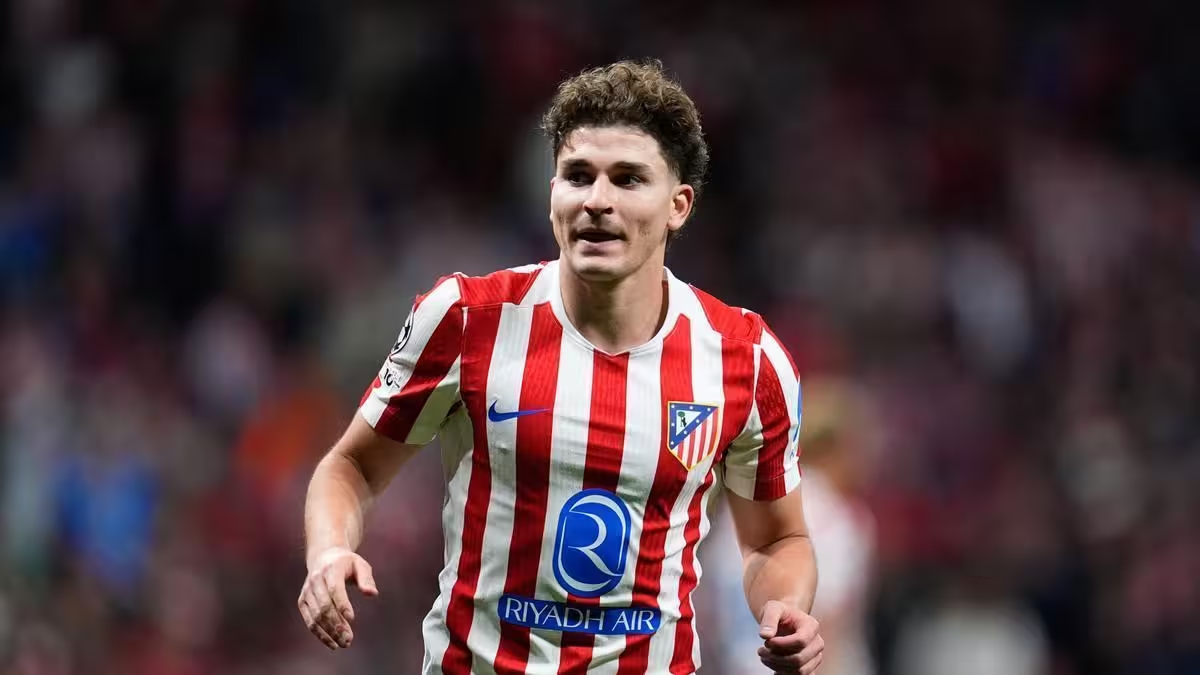
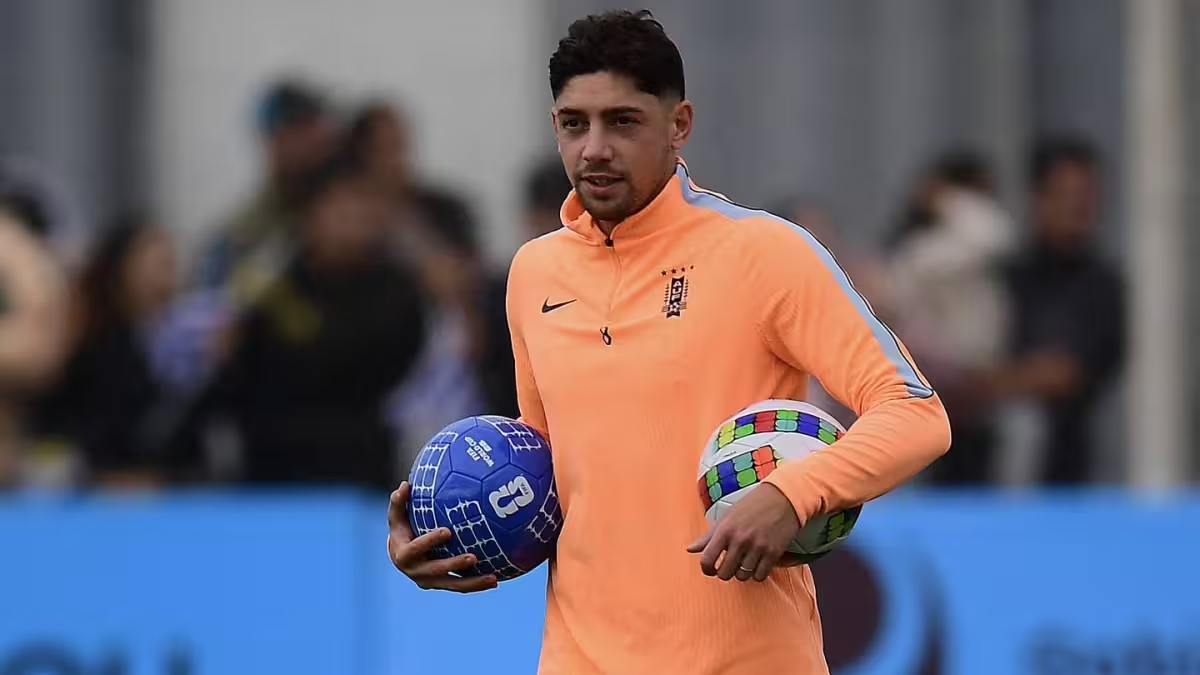
Araujo’s sudden return to Barcelona leaves Uruguay without one of their leading central defenders at a moment when the squad was preparing to kick off their World Cup against Saudi Arabia later the same day. The loss is immediate and practical — it reshuffles defensive options for a match that arrives with no margin for error — and symbolic, because it exposed tensions between club and country over player welfare on the tournament brink.
The facts Bielsa stressed are straightforward: in the six months before travelling to the World Cup he had seen no serious muscle trouble at Barcelona; Araujo arrived in Qatar carrying a small problem that then worsened; and the worsening required the player to return to his club for treatment. But that sequence has not ended debate. Araujo’s brother publicly criticised Uruguay, while Barcelona’s displeasure over handling was reported, leaving an awkward triangle of player, national coaches and club.
For Bielsa, the moment was personal. He accepted responsibility for what happened and highlighted the safeguards Uruguay used — the player’s trusted advisers, consensus on decisions — even as he acknowledged that the outcome is what matters most: a key defender flown home when the tournament is starting. The manager’s admission is rare for a coach in World Cup week and underlines how badly the episode has landed with the squad.
The immediate next act is fixed: Uruguay face Saudi Arabia later today. The sharper unresolved question, however, is whether Araujo’s trip back to Barcelona will end his World Cup before it begins or whether treatment there will be rapid enough to return him to contention for matches beyond the opener.



