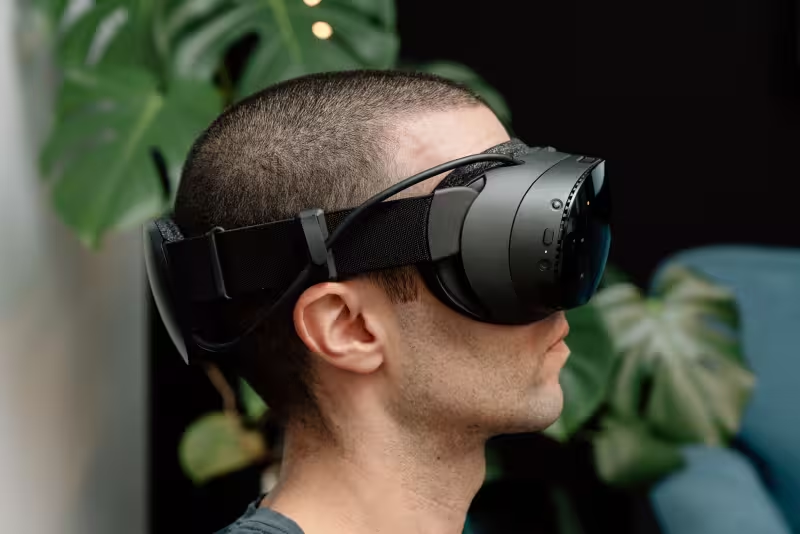
Valve pushed a SteamOS 3.8.9 Beta — the Second Clutch update — over the weekend and included what it described as initial support for upcoming Steam Machine hardware, a move that tightens the company’s timeline for new consoles.
The change is narrow on detail: the beta mentions support for the Steam Machine but does not explain what that support entails. Still, this explicit reference in SteamOS, together with a new Steam Controller last month and preparations for the Steam Frame VR headset, makes the Steam Machine feel less like an idea and more like a product in the final staging area.

That staging has been messy. The Steam Frame was delayed earlier in the year because component prices rose, with RAM singled out as a particular pressure point, and Valve has not given an official release date for the headset. A few days before the SteamOS beta, Brad Lynch reported that the first imports of the Steam Frame had arrived at Valve’s warehouses in the United States — a logistics signal that hardware is moving, even if the company still holds back specifics.
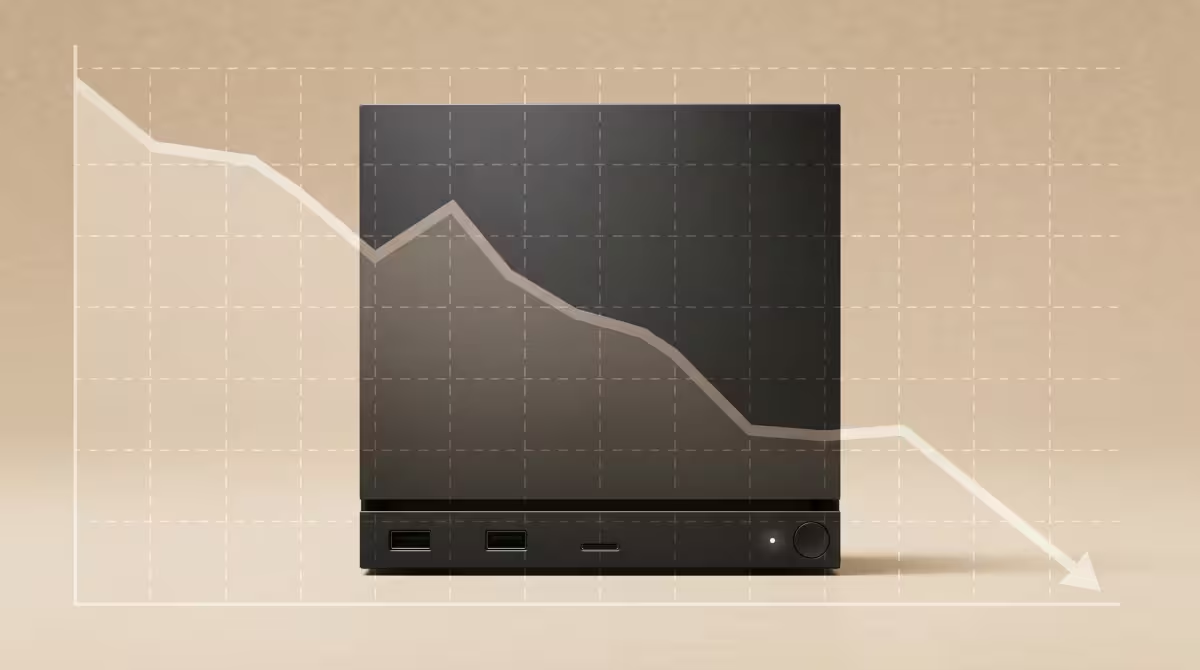
Financially, the backdrop is clear and immediate: in March the internal price for the Steam Machine topped the current $949 Steam Deck OLED price, and Valve has already increased the Steam Deck’s retail price. Console makers across the industry have been adjusting prices this cycle — Sony, Microsoft and Nintendo all moved theirs upward — so cost pressure is industrywide, not just internal to Valve.
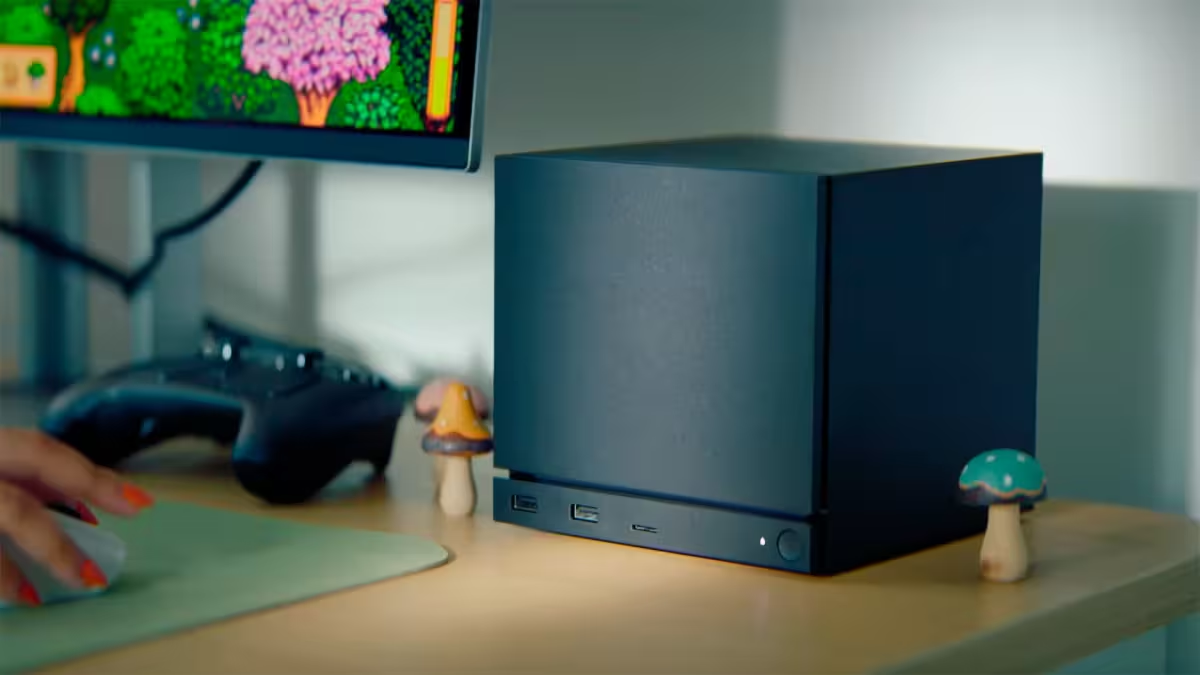
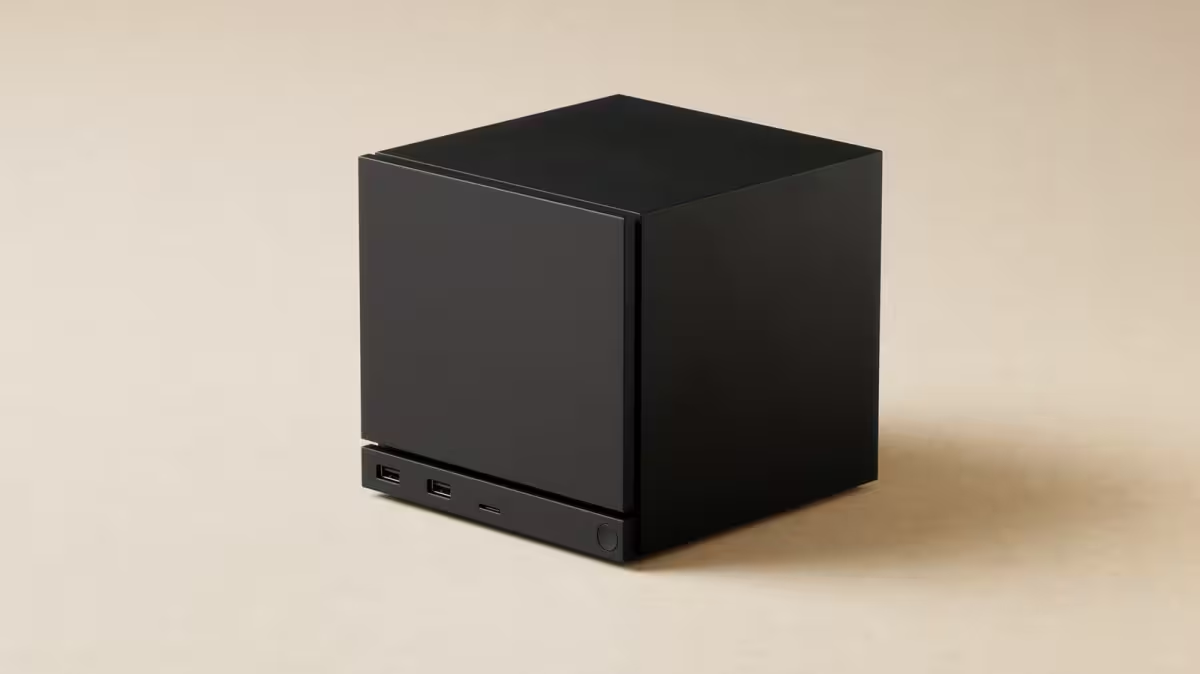
Why the SteamOS beta matters today is a question of timing. The primary reporting on this cycle says the Steam Machine could be only a few weeks away; a SteamOS update that names the hardware is the kind of preparatory step companies take when they expect software and hardware to converge soon. Developers and retailers pay attention to those cues because firmware and OS support must land before shipments and storefronts are finalized.
What Valve actually added is still opaque. The 3.8.9 beta notes initial Steam Machine support but offers no list of compatible models, no driver details and no explanation of what features are enabled. For would‑be buyers and developers that leaves two practical uncertainties: which Steam Machines will be supported at launch, and whether any required updates will arrive before consumer units ship.
The most consequential gap, though, is price. Valve has not announced what it will charge for the Steam Machine, and that silence matters because the internal pricing shown in March already put the Steam Machine above a $949 baseline. With RAM and other component costs cited as drivers of earlier delays, the Steam Machine’s final retail tag will determine whether it is a niche high‑end box or something that can compete on volume.
For anyone tracking Valve’s hardware rollout — or deciding whether to buy a Steam Deck now or wait — the next signals to watch are obvious: a public launch date, a confirmed retail price, and subsequent SteamOS beta notes that flesh out which hardware the update supports. FilmoGaz has been tracking the calendar; see the Steam Machine release window story and the developer launch window analysis for more on timing and what it means for creators and sellers.
Until Valve sets a price and publishes fuller hardware support notes, the Steam Machine remains tethered to two facts: the company is actively preparing for a launch, and it is choosing to keep the most purchase‑determining detail — the price — off the table. That omission will shape how many buyers actually move from interest to pre‑order once Valve finishes the reveal.