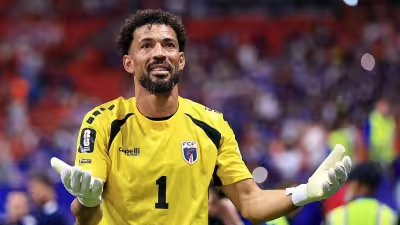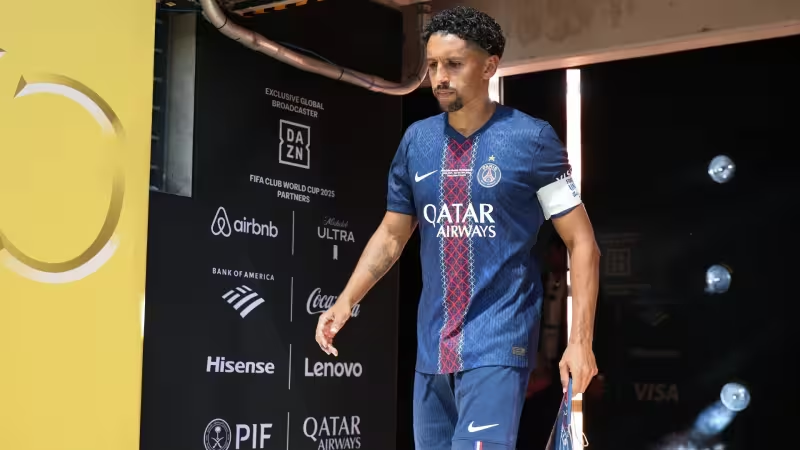
When Marquinhos speaks about the 2025 UEFA Champions League victory, he returns to the same image: pride and a bond that will outlast a single season. He says the triumph created an everlasting connection between the club and its supporters and that the win carried meaning for the players who came before him. That stance — captain, conqueror, custodian of a legacy — is the reason Brazil is turning to him now as it prepares for the 2026 World Cup.
Marquinhos has the résumé to back the billing. The centre-back has passed 100 international appearances, sitting at roughly 105 caps for Brazil, and he has been the defensive linchpin for PSG for more than a decade. He became PSG's all-time appearance leader, captained the side to its first UEFA Champions League title in 2025, and in that same season earned his third nod to the Champions League Team of the Season and a sixth selection in Ligue 1's Best XI.

Those figures matter because Brazil arrives at this World Cup cycle asking for steadiness. The national team endured a challenging qualification phase and the public conversation quickly settled on experience as the salve. Marquinhos, among the most capped and most consistently selected leaders in the squad, is the obvious candidate to supply it; his tactical read, calm under pressure and years of club-level leadership are why selectors and fans alike point to him as a pivot.
Yet the friction is immediate and practical: a single defender — even one who reads the game as well as Marquinhos — cannot paper over systemic problems exposed during the qualifiers. Brazil still needs more than composure at the back. It needs coherence across the spine of the team, better link-up between midfield and attack and a game plan that converts the raw talent in front into consistent results. That reality complicates the narrative in which one veteran restores balance by sheer presence.
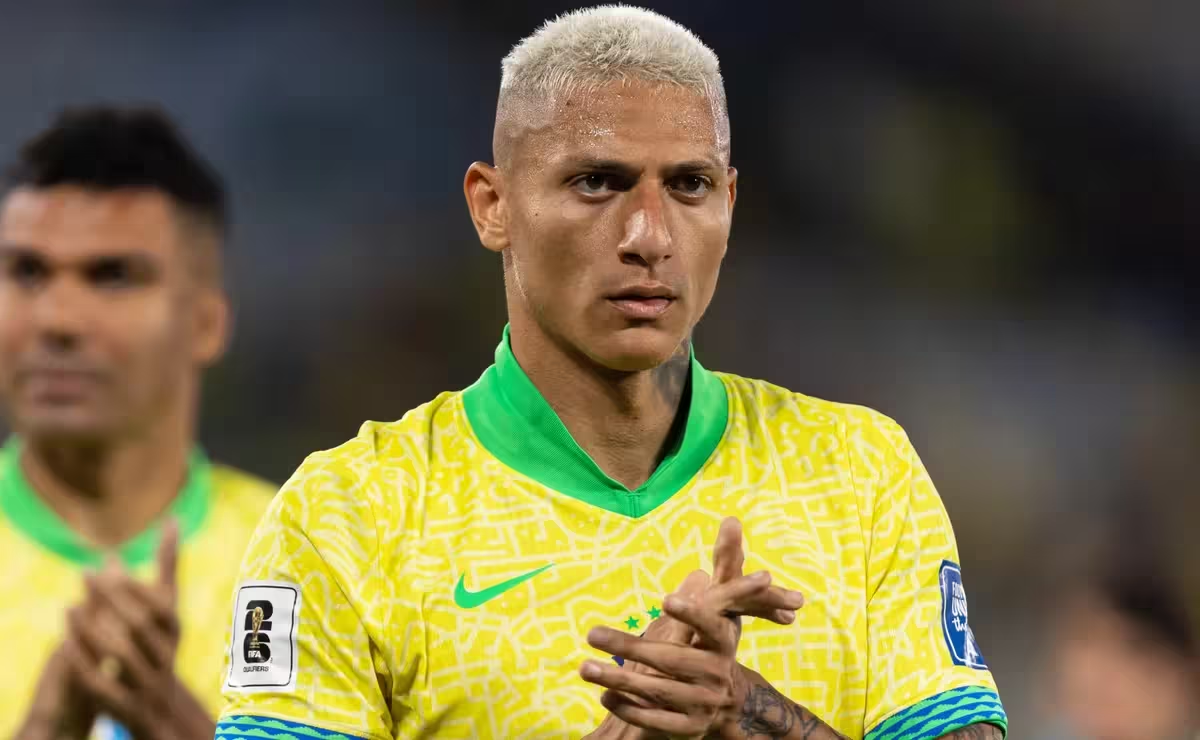
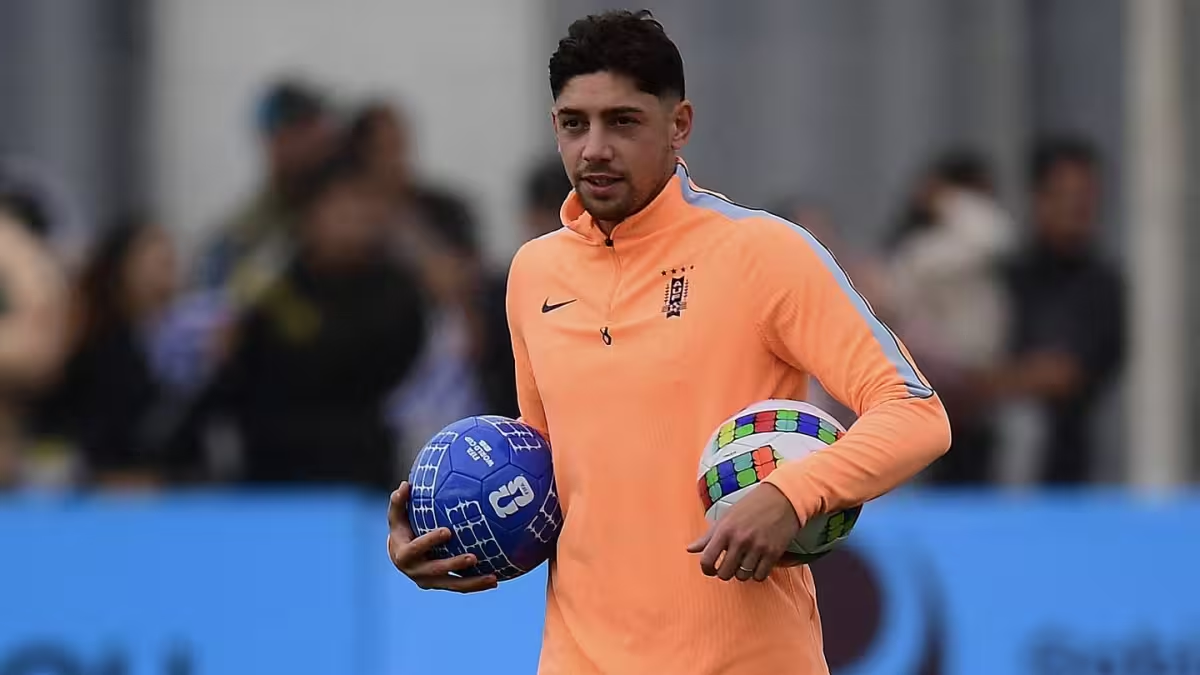
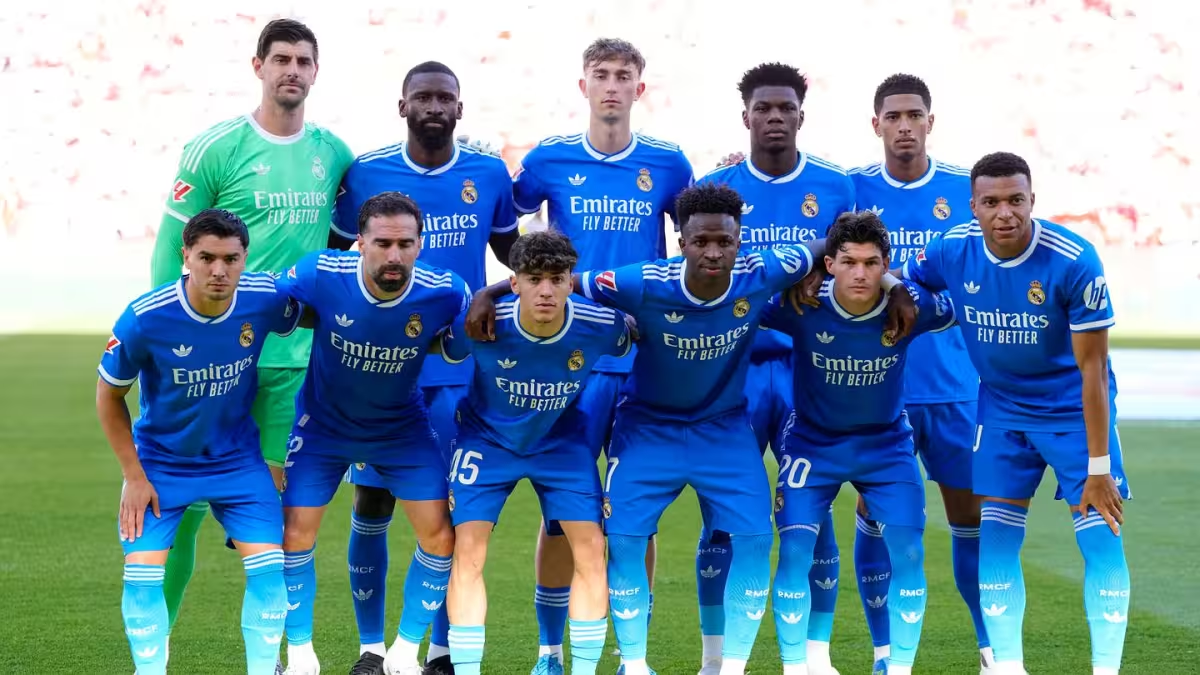
Brazil's attack, though, gives reason for guarded optimism. Vinicius Junior remains a world-class outlet; Rafinha and Esteva Willian are listed among the standout forwards expected to carry weight in 2026. Coach Carlo Ancelotti is expected to manage the squad, and the pairing of a steady defensive core with high-end attackers is the blueprint Brazil will try to make work. Whether it does will depend on more than Marquinhos's leadership; it will hinge on tactical clarity and the forwards' ability to finish under tournament pressure.
Marquinhos himself has framed the World Cup as an opportunity beyond footballing glory. He has spoken about being excited to play in North America, noting the strong passion for sports in the U.S. and suggesting the tournament could deliver a positive impact for the country and the athletes involved. That line of thinking shifts his role from locker-room captain to ambassador — a player whose presence is meant to steady teammates and represent the national project on a continental stage.
His story is also one of steady progression. A product of Corinthians who moved from Roma to PSG in 2013, Marquinhos has been shaped by those club experiences into a defender noted for his reading of the game and tactical discipline. Those are precisely the attributes Brazil will need to shore up the backline that showed cracks during qualification.
Still, the question left hanging after Marquinhos's recent statements is a practical one: can his experience and leadership, combined with Brazil's attacking talent, convert a messy qualifying campaign into a World Cup-winning run? The answer will depend on whether the squad can turn individual quality into collective performance — a task that begins with training camps and tactical decisions but will be judged only on the tournament pitch.