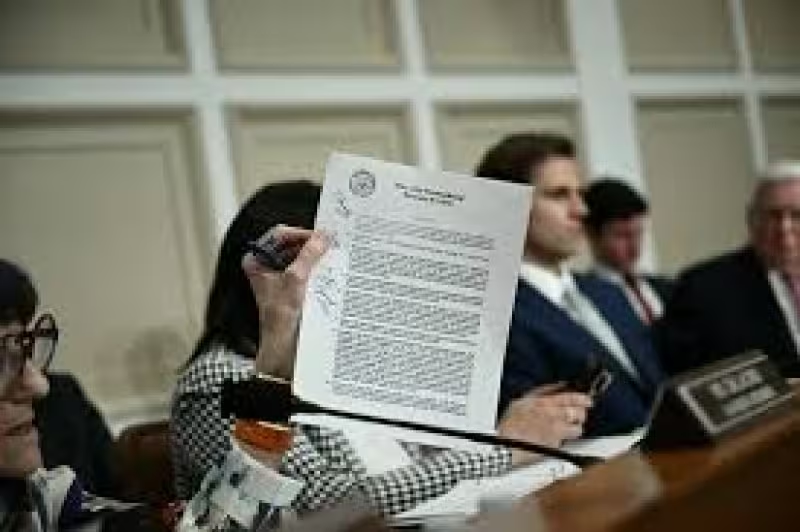
Trump’s Justice Department settled the president’s own lawsuit by creating a $1.8 billion fund and barring the Internal Revenue Service from continuing audits of Trump, his family and their affiliates, a deal that put the government on both sides of the same case. The agreement, disclosed last week by Todd Blanche, also means Trump can no longer face audits of his past tax returns under the settlement.
Blanche, who served as Trump’s personal lawyer before joining the administration, told Congress he was abandoning plans to establish the fund to compensate people who claimed they had been unfairly prosecuted by the government. He framed the shift as a retreat from the payout plan, but the audit restriction remained part of the broader settlement tied to Trump’s lawsuit.

The fund had been designed to cover Trump’s political allies, and under the administration’s original plan it could have included people convicted of violence during the January 6 Capitol riot that Trump incited. The IRS restriction, by contrast, goes directly to Trump himself: the immunity from ongoing audits could be worth more than $100 million, and he had been facing at least one tax investigation dating back to 2010.
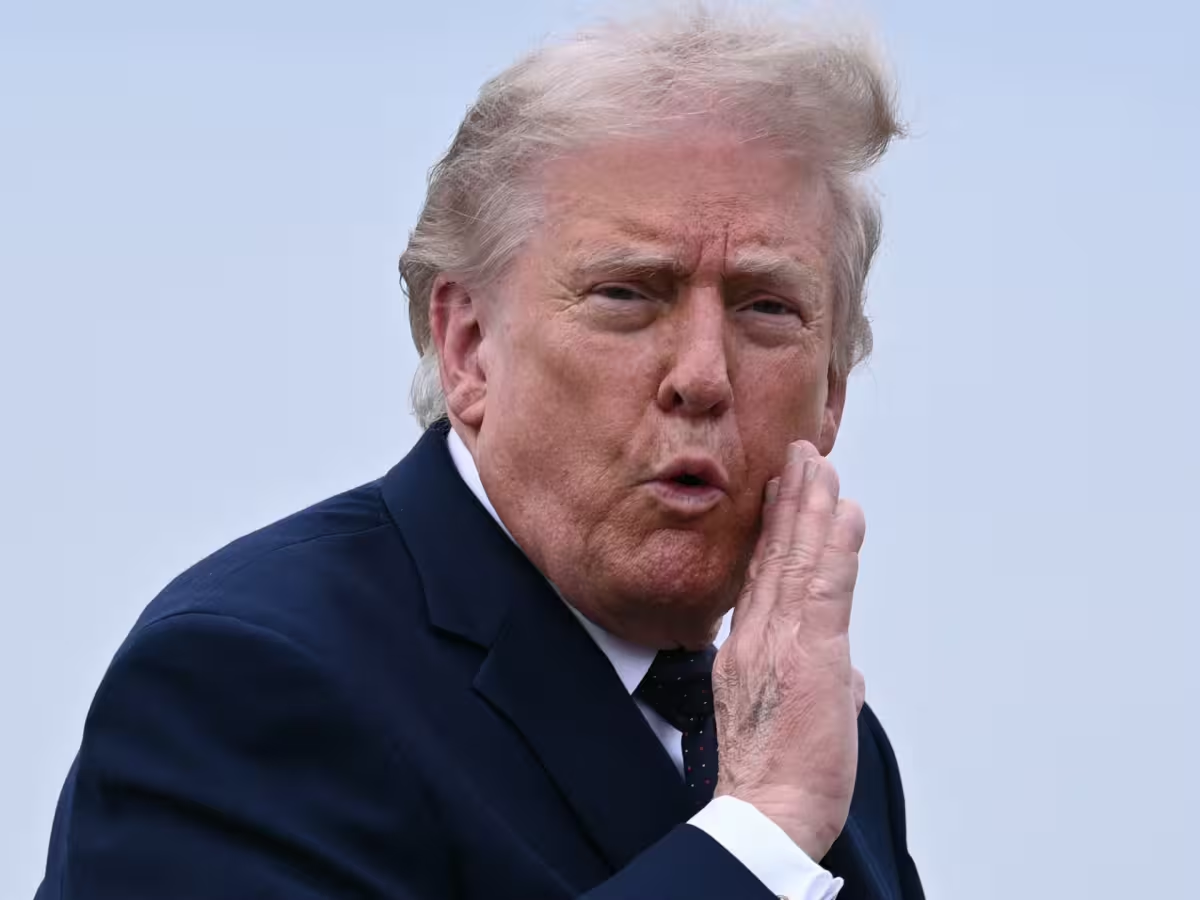
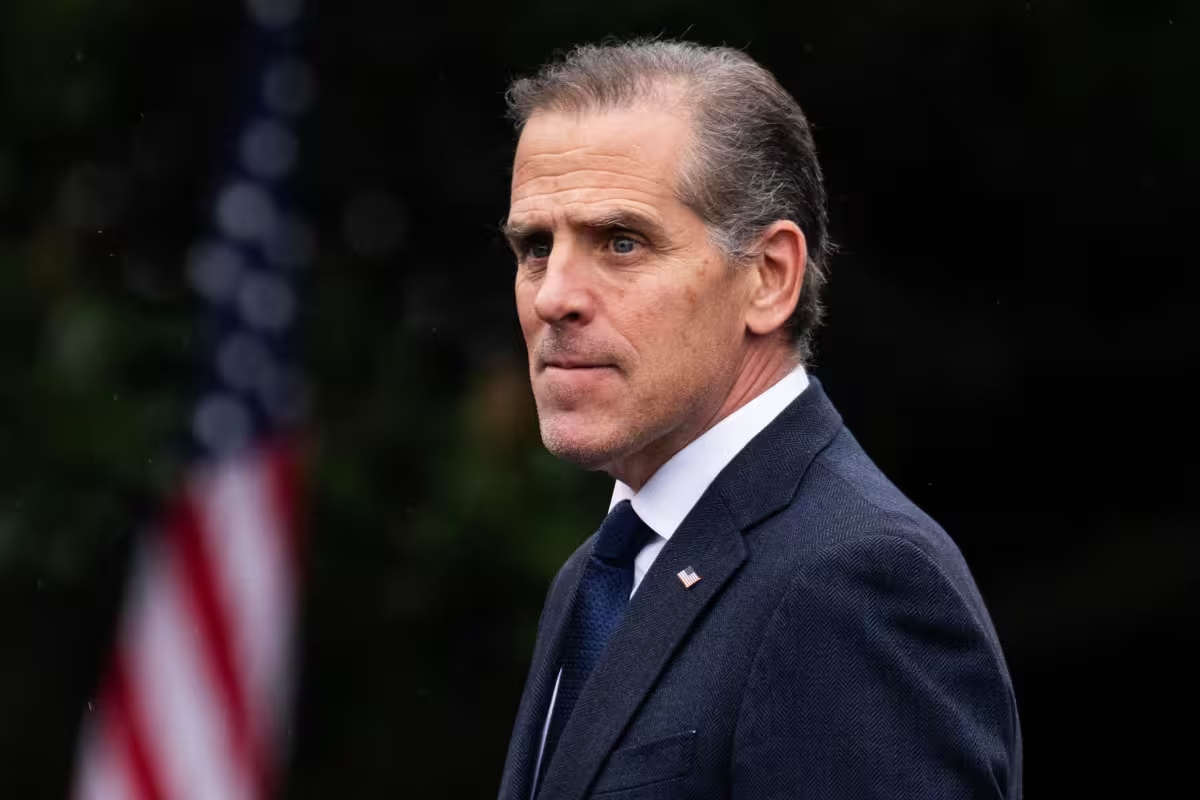
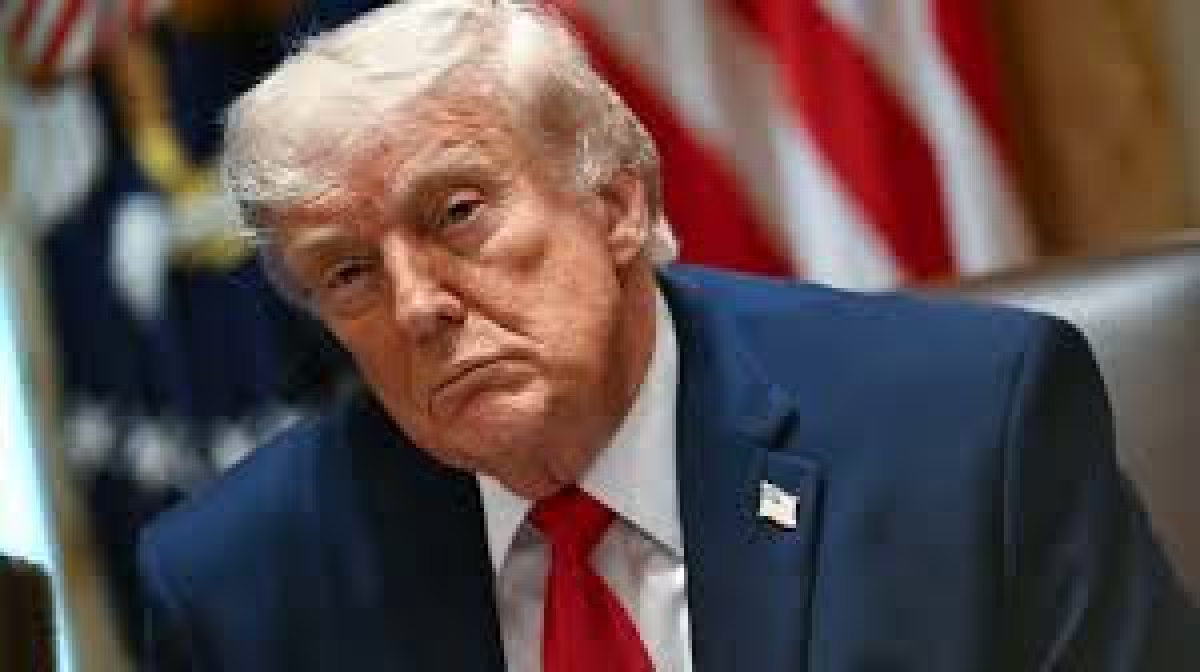
Trump sued the U.S. government in January for $10 billion over the unauthorized release of his tax returns by a federal contractor who worked for the IRS. That contractor was later prosecuted and sentenced to five years in prison during Joe Biden’s administration, making the case the first time a U.S. president had sued the government he leads.
The settlement sits uneasily beside the laws Congress passed after Watergate and strengthened in the 1990s, which bar presidents, vice-presidents and their aides from directing or interfering with IRS audits and can expose tax officials to prison if they carry out or end an investigation at the White House’s request. What Blanche actually had the authority to do as acting attorney general is still unclear, and that question is now the one that matters most: whether the audit ban can survive if a future Justice Department or the courts decide to test it.