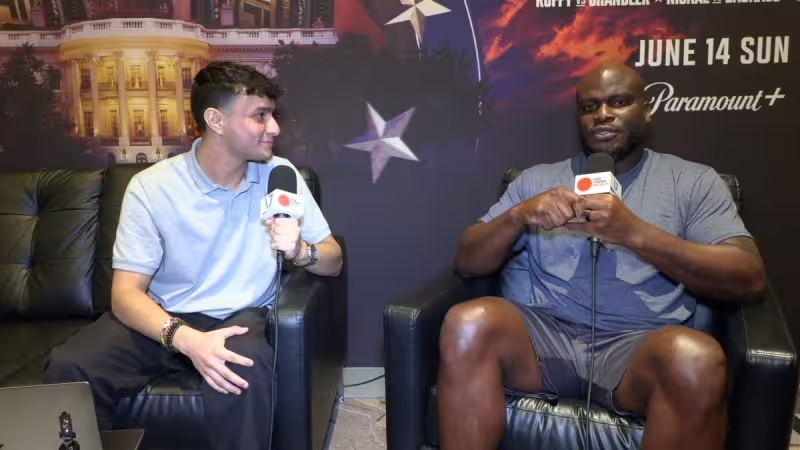
Derrick Lewis was a late addition to the UFC Freedom 250 card on the South Lawn of the White House after President Donald Trump publicly queried UFC president Dana White about Lewis’s absence, and Lewis agreed immediately when White called to offer the spot. The bout between Lewis and Josh Hokit is scheduled for Sunday.
White said the president asked him, roughly an hour before the decision, why Lewis wasn’t on the card; White told the president he would take a minute and then phoned Lewis. Lewis accepted the call and the invitation without hesitation. Lewis enters the event as the UFC’s career knockout leader with 16 stoppages.

The White House show was set after the April exchange in Miami, where Trump raised Lewis by name. Lewis had been left off the initial Freedom 250 lineup, and the late substitution recast the card around a heavyweight matchup that carries more than a ceremonial headline: it puts the promotion’s most prolific finisher into the one-off South Lawn showcase.
Opposite Lewis is Josh Hokit, who comes into the matchup 9-0 overall and 3-0 under the UFC banner. Hokit’s path to the White House bout was compressed. He absorbed 214 strikes, including 174 significant strikes, in his most recent heavyweight outing against Curtis Blaydes at UFC 327, went through post-fight medical care, and had only 64 days to recover before accepting the Lewis assignment.
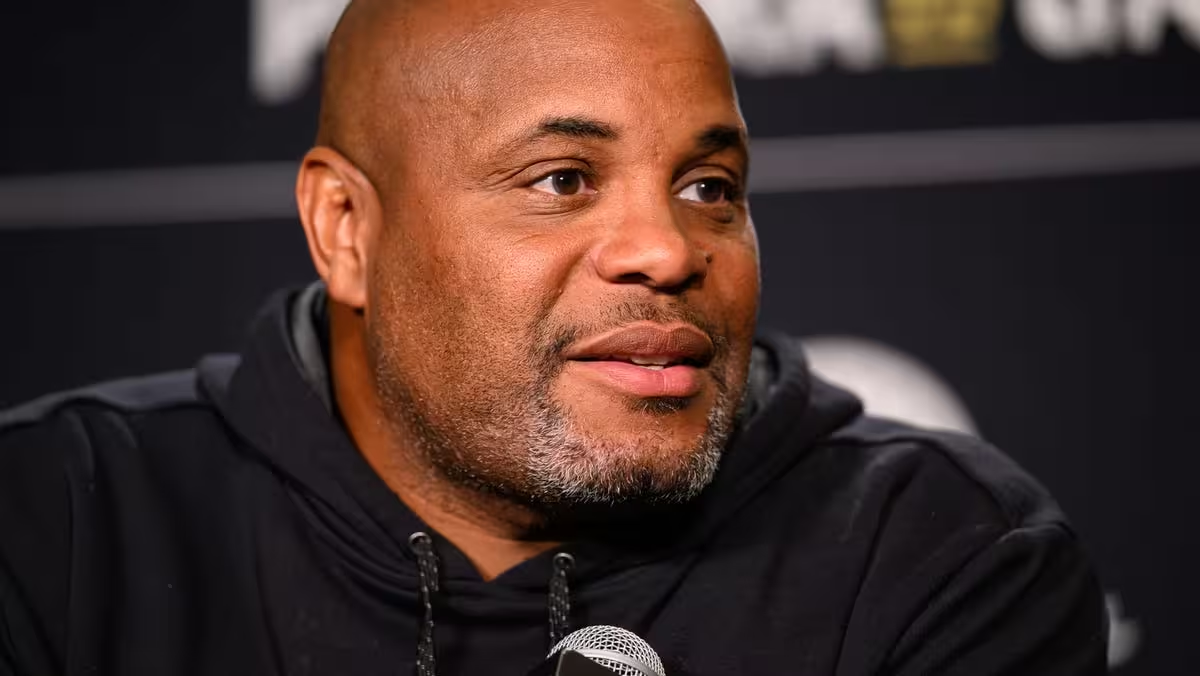
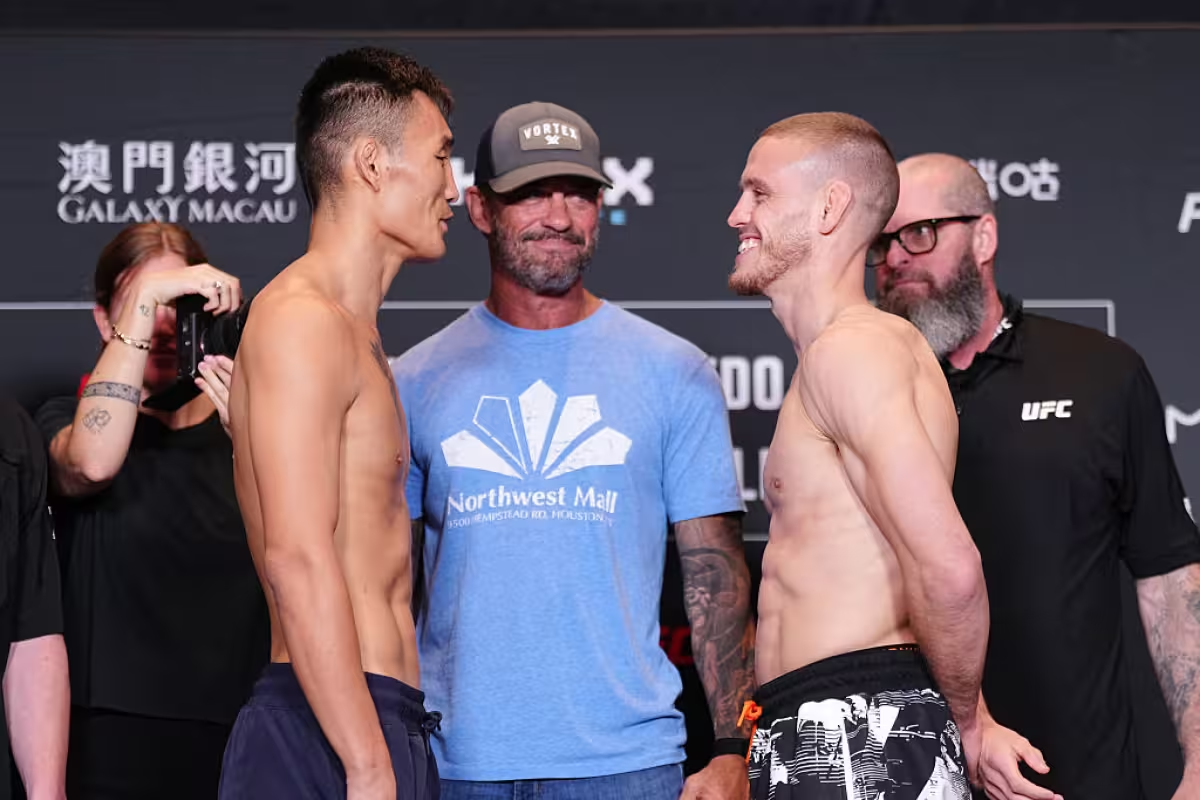
Lewis himself has publicly questioned whether that quick turnaround benefits Hokit. He said Friday that, despite a fighter’s willingness, bodies and brains need time off and that Hokit was likely making a mistake by returning so soon. Lewis noted he understood the need for real recovery because he took time to heal after his own setback.
That setback came on Jan. 24, 2026, when Lewis lost to Waldo Cortes-Acosta; Lewis has attributed the defeat to a back injury that hampered his movement and said he had pushed close to 300 pounds preparing for the bout. He insists the injury, not a decline in power, was the reason for the loss and that he spent the intervening months rehabbing and regrouping.
The matchup raises a straightforward question for viewers on Sunday: which short-term variable will matter most — Lewis’s recovery and preparation after the January loss, or Hokit’s tolerance for a compressed recovery window after a heavy, strike-filled fight? Lewis offers a blunt read on Hokit’s readiness, but the bout is one of the clearest tests of whether an undefeated record and a fast turnaround can withstand a puncher with the promotion’s top knockout total.
Practical stakes are simple. The event is a single, highly visible showcase on the South Lawn and Lewis’s presence answers the precise reason he was added: the president asked why he was missing. What remains unresolved — and what will decide how the result reverberates — is whether Hokit’s 64-day recuperation after taking 214 strikes will blunt him enough to hand Lewis another finish, or whether Hokit’s youth and recent run extend under the strain of an accelerated schedule.