A Bleacher Nation piece titled "Shelton vs. Giron Prediction at the Boss Open – Thursday, June 11" contains no mention of Jiri Lehecka; instead, the visible text runs into unrelated Cubs baseball commentary. That mismatch is the story: a tennis preview headline that delivers no verifiable Lehecka information.
The byline metadata links the item to a June 11 timing and notes a partnership with DataSkrive, but the body shown provides no facts, quotes, or even passing reference to Lehecka. Readers looking for Lehecka coverage on that Boss Open date will find the headline promises unfulfilled.

Why this matters today: headlines and search snippets act as promises. On Thursday, June 11, a headline that lists a Boss Open matchup primes tennis followers to expect tournament previews, draw notes or player context. When a named player such as Jiri Lehecka is absent from the text, the mismatch undermines reader trust and obscures who should be credited for the error.
The numerical anchor is simple and verifiable — the title contains the date Thursday, June 11, and the piece carries the Bleacher Nation label alongside DataSkrive. Those are the facts that establish timing and provenance; everything else in the visible copy departs from the tennis topic implied by the headline.
Context: automated content workflows and rapid updates are common in sports publishing. Partnerships with analytics or data firms often speed output. But speed does not excuse a headline-body disconnect. Readers use headlines to triage what to click; search engines and social feeds rely on those same cues. When the headline names a match or a player and the text does not, the result is wasted attention and potential misinformation about who is covered.
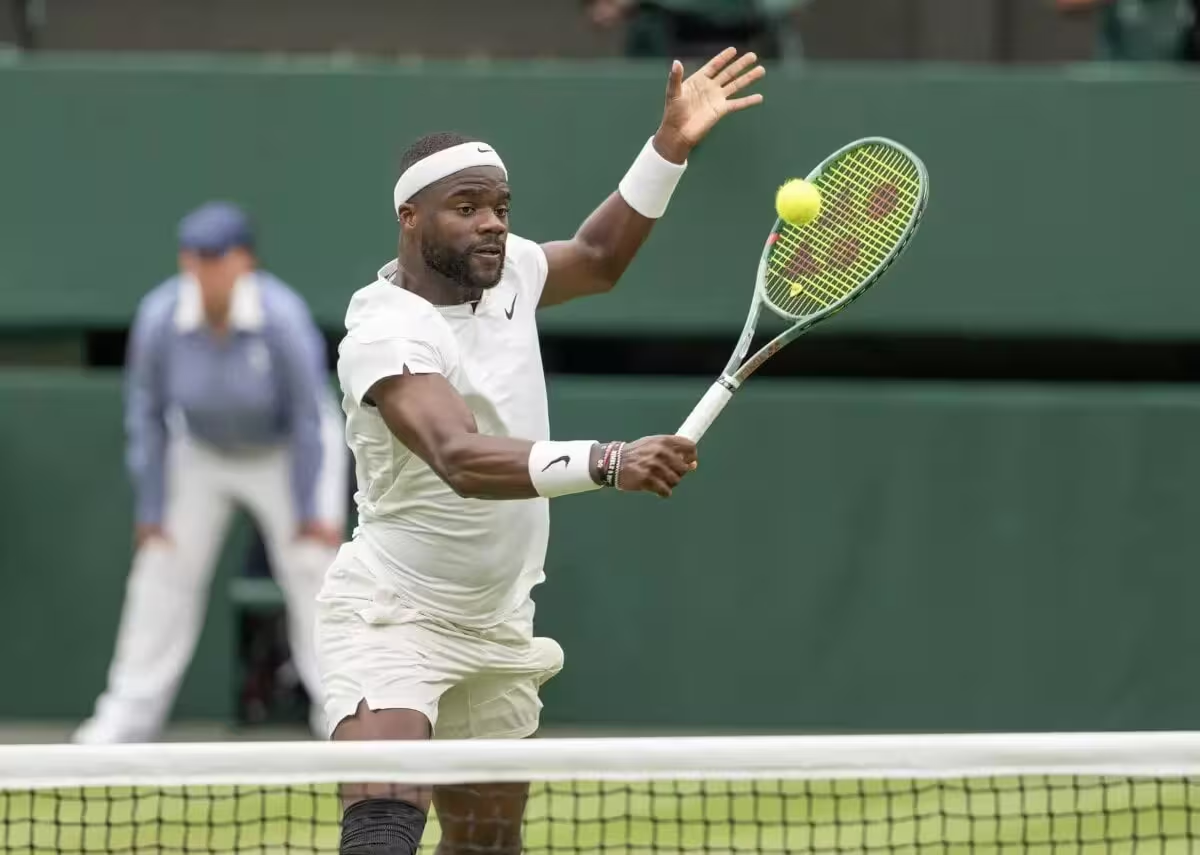
The friction here is straightforward. The headline signals a Shelton vs. Giron preview at the Boss Open and the piece is dated June 11, yet the body shifts into non-tennis material. That gap could be an editorial mistake, a formatting error, or a misapplied content template from a partner feed. None of those possibilities can be confirmed from the visible text, and that absence of confirmation is itself the problem.
For readers searching for Lehecka news, the practical consequence is immediate: this item is not a reliable source. For editors and publishers, the consequence is reputational. A single mismatched headline can depress engagement on other items and seed doubt about data-driven partnerships when outputs are not validated before publishing.
What should happen next is also direct. The publisher ought to correct the headline or replace the body with a proper preview that includes verifiable Lehecka facts — if Lehecka was intended to be part of the coverage — or else amend the metadata so the headline accurately reflects the content. Transparency about the error and a clear correction note would restore clarity for readers.
Until that happens, readers seeking verified information on Jiri Lehecka should consult primary match reports, official tournament sources, or stable coverage from outlets that list Lehecka in the headline and body together. Relying on a piece whose headline promises Lehecka but whose copy contains no Lehecka content risks propagating an editorial ghost.
In the end, the unanswered question is the most consequential: will the publisher correct the mismatch and publish accurate Lehecka coverage for the Boss Open, or was Lehecka never intended to be part of this item and the headline itself is the error that needs fixing? That determination matters because it decides whether readers will get the coverage they sought on June 11, or whether the headline will remain a dead end.