



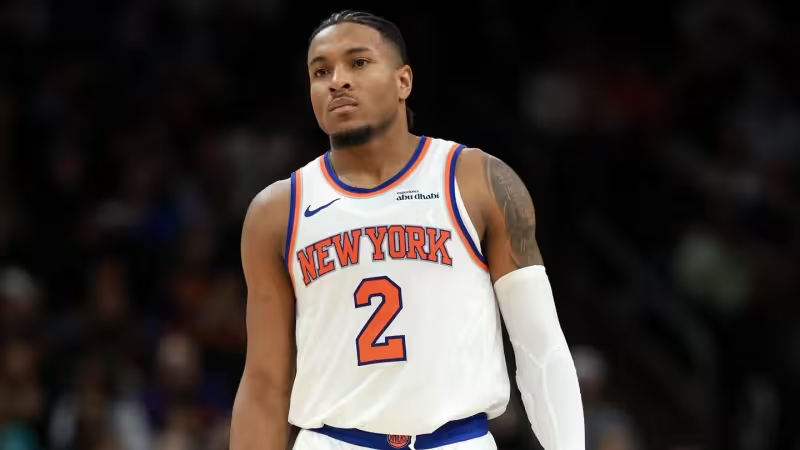
Deuce Mcbride has been ineffective through the Finals, averaging just 3.7 points on 25% shooting from the field and 27.3% from three, a drop that has turned routine possessions into problems for the Knicks.
The numbers are stark. McBride’s series averages — 3.7 points, 25% FG, 27.3% 3PT — sit alongside two very different box-score lines: he posted a plus-11 in 19 minutes in the opening game of the Finals, scoring six points, handing out four assists and blocking one shot, but in Games 2 and 3 he looked completely out of sorts. In Game 2 he still hit a big three and a pullup jumper while logging 18 minutes, but he also turned the ball over twice and struggled to get the ball up the floor and initiate the offense.

Those turnovers and a string of hurried looks are the clearest evidence that McBride’s problems go beyond raw shooting percentages. In Game 2 he took a turnaround jump shot off an offensive rebound and a contested three-pointer over Victor Wembanyama — both plays that read as forced attempts — and he was repeatedly pushed into difficult early possessions by the Spurs’ ball pressure.
That combination of forced shots and stalled possessions is costly because of what McBride is supposed to provide. He is a fan favorite and a homegrown player on a very team-friendly deal, known not only for hustle but for being among the league’s best point-of-attack defenders and a legitimate outside threat. The value of those attributes is simple to state: when McBride defends and spaces the floor, the Knicks get easier looks; when he’s missing those shots or coughing up the ball, the offense grinds.
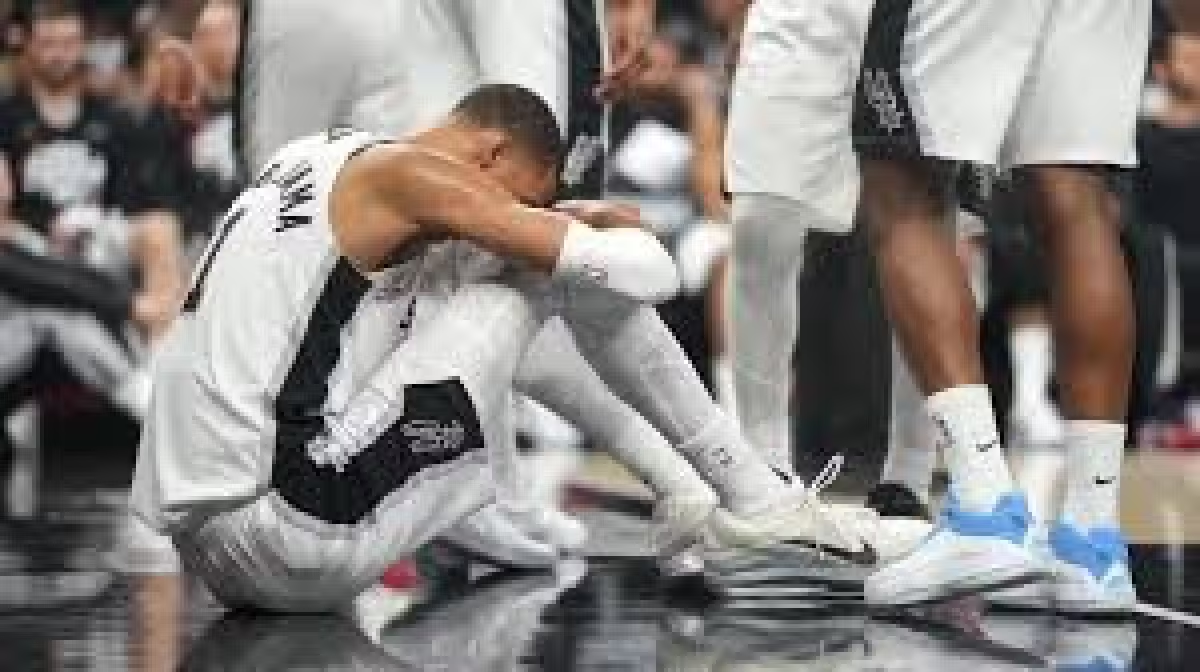
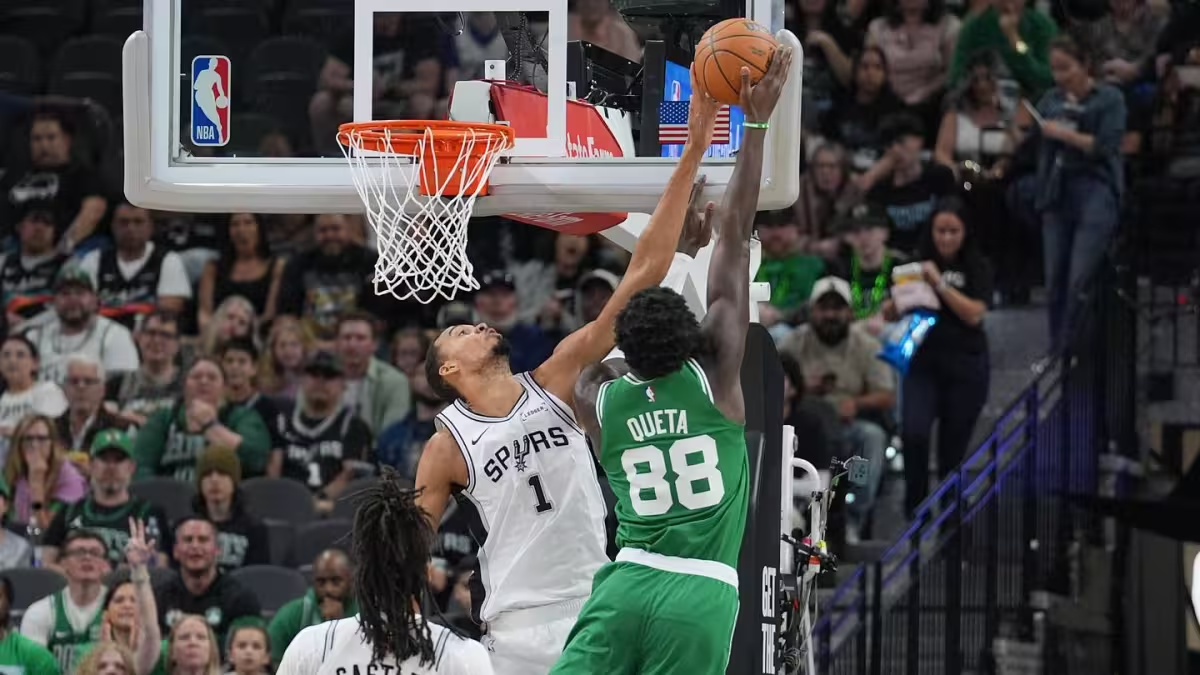
The decisive metric here isn’t only his 3.7 points per game. It’s the opposite swings — a plus-11 in the opener that suggested impactful two-way minutes, followed by multiple games where he looked lost and produced nearly nothing offensively. Game 2 encapsulated the problem: two turnovers created by relentless Spurs pressure, awkward attempts to initiate the break, and two high-variance shots that came when the Knicks needed cleaner possessions.
Context matters. The Spurs’ pressure has specifically targeted ball handlers in the series, and Victor Wembanyama’s presence on the perimeter changes spacing and the risk calculus for every shooter. The Knicks do occasionally get offensive rebounds when opposing bigs like Wembanyama step away from the rim, but those second-chance opportunities require initial shots that look and feel unforced. Both of McBride’s questionable shots in Game 2 appeared to be reactions to pressure rather than reads born of offensive rhythm.
That is the friction the Knicks now face: McBride’s defensive gifts and willingness to shoot should be a net positive, but his Finals shooting slide has turned that profile into a liability at times. Forced threes and stalled possessions not only limit his scoring but hamper the flow for teammates who depend on quick, clean reads in transition and in late-clock sets.
The practical consequence is immediate. Head coaches do not base rotation decisions solely on reputation or contract type; they react to what the scoreboard and possession chart are saying. McBride’s plus-11 and his flashes of offense argue for continued trust. His 3.7 points on 25% shooting, the turnovers, and the appearances of being out of sorts in Games 2 and 3 argue for adjustment — whether that means different play-calling to protect him from pressure, a tweak to when and how he’s used on offense, or reduced minutes if the negative possessions continue.
The single, consequential unanswered question now is whether McBride can reclaim the clean, confident decision-making that let him be both a point-of-attack stopper and a reliable shooter — and fast enough that the Knicks can rely on him without sacrificing offensive momentum. If he can’t, the team will face a short, unavoidable choice: find a way to shelter him into productive minutes, or replace his offensive role with someone who can keep possessions moving.



