



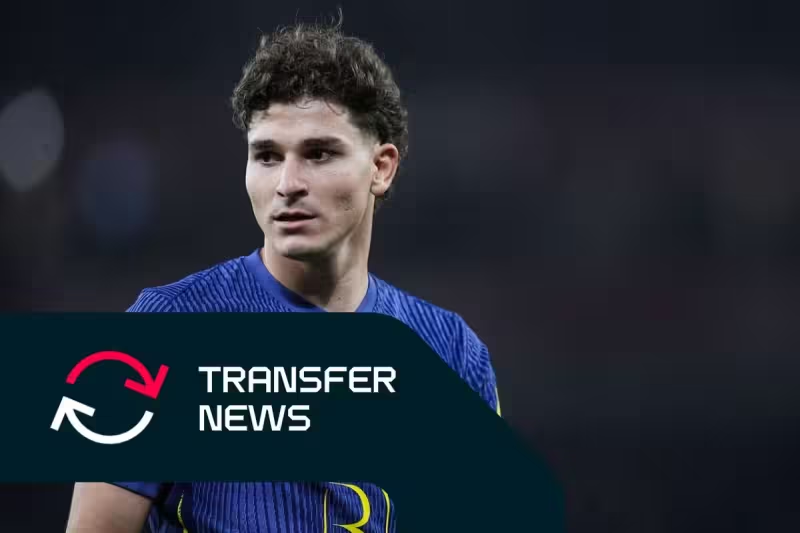
Manchester United remain intent on signing Elliot Anderson after Nottingham Forest rejected Manchester City’s initial £80m bid this summer, and United executives are optimistic they can beat City to the 23-year-old midfielder.
Forest value Anderson at about £100m and have a contract with him until June 2029, giving the club leverage as the market opens. Anderson, 23, is also expected to start England’s opening World Cup match against Croatia on 17 June, a reminder of his rising profile as clubs circle.

The immediate knock-on is financial as much as sporting. Anderson earns roughly £100,000 a week at Forest and could expect a c.50% pay rise at either Manchester club; Sir Jim Ratcliffe would be prepared to meet that wage if Anderson chose United over City. That gap between City’s £80m opening offer and Forest’s valuation is the clearest barrier to a quick deal.
United’s confidence is tied to more than salary promises. The club have already agreed a €40.5m deal with Atalanta for Éderson, who is expected to be paid approximately £70,000 a week at Old Trafford, and they are shaping a midfield rebuild that would be accelerated by Anderson’s arrival. At the same time, Casemiro is expected to join Inter Miami, a departure that would increase United’s urgency to recruit.



There are alternatives under consideration. United’s recruitment team is monitoring other midfield targets while weighing the Anderson chase. That leaves two clear levers for Forest: hold out for a fee near their £100m valuation or bank a sizeable offer now. Rejecting City’s £80m bid signals they are betting on the former.
The friction in this race is obvious. Manchester City are widely regarded as favourites in the public market; their position and resources make them a credible front-runner. Yet United believe they can persuade Anderson to move to Old Trafford, and Ratcliffe’s willingness to meet wage demands is central to that case. The clubs’ differing approaches — City’s higher profile offer versus United’s recruitment pitch and salary package — set up a direct competition over the player’s preference as much as over price.
Practically, the next step is simple: one side must close the valuation gap. Either City return with an improved bid, United match or better that offer, or Forest maintain their stance and run down their options. The transfer will hinge on whether a bid approaches Forest’s c.£100m target and on Anderson’s willingness to choose between two rival suitors.
The unresolved question now is who will be prepared to meet Forest’s price and secure Anderson’s signature. United have signalled they will try; City have already put money on the table. The outcome will be decided when one club bridges that roughly £20m difference and convinces Anderson that their project — and the pay packet that comes with it — is the right place for the next step in his career.



