



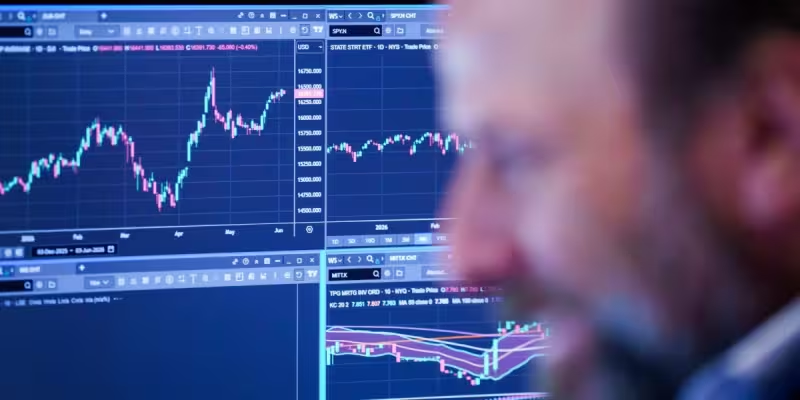
Wall Street dumped nearly $1 trillion in technology stocks by midday as the Nasdaq Composite slid more than 4% at lunchtime before the market pared losses to close about 1% lower.
The heaviest selling landed in the highest‑beta names: traders unloaded Strategy, AppLovin and Lumentum around noon, and chipmakers bore the densest cluster of the rout. Marvell fell 10% on the day after jumping 10% earlier on news it would join the S&P 500. One strategist labeled the chip index the “Parabolic 7,” a fitting tag after the group had surged nearly 100% in a matter of weeks.

That concentration of outflows is the weight behind the move: a crowded run in semiconductors and related AI‑linked stocks met a day when risk appetite retreated, and the intraday swing was dramatic enough to shave the Nasdaq’s intraday gains into a modest close.
Traders and strategists tied the selloff to two immediate pressures. A stronger‑than‑expected May jobs report last week pushed expectations for Fed rate cuts further into the future; Broadcom’s disappointing quarterly outlook earlier in the week had already dented confidence among chip and cloud suppliers. At the same time, capital is being pulled toward massive private market events—SpaceX, set to stage what will be the largest IPO ever on Friday, is already oversubscribed with multiple $10 billion orders—and toward other private names including OpenAI and Anthropic, both of which have confidentially filed.
The market did not flee equities wholesale. Money rotated into defensive and beaten‑up segments: consumer staples and discretionary winners such as Smucker, Home Depot and Sherwin‑Williams attracted buying, while real estate, staples and utilities finished up. “You’re seeing money flow into consumer names that have been unwanted and unloved,” said Richard Steinberg, pointing to the intraday redistribution from high‑growth tech to steadier cash‑flow names.
That shift frames the core tension: the drop looked like an aggressive tech selloff, but it unfolded as a reallocation rather than a panic‑driven exit. Founder ETFs’ Michael Monaghan argued the selling may have reflected buyers stepping back instead of a rush for the exits, a view that helps explain why pockets of the market finished higher even as high‑beta tech got hammered.
Some strategists were blunter about the character of the run that preceded the unwind. Brian Jacobsen called the tech stretch an Icarus trade, saying the wings were melting as money chased the latest winners, and warned that marquee capital moves—Alphabet’s rare capital raise and the SpaceX tide—had begun to siphon liquidity from public names. The result was a quick reversal once traders grew uncertain about the path for interest rates and earnings.
Intraday volatility also produced clear, name‑level outcomes. Marvell’s reversal encapsulated the day: a 10% jump on an S&P inclusion bookmark was followed by a 10% drop as the market rotated away. Chipmakers, after near‑triple‑digit percentage moves in recent weeks, proved the most sensitive to a shift in sentiment.
Markets carried other signals: oil eased about 3% to roughly $88, a backdrop that softened energy‑sector pressure. But the immediate market hinge remains the calendar—investors head into Wednesday and Thursday with key inflation readings due and the Fed’s path once again the central variable for risk assets.
The unresolved question is whether Friday’s heavy private‑market event and the midweek inflation prints will extend the rotation or simply mark a one‑day repricing. If buyers keep reallocating into consumer, real estate, staples and utilities, the episode may prove a lasting shift in leadership; if the private tech IPO and hot data prompt a return of risk appetite, the selloff will register as a sharp, short correction in an otherwise crowded trade. Traders will watch SpaceX’s debut and the inflation releases for the next decisive signals.



