South Carolina voters went to the polls on June 9 to choose nominees for governor and other offices, setting up the next phase of a race that could still end in a runoff. Seven Republicans and three Democrats were on the ballot to succeed term-limited Gov. Henry McMaster, and primary winners must clear 50% of the vote to avoid a June 23 runoff between the top two finishers.
The Republican field includes U.S. Rep. Nancy Mace, U.S. Rep. Ralph Norman, state Attorney General Alan Wilson and Lt. Gov. Pamela Evette, whom President Donald Trump endorsed less than two weeks before Election Day. On the Democratic side, state Rep. Jermaine Johnson, attorney Mullins McLeod and Billy Webster are seeking the nomination. If no candidate reaches a majority, the race goes back to voters on June 23, with the top two vote-getters advancing.

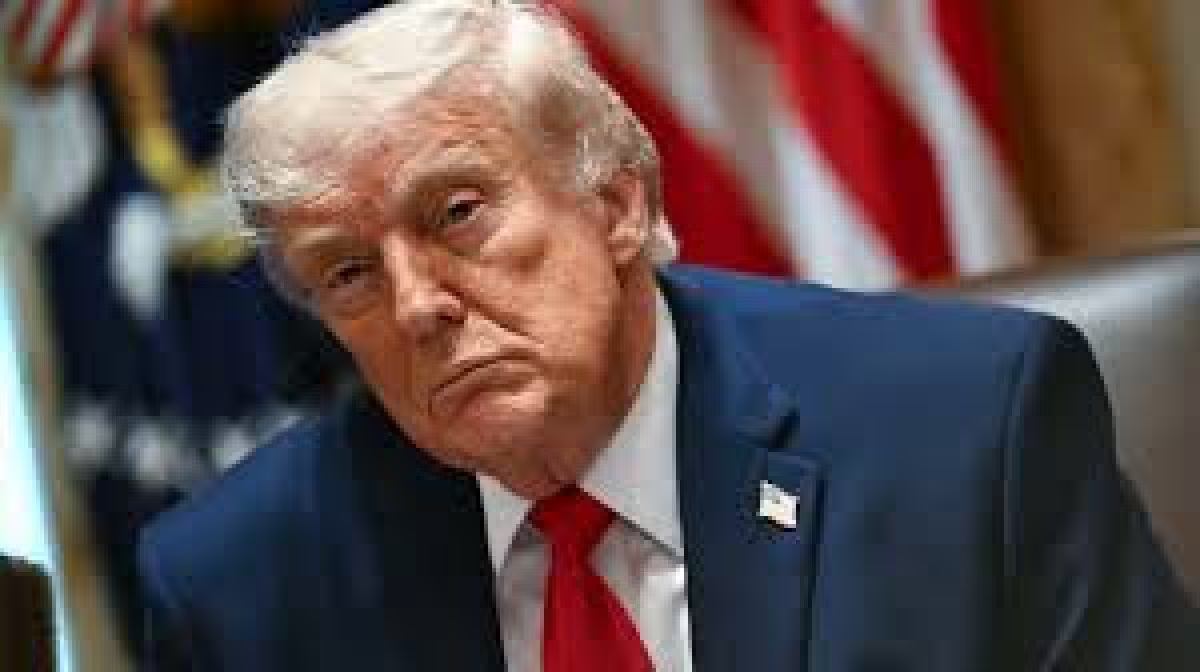
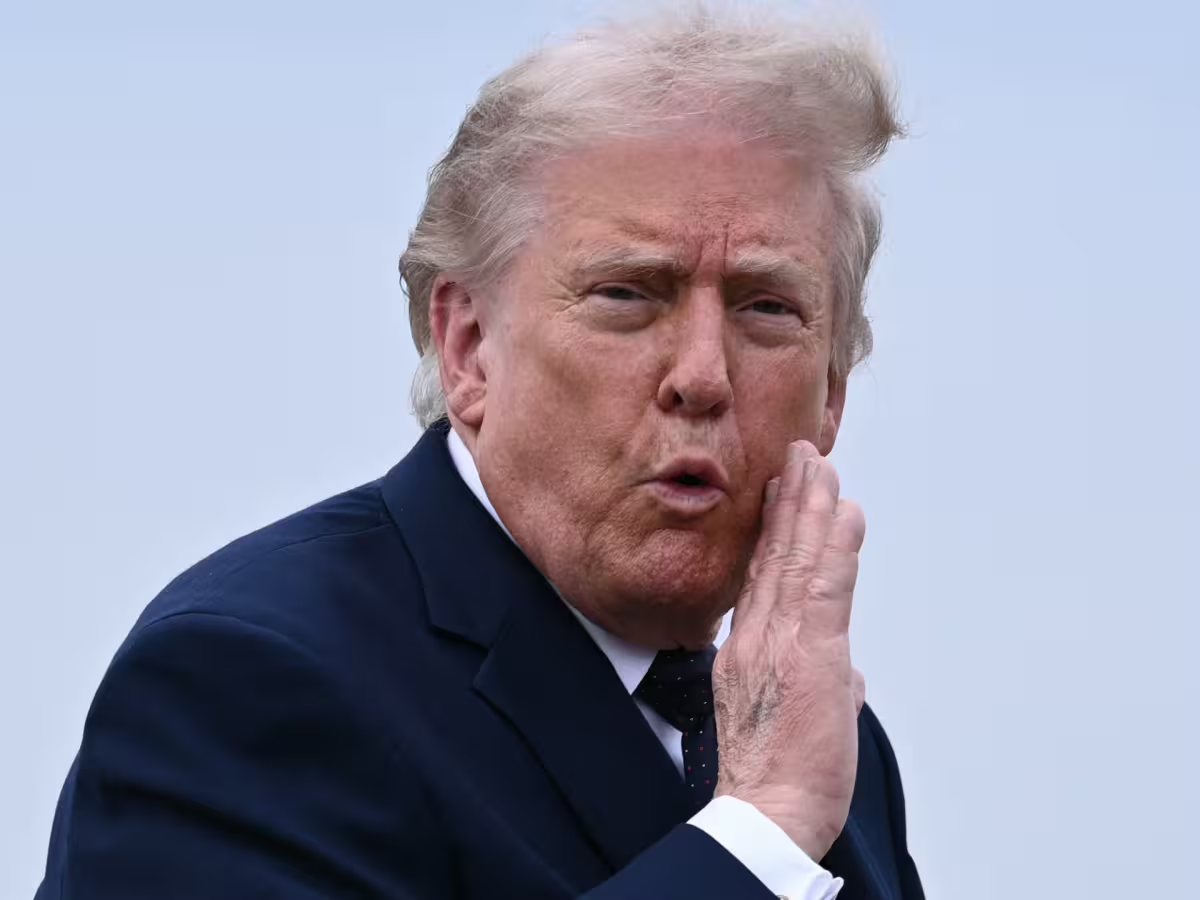
The governor's race is open because McMaster is leaving office after 10 years, and the outcome will decide who appears on the November ballot. Trump’s backing could matter in a Republican primary, but it is not a guarantee; in a recent GOP gubernatorial contest in Iowa, his endorsement did not by itself settle the outcome. That makes the South Carolina result less about who has the biggest national name attached to the campaign and more about whether that support translates into enough votes on the ground.
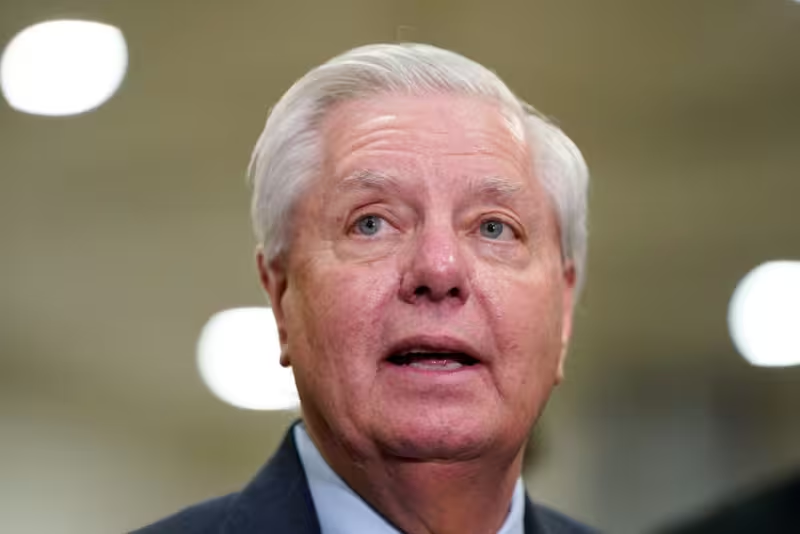
The broader primary also had implications beyond the governor’s race. U.S. Sen. Lindsey Graham faced five Republican challengers in his bid for a fifth term and entered the final stretch with Trump’s endorsement, more than $29 million spent on his reelection effort as of May 20 and about $4.2 million still in the bank. Mace’s decision to run for governor also left her 1st Congressional District seat open, drawing seven Democrats and 11 Republicans to the ballot there, even after former Gov. Mark Sanford dropped out.
What happens next is straightforward: officials will count the votes and determine whether any candidate has reached 50% and secured a spot on the November ballot. If not, South Carolina will be back at the polls on June 23 for a runoff that could reset both parties’ governor’s races.