Paramount/Skydance’s planned purchase of Warner Bros. Discovery, if completed later this year, is expected to lead to Paramount+ being phased out and HBO surviving as the cornerstone of a new, single streaming platform.
The move would stitch together services that now report about 79 million Paramount+ subscribers and roughly 140 million HBO Max subscribers into one larger offering intended to challenge the market leader: Netflix, which has about 325 million subscribers worldwide. The deal’s backers say the merged company will also step up studio output — producing and releasing at least 30 films a year across theaters, on-demand windows, streaming and home video — and have left production control in familiar hands, with HBO chief Casey Bloys set to retain authority over creative decisions.

The scale is the clearest metric of the merger’s impact. Combining Paramount+ and HBO Max would create a single subscriber base approaching 220 million, a dramatic consolidation of brands and distribution power that would reshape how new films and series are positioned between theatrical runs and streaming premieres.
Company leaders have framed the combination as a bid to become a stronger local buyer for creators in key markets, aiming to offer filmmakers and showrunners a broader set of release options and more predictable financing. Backers also argue the new entity would release films on multiple platforms rather than locking titles to one window, signaling an intent to keep theatrical distribution part of the model.
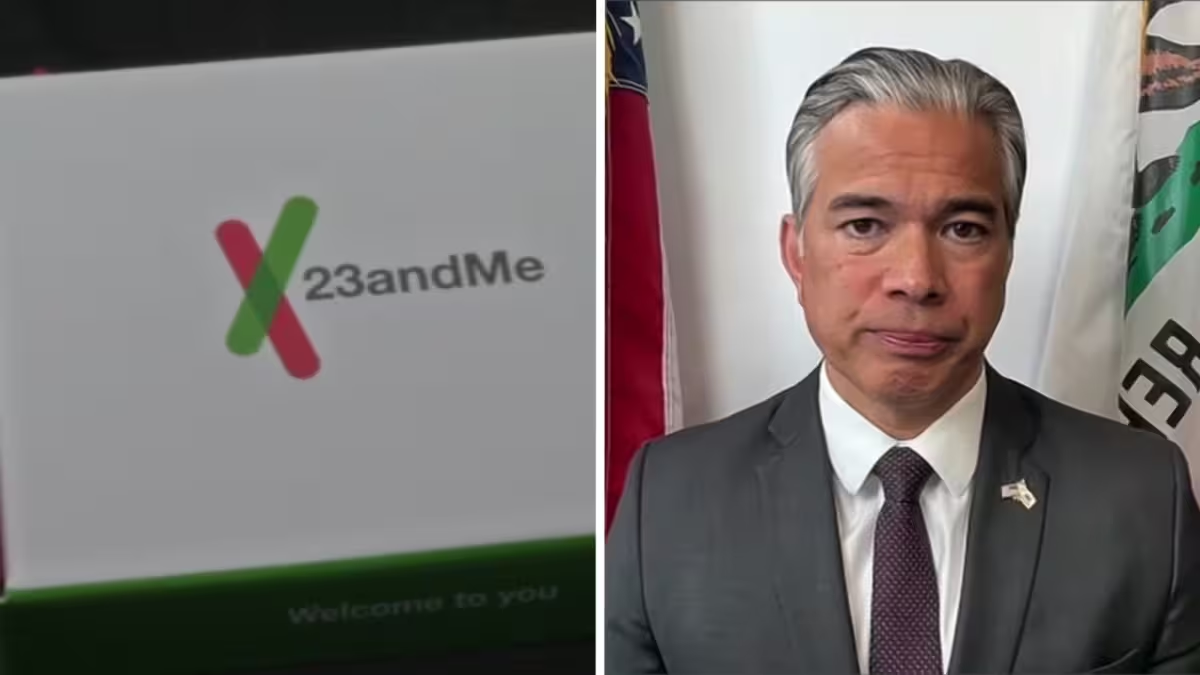
That strategy is already colliding with legal and regulatory resistance. Several state attorneys general, led by California Attorney General Rob Bonta, plan to sue to block the transaction, and inquiries in the United Kingdom are probing whether the merger would limit competition for viewers. Those challenges come even as the companies present the deal as a necessary consolidation to compete globally in streaming.
The friction is sharp: rivals and some regulators argue that combining two large subscription services into one could reduce choices and bargaining power for consumers and creators alike, while the companies say a single, stronger streamer will buy more content in local markets. At the same time, one major streaming rival has been described by people familiar with the matter as mounting an aggressive behind-the-scenes campaign in Washington to derail the deal; Paramount’s legal team has dismissed that push as a panic-level reaction to competition that would emerge from the merged company.
Practically, the proposed consolidation raises immediate questions for subscribers and industry workers. If Paramount+ is phased out, current users will be migrated to the rebranded service under the HBO banner; the precise mechanics of account transitions, pricing and catalog curation have not been disclosed. For studios and distributors, a single combined platform would change negotiations over windows and licensing for films and series, since one buyer would now control access to a much larger direct-to-consumer audience.
Operationally, the companies say the combined studio will keep theatrical releases central while also exploiting on-demand and streaming channels — a hybrid that the executives argue preserves revenue streams for big films while driving subscriber value for the new service. Their plan to sustain at least 30 releases a year signals a commitment to a high-volume slate intended to supply both theatrical distributors and the streaming catalog.
Still unsettled is the name and positioning of the new service. Executives have said HBO would remain intact as a brand under a new banner, but they have not revealed whether HBO itself will be the headline consumer brand or part of a broader merged identity. That branding decision matters: it will determine how legacy franchises, prestige programming and mass-market content are marketed to millions of subscribers.
The single most consequential question now is whether the deal can survive growing legal pressure and regulatory scrutiny in multiple jurisdictions. If state lawsuits or U.K. inquiries block the purchase, the merger — and with it the likely phase-out of Paramount+ — will stall. If regulators clear the deal, the industry will face a rapid reordering of streaming options, distribution windows and corporate strategy that could permanently alter how films and television find audiences.