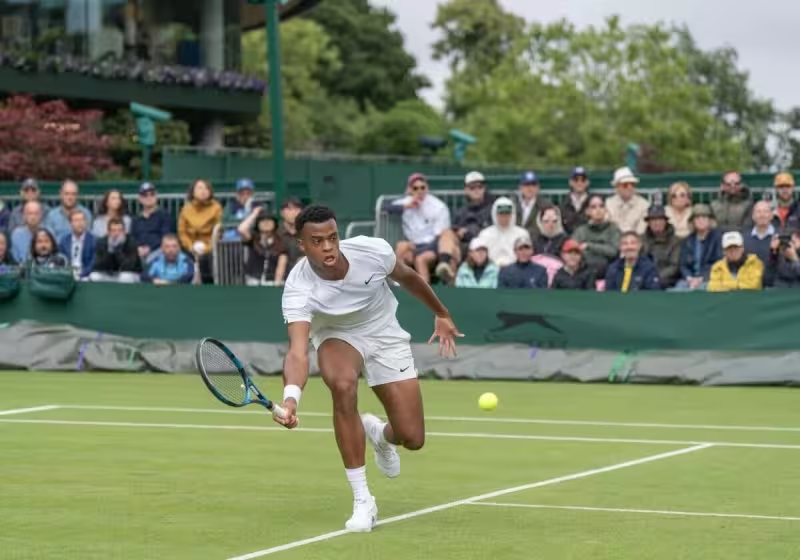
Martin Landaluce, the 20-year-old Spanish prospect coming off a strong clay swing, is set to make his first tour-level appearance on grass at the ATP Stuttgart Open this week, when the grass-court season opens immediately after the French Open.
Landaluce’s inclusion in Day 1 predictions frames Stuttgart as the first meaningful surface test at tour level for a player many describe as talented and capable of reaching high levels. The tournament is one of two quick events on the calendar this week, and its low, fast courts hand an immediate premium to players who already know how to handle the distinctive bounce and tempo of grass.

The practical weight of that fact is simple: Landaluce has never played a tour-level match on grass. That lack of experience arrives against a backdrop of momentum — he comes off a great clay swing — and it forces a familiar question for young players moving from clay to grass: can recent form travel when the ball stays lower and points are accelerated?
Stuttgart’s quick courts highlight the contrast between Landaluce’s debut and opponents who arrive with grass resumes. Pierre-Hugues Herbert, for example, brings plenty of grass-court experience, slipped through qualifying with solid wins and now sits starkly as a veteran foil; he is ranked well outside the top 200 but his comfort on grass is the kind of edge quick events can amplify.
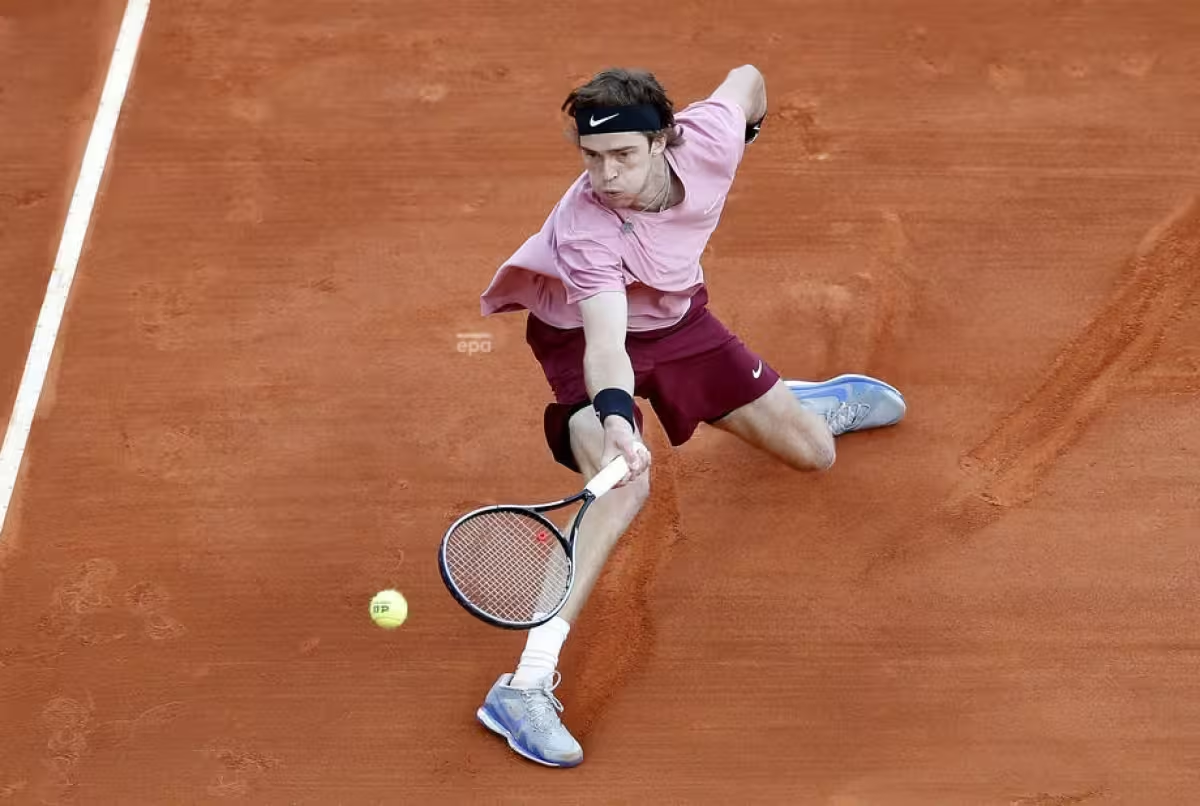

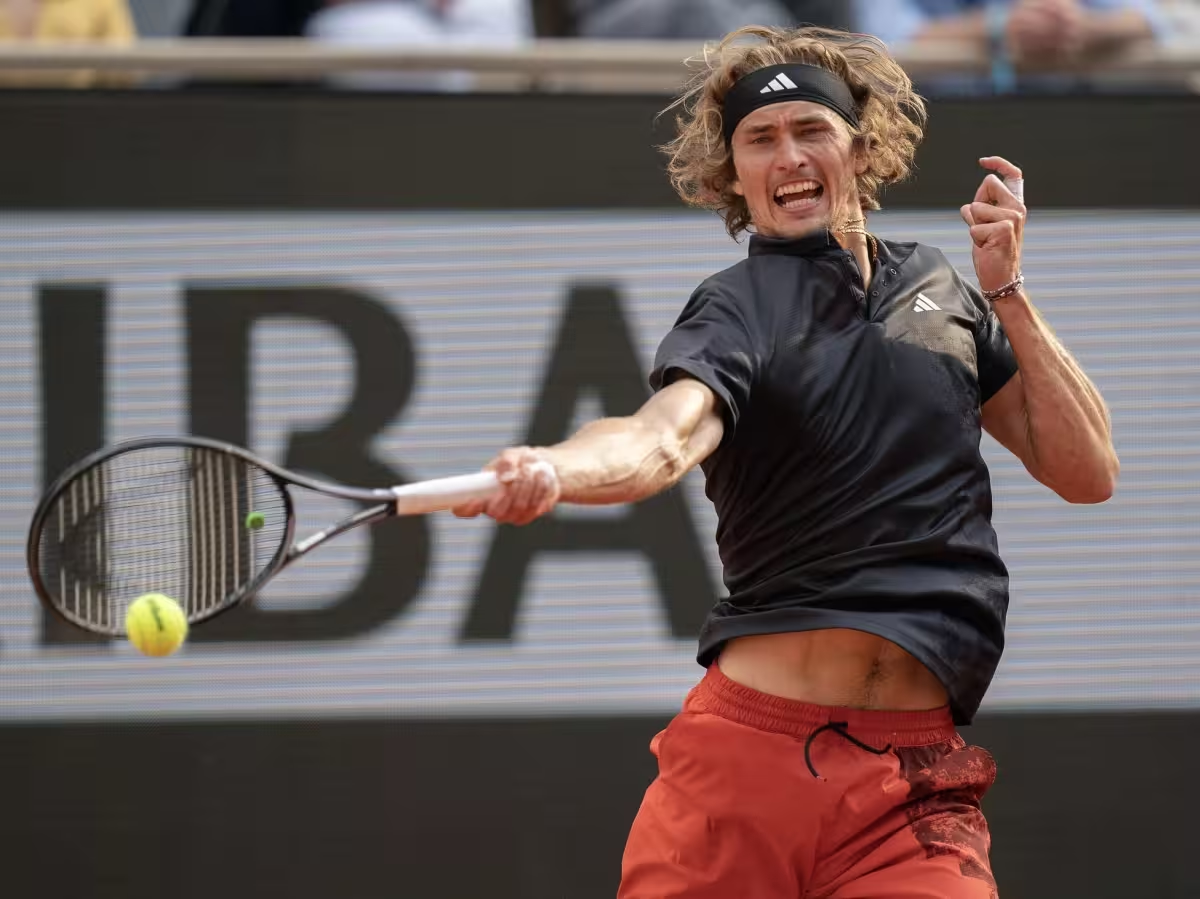
Those contrasts are visible across the draw. The week also features a high-profile Monday matchup at the Boss Open: Tommy Paul against Giovanni Mpetshi Perricard. Paul arrives having found some much-needed form in Paris; Perricard, who made back-to-back quarterfinals to start the season, has struggled since — he has won just one tour-level match since January even though he pushed Novak Djokovic to a set in the first round at the French Open. Matches like that underline how momentum and surface both matter as the circuit pivots between clay and grass.
For Landaluce, the immediate stakes are technical and tactical. Grass rewards depth of first serve, slice and low-ball movement; it punishes heavy top-spin patterns that thrive on clay. The question for him is not only how well he can move on a lower bounce, but whether the confidence from his clay swing translates into aggressive, shorter points on a surface that invites different patterns of play.
Coaches and onlookers will be watching the small things that signal adaptation: early return positioning, willingness to take the ball earlier, and how he handles low slices and serves that skid. In a tournament described as one of the quickest on tour, even modest deficits in positioning or timing can turn a promising outing into an early exit.
The clearest unresolved fact coming into play this week is straightforward and consequential: Landaluce’s first tour-level grass match at Stuttgart will be the first clear measure of whether his clay-court form can survive the switch to a fast, low surface. That result will shape immediate expectations for his grass season — and for a young player widely regarded as capable of greater things, Stuttgart will provide the first public answer on grass.