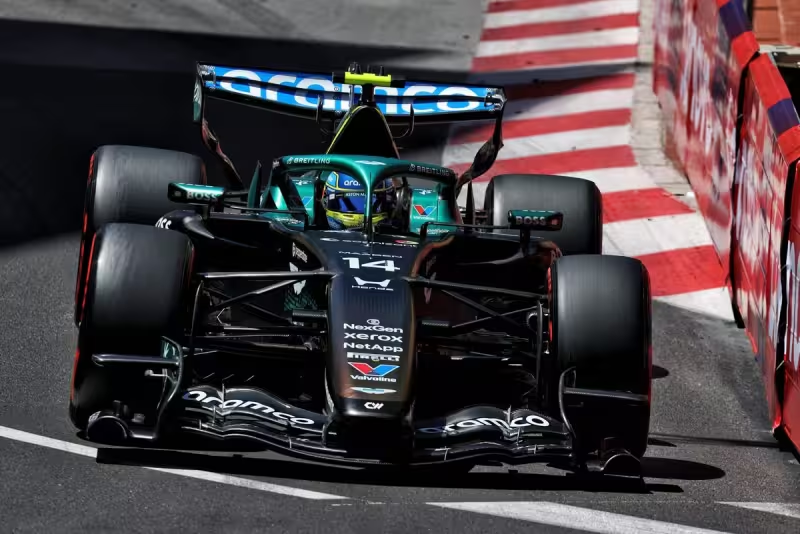
Fernando Alonso ended Friday practice in Monaco 20th in both sessions and told his team he expects “a lot of tweaks” to his Aston Martin before FP3 and qualifying on Saturday.
Alonso’s twin P20s left him and Aston Martin at the back of the timesheets on a day when track position and set-up are unusually decisive. The deficit was not a marginal miss: two practice sessions with the same slot underlines how far the car was from competitive running around the tight, low-speed streets of Monaco.

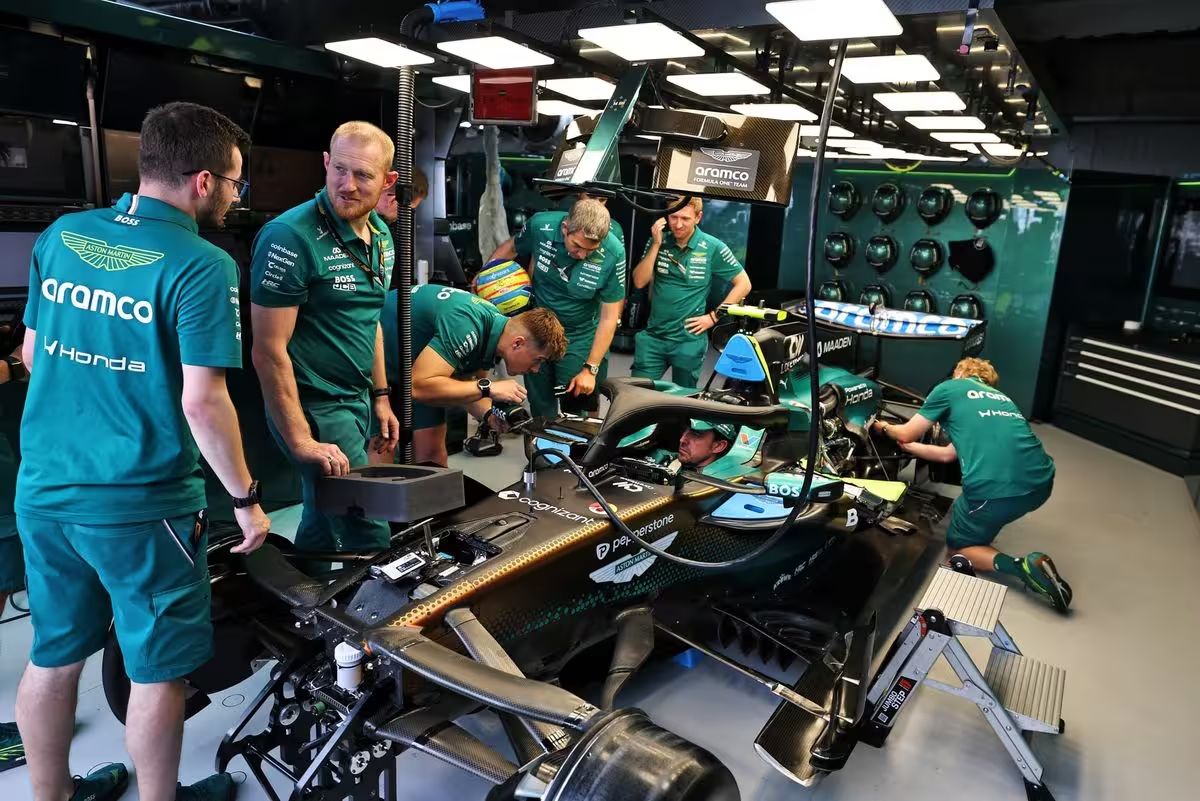
The immediate plan is straightforward and urgent. Alonso said he and the team would be making a lot of changes to the car ahead of FP3 and then again before qualifying on Saturday. Those alterations are the practical priority; the team has less than a full day to alter balance, ride-height, or aero settings on a circuit where small changes can yield outsized effects.
Monaco’s layout matters to that calculus. The harbour circuit’s tight turns and heavy braking zones reduce the role of energy recovery compared with faster tracks, so teams can’t paper over set-up faults by leaning on hybrid deployment. That reality narrows the range of fixes available and increases the premium on getting mechanical grip and balance right for qualifying runs.
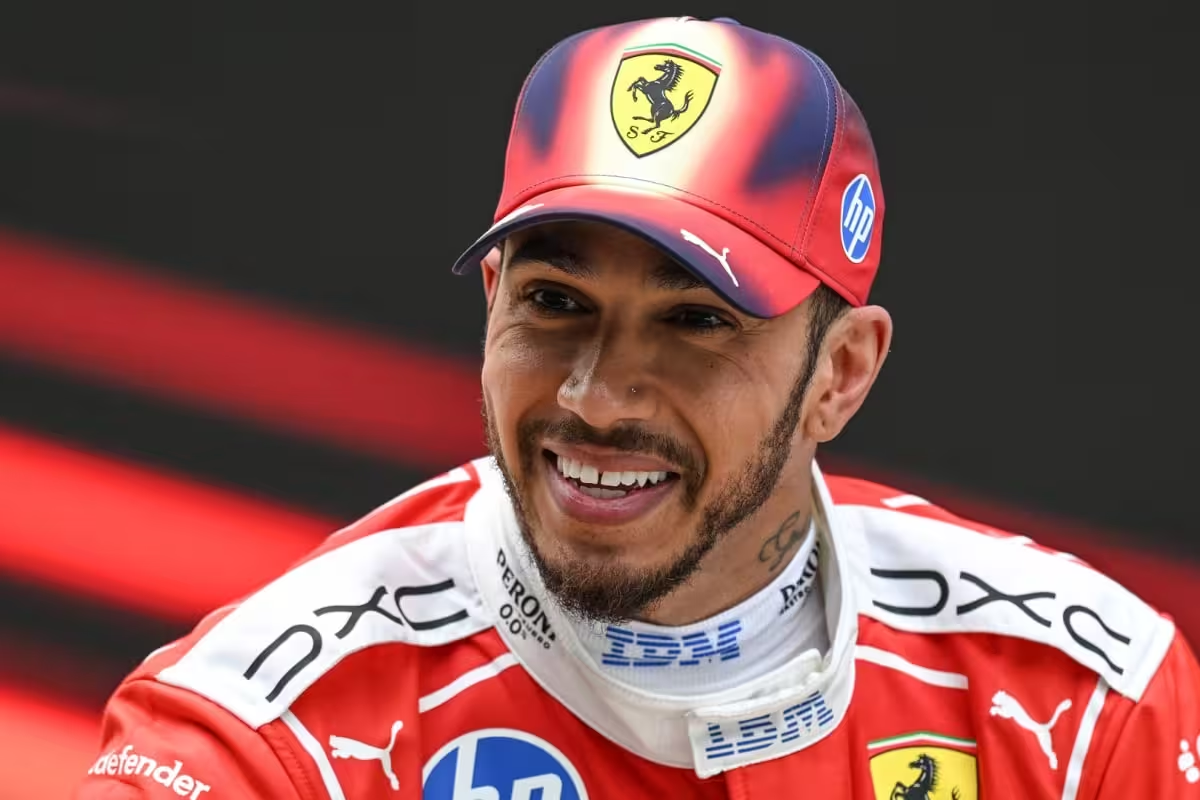
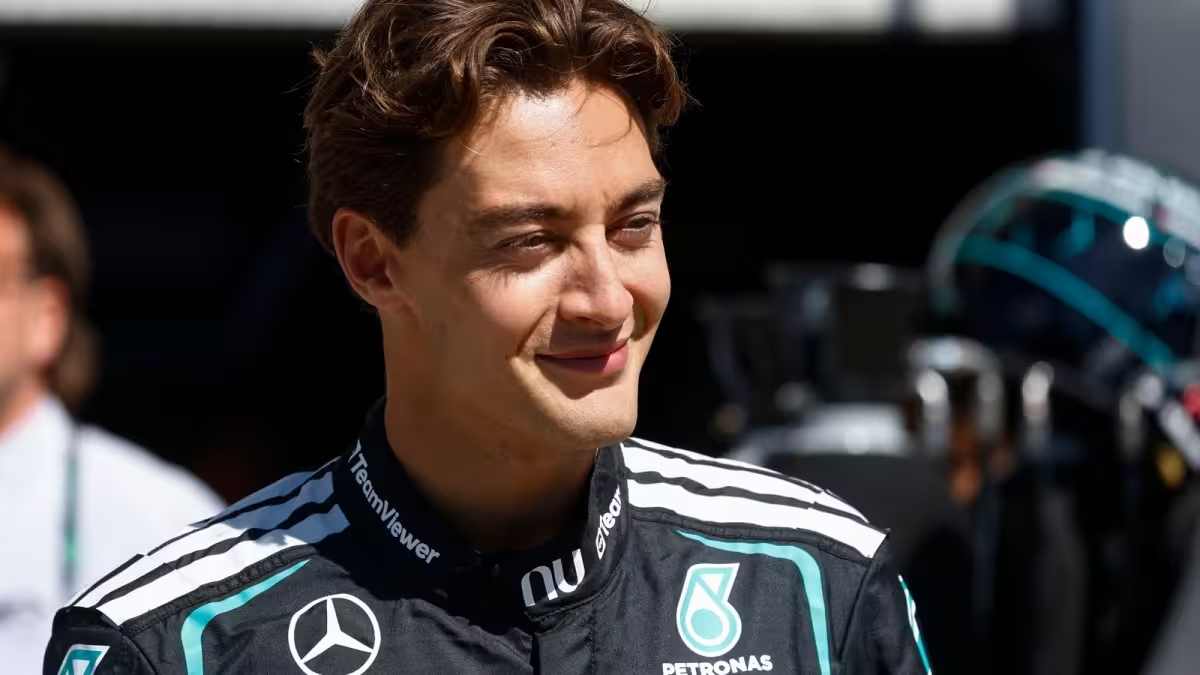
That technical squeeze helps explain why Alonso’s remarks after practice were sharper than a routine setup note. He called the current cars “probably the worst generation of cars I ever drove in Monaco” and added, bluntly, that “hybrid cars should not be racing.” He also said, “The generation of these cars is...they are not good.” Those comments put a public spotlight on a longer-running debate among drivers about the direction of the new regulations.
The friction is obvious: Monaco should, in theory, offer some relief to cars that struggle to recover energy over a lap, yet Alonso still judged the package fundamentally wrong for the track. That contradiction raises two urgent questions for Aston Martin’s engineers—what to change, and whether the changes can move Alonso out of the pack before qualifying laps are run.
There are limits to what can be done overnight. Practice provides the data; the team will need to select solutions that are both legal under parc fermé implications and likely to be effective on Monaco's unique tarmac and curbs. Alonso’s comment that the squad would be making “a lot of tweaks” signals they are prepared to try multiple directions rather than a single small adjustment.
The wider conversation around the cars’ performance at Monaco has drawn similar notes from other leading drivers, who have warned that the 2026 spectacle has not made the current generation universally popular. That broader context does not change the immediate math for Alonso: he has until the final practice and his first qualifying runs on Saturday to show meaningful improvement.
The most consequential unanswered question now is simple and specific: what exact setup changes will Aston Martin try, and will they be enough to lift Alonso out of the back of the field for qualifying? The team has signalled intention; the outcome will be decided by the box score on Saturday afternoon.