



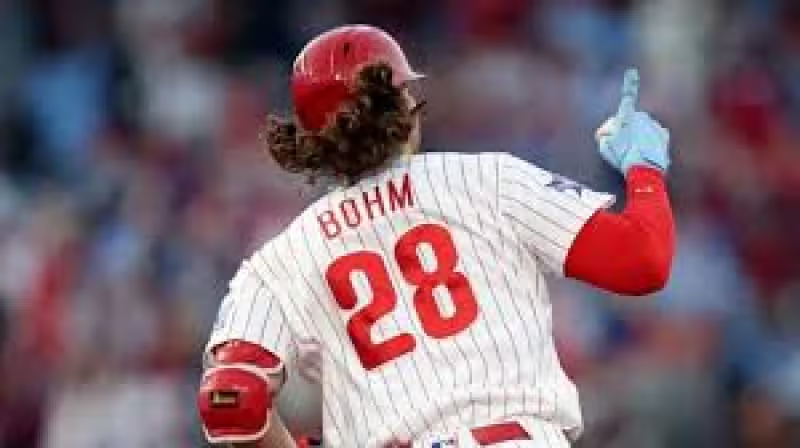
The Philadelphia Phillies beat the San Diego Padres 3-2 on Tuesday, again getting the bulk of their offense from Bryce Harper, Brandon Marsh and Kyle Schwarber while the rest of the lineup went quiet.
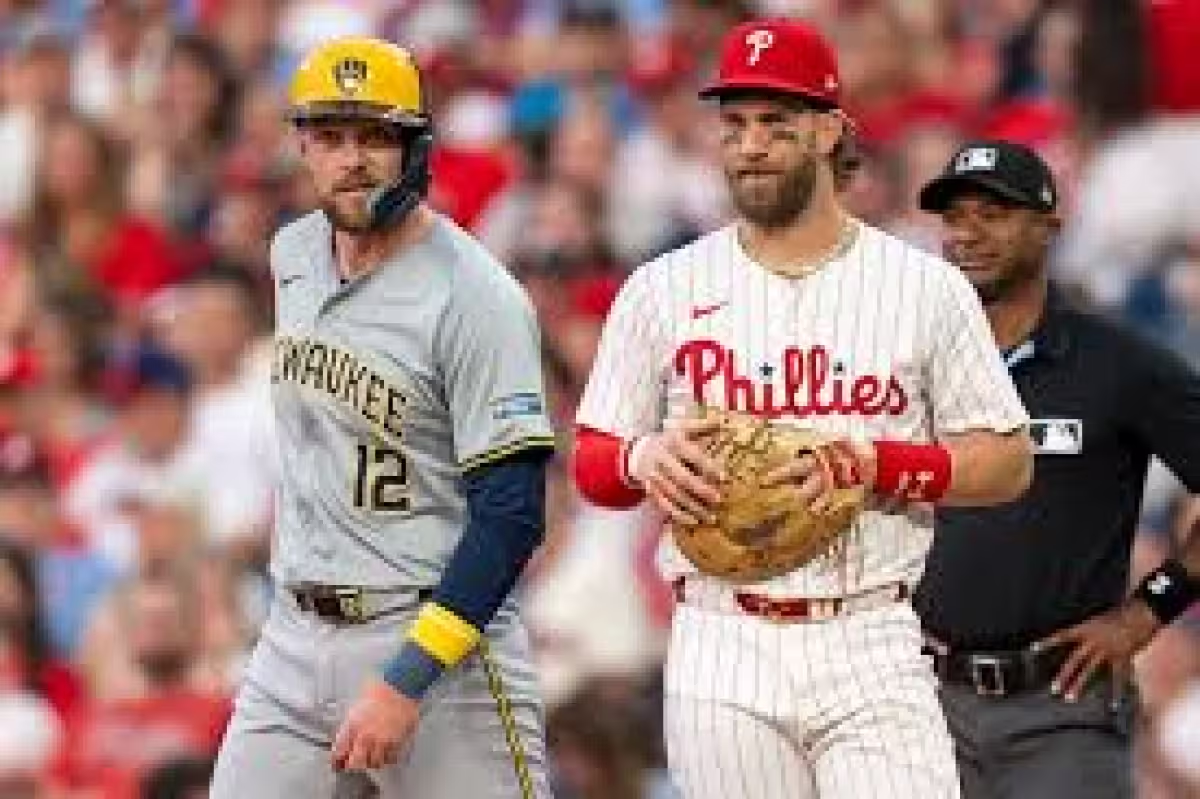
Harper provided the key blow with a two-run home run that stretched the lead and moved him to 377 career homers, passing Carlton Fisk and into a tie for 81st on the all-time list; later in the game he grounded out with the bases loaded. Behind that swing, the Phillies survived a bottom half that combined to go 2-for-17 with one walk and was erased by three double plays.

The result fit a larger pattern: Philadelphia has won five of its last seven games and sits two games over.500, and it also carries the majors' best record in one-run games at 13-5. Those narrow victories have papered over an offense that averages just 3.88 runs per game, has not scored five or more runs in two weeks and has been held to four or fewer runs in 12 straight games.
The offense’s heavy lifting has come from a short list. Brandon Marsh, Bryce Harper and Kyle Schwarber supply most of the punch — Marsh (.332/.362/.482), Harper (.262/.363/.519) and Schwarber (.231/.349/.588) — while a typical lineup beyond them struggles to reach base. The club is the first since the 1943 Philadelphia Athletics to feature four regulars with sub-.300 on-base percentages — Alec Bohm, Bryson Stott, Trea Turner and Adolis García — and with J.T. Realmuto and Justin Crawford not far from qualifying a normal Phillies lineup effectively contains six regulars below the.300 OBP threshold.
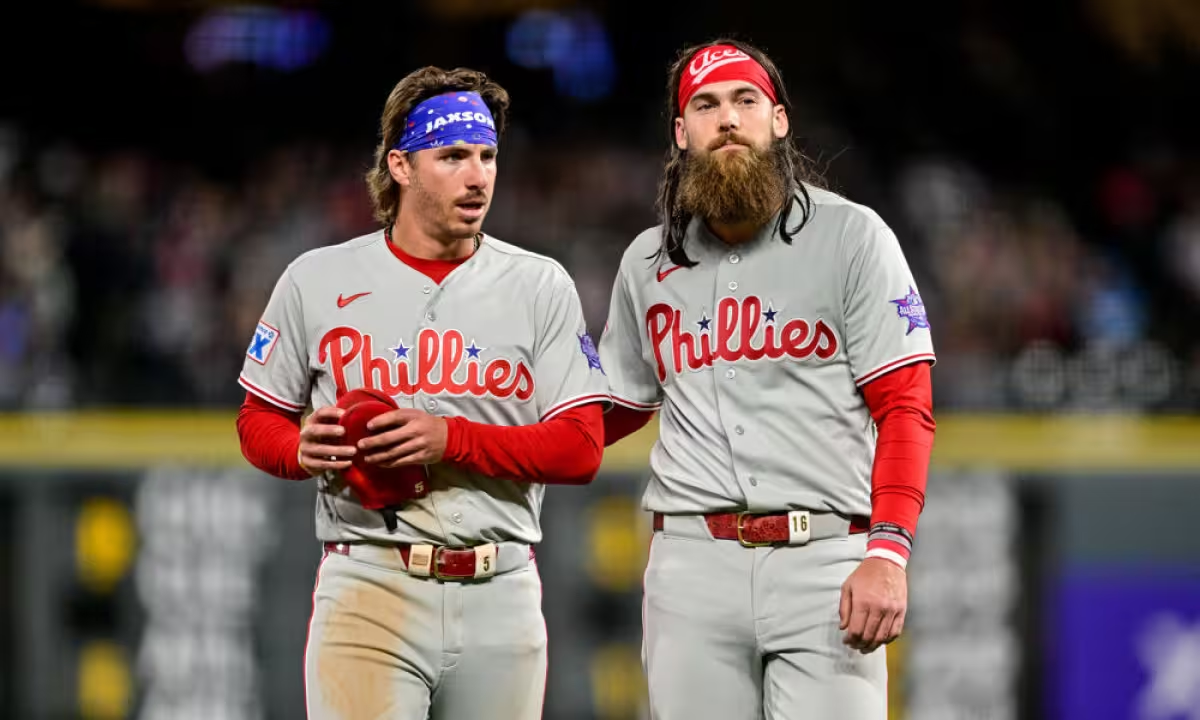
Manager Don Mattingly summed up the day’s balance with a short assessment: "A lot of good stuff," a nod to how pitching and situational hitting have compensated for offensive shortfalls. Harper himself was blunt about the limits of the current approach: "I don’t think, over a course of a season, it’s super sustainable," he said, adding, "Obviously, we’ve done a good job of late. Our starting pitching has been lights out, and our bullpen has been very good. So obviously, as an offense, we want to score more runs. And we need to score more runs. We’ve just got to keep going, keep plugging." He framed the team’s reality plainly: "Sometimes you blow a team out," he said, "Sometimes you’re going to have to fight and win a one-run ballgame."
Tuesday’s game illustrated both sides of that ledger: an individual homer that breaks a close game and a lineup that otherwise failed to extend innings or create sustained offense. The margin has worked so far because Philadelphia’s pitchers have repeatedly delivered the tight outings necessary to preserve slim leads.
The unanswered question now is immediate and consequential: who will reliably provide on-base and run production beyond Harper, Marsh and Schwarber? The front office faces a choice — press the internal options or augment the lineup before the stretch run — and the club’s deadline calculus will matter. For background on how those decisions could intersect with roster moves, see Kyle Schwarber and the Phillies' deadline calculus over Brandon Marsh —
The Phillies can continue to win with this formula while pitching remains elite, but without clearer contributions from the rest of the order the team risks running out of margin when close games stop breaking their way. Who steps up — or who is added — is the single most important open question for Philadelphia’s offense moving forward.



