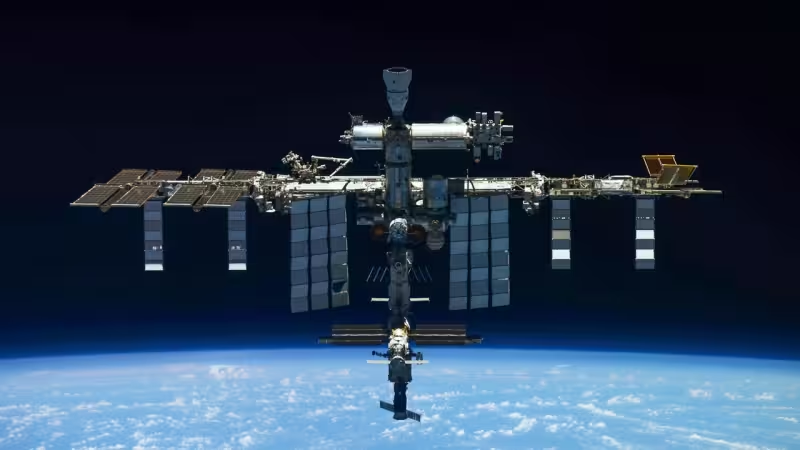
NASA ordered an iss evacuation on Friday after flight controllers detected a fresh leak aboard the International Space Station, directing the five astronauts on board to shelter inside a docked SpaceX capsule while engineers addressed the problem.
The move sent the full crew into the spacecraft attached to the station as cosmonauts focused repairs on the Russian side of the orbiting laboratory. NASA spokesperson Bethany Stevens said the decision to shelter the crew was made "out of an abundance of caution."

Officials said the five astronauts moved into the SpaceX capsule immediately after the leak was found, and that Roscosmos — the Russian space agency — elected to carry out a more extensive repair after fresh leaks were discovered. Teams on the ground and aboard the station worked to isolate and fix the breach while keeping the crew protected in the docked vehicle.
The leak was located on the Russian segment of the station, the same section that has experienced cracks and small air losses over the years. That history of repeated cracks and leaks is now central to the response: controllers treated the new breach as an urgent safety risk even though the underlying cause of the recurring damage has not yet been established.


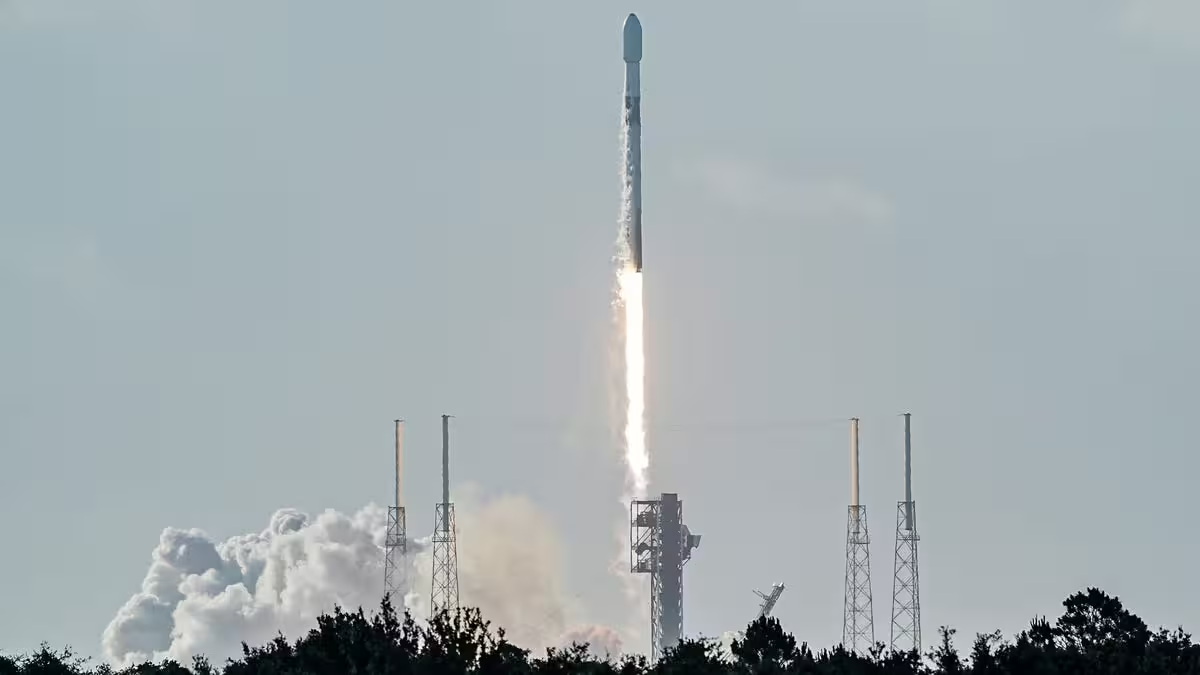
Putting the crew into the SpaceX capsule was a short, deliberate emergency procedure: move to a sealed, independently powered spacecraft that can support the astronauts if the station atmosphere is compromised. The precaution was limited to sheltering rather than abandoning the station; work to repair the leak continued on the Russian side while flight surgeons and mission control monitored the crew.
NASA and Roscosmos are coordinating the technical response, but they have not reached a conclusion on why that section of the station keeps developing cracks. The agencies said they are still working to determine the cause of the damage even as technicians proceed with hands-on repairs. Roscosmos' decision to undertake a more extensive fix followed the discovery of fresh leaks, signaling the problem required more than a quick patch.
The sequence underscores a persistent vulnerability on the orbiting laboratory. Over the years, that part of the station has suffered from cracks and leaks, and Friday's event showed how a new breach can immediately force life‑safety moves for the crew. Mission teams prioritized personnel safety: containment first, repair second.
Investigators face two immediate tasks: secure the station's pressure integrity through repairs and find what created the fresh leak in the first place. Both tasks are technically demanding aboard a complex, aging facility operating in a harsh environment. Roscosmos' more extensive repair will test whether the new breach is an isolated failure or a symptom of a larger structural issue that requires a different approach.
For now, the agencies say the crew is safe inside the docked capsule while work continues. The central unanswered question remains the cause of the fresh leak and the related cracks; until engineers pinpoint that cause, similar shelter orders could recur when new air losses are detected. Flight controllers and cosmonauts are carrying out repairs and diagnostic checks aiming to restore normal operations, but the investigation into why the station's Russian segment continues to show damage is ongoing.