



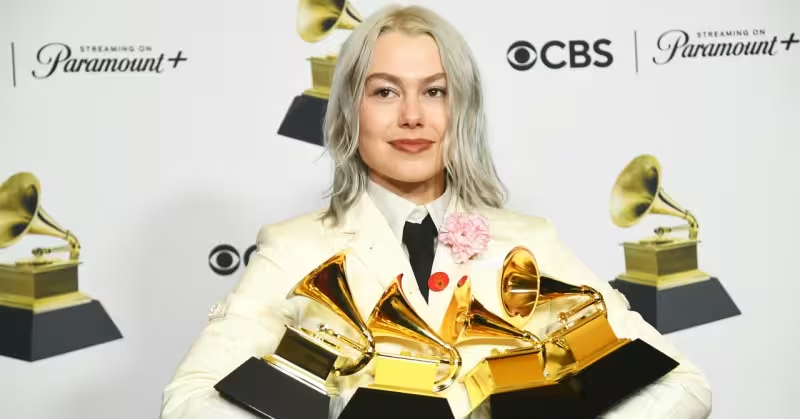
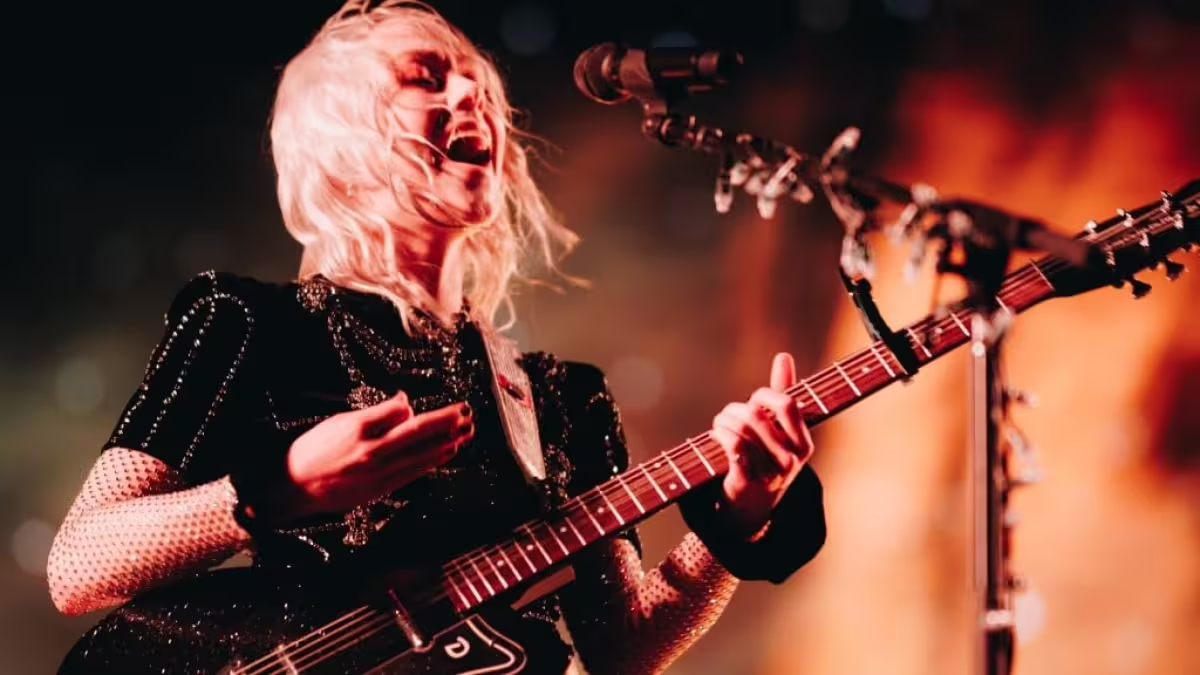
LeAnna Chase Williams drove into Lexington on May 22, waited five hours in the rain with dozens of other fans and, when the posters finally appeared, watched Phoebe Bridgers play from a couch to a crowd of about 200. Bridgers’ crew had quietly taped flyers around town; the singer showed up, performed inside The Burl and then left the same way the night began — brief, unadvertised and almost secretive.
The Lexington stop is one of nearly 20 small shows Bridgers has revealed by paper card and sudden announcements, a campaign that began on May 8 when mysterious flyers popped up in Roswell, New Mexico, for a same-day show at the Liberty — a venue that holds a few hundred people. Pop-ups followed in cities from Lubbock, Texas, to Macon, Georgia, and Thursday’s slot is the most conspicuous so far: a Madison Square Garden performance promoted the same way but backed by Tidal, with tickets listed at $1.

The Garden date comes with strict rules that underline how controlled the rollout has been. Concertgoers must stow phones in Yondr pouches and no recording is allowed, turning each performance into a short-lived, in-person event rather than a clipable internet moment. Fans have been collecting cards and photos from the scattered shows, treating each new image as a possible clue in a larger puzzle.
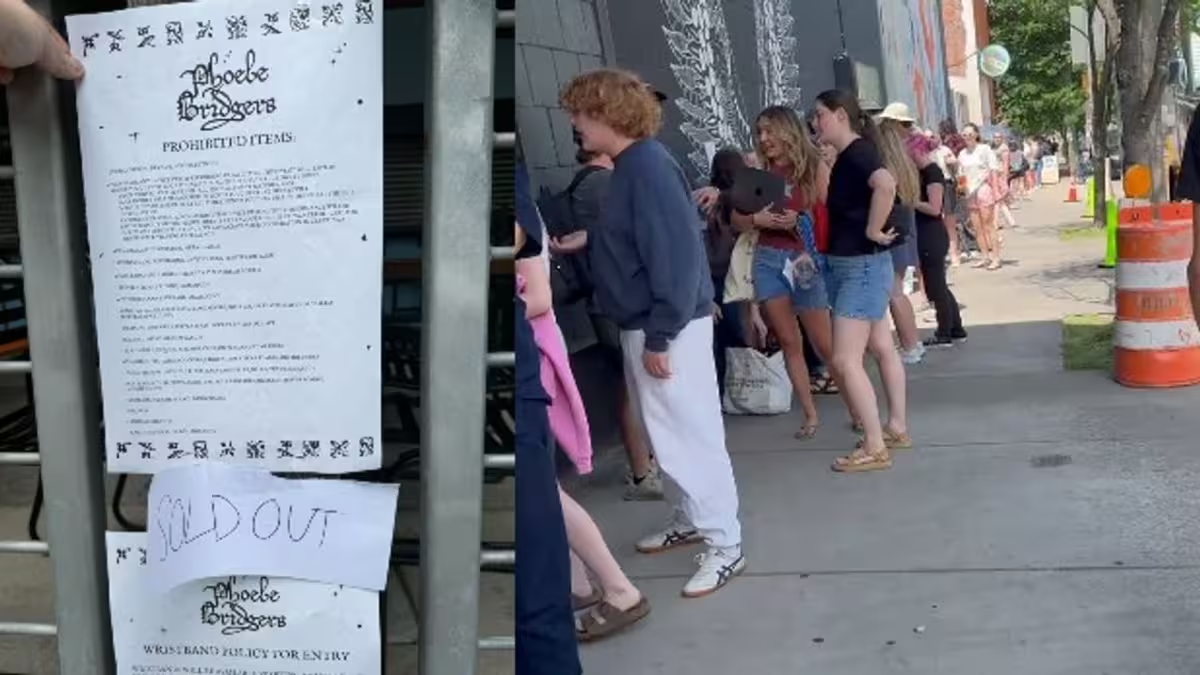
That puzzle is part choreography and part crowd work. One long-time observer summed up the effect: information has been limited and fragmented, so every new detail has felt unusually important — a surprise announcement turned into what one fan called a community detective project. Some industry voices frame the tactic differently: as musician Jesse Sachs put it, "scarcity becomes a powerful tool." The flyer strategy forces proximity; you have to be there to know.
For fans like Chase Williams, the approach is thrilling and frustrating at once. She had guessed The Burl would be a stop, showed up in the rain and saw Bridgers perform intimately in a room of a few hundred — exactly the kind of moment the flyer campaign seems designed to create. But the payoff has been limited to live experience: despite nearly 20 shows, no new recorded music has surfaced and supporters who have been asking whether Bridgers will finally release a new album — a question some have been posing for six years — still have no answer.
That gap is the campaign’s central friction. The pop-ups resist the normal internet cycle, keeping performances off feeds and leaving fans to assemble the narrative from what they can find in person. Whether the scattered cards and sold-out couches are building toward a record release or are simply a way to stage intimate shows remains unclear; organizers have neither confirmed a larger plan nor released studio tracks at these stops.
Thursday’s Madison Square Garden show will reveal how far Bridgers intends to push that model. If the goal is to convert scarcity into headlines and memory rather than to announce a new album, she has already succeeded: fans have traded clues, chased flyers and reshaped touring into a limited-access ritual. If the goal was to signal new music, the rollout has not — at least yet — delivered. After the Garden performance, fans will still be left with the same question that started them on this hunt: was this a prelude to a record, or simply a new way to perform one?



