



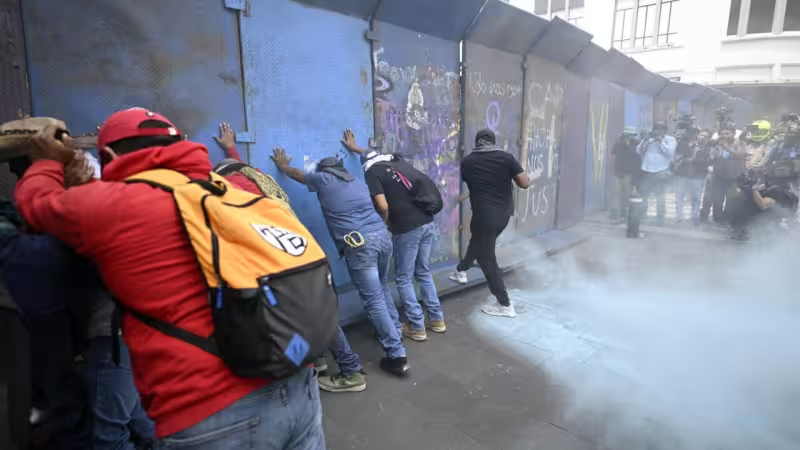
With six days left before the FIFA World Cup 2026 opens, collectives of searchers and families have scheduled demonstrations and poster campaigns for June 11 in the surroundings of the Coloso de Santa Úrsula, the sprawling complex that includes the Estadio Ciudad de México.
Organizers say the actions—months in the making around the stadium—will bring missing‑person flyers and large poster installations into public view. For months before June, search collectives and families gathered around Estadio Ciudad de México to place flyers and make graffiti, signaling a build‑up to the inauguration day mobilization.

The scale of the demand is precise: the groups want the World Cup’s global spotlight to press Mexican authorities on what they call a national emergency, one measured in more than 130,000 people reported missing. The parents of Ana Amelí García, who disappeared in the Ajusco in July 2025, joined a February call for a peaceful national demonstration on the day the tournament starts.
Other high‑profile relatives are joining the effort. The parents of the 43 disappeared students from Ayotzinapa have planned protests during the World Cup period, folding their long campaign into the opening‑week visibility that host cities will receive from tourists and international media.
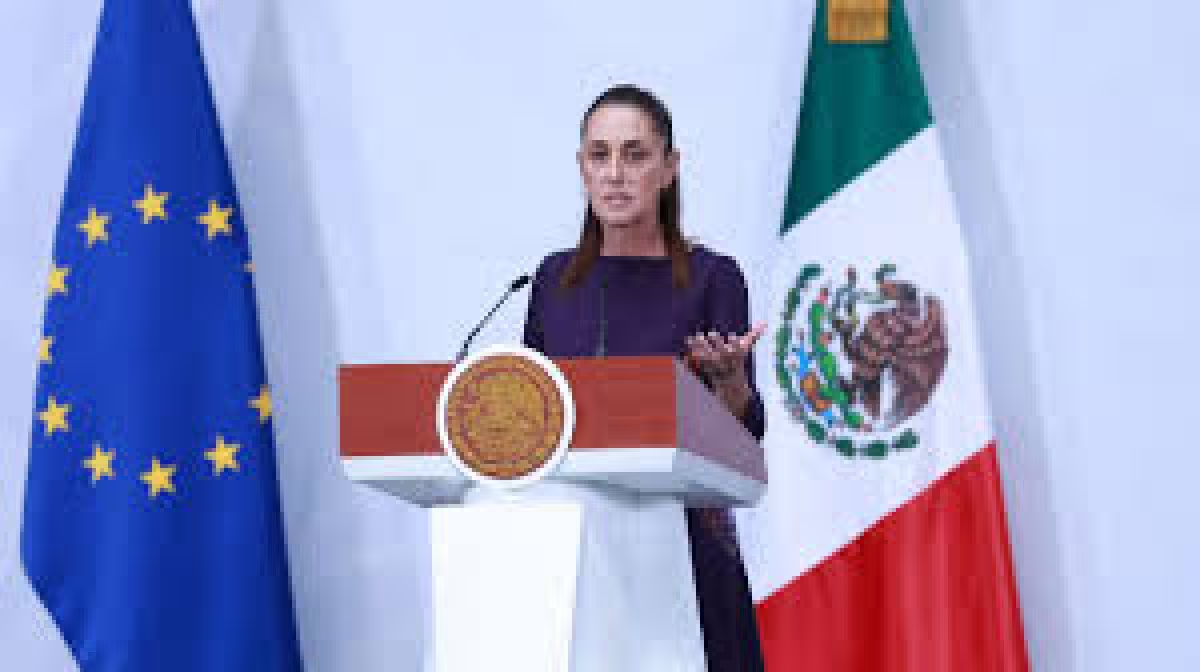
The push predates a recent United Nations report on forced disappearance in Mexico; organizers had prepared poster campaigns and street work before the U.N. published its findings. At the same time, the president has pushed back on characterization of the crisis—Claudia Sheinbaum denied that Mexico’s disappearances crisis is a crime against humanity, a statement that sharpens the gulf between searchers’ demands and official framing.
Search groups insist they are not opposed to the World Cup or to visitors; their argument is tactical. By staging actions on June 11 they aim to use the influx of attention to force a conversation authorities might otherwise sideline. That positioning creates a tension: the demonstrations are explicitly about visibility, yet their planners say they do not intend to disrupt fans or the tournament.
Practical details for the opening week are still thin. The planned actions are concentrated around the Coloso de Santa Úrsula and its environs; the June 11 date is fixed. Beyond that, there is no public list of how authorities will manage crowds, placards or the poster campaigns, and no confirmed account of whether organizers will coordinate routes or security with municipal officials.
The central question heading into the inauguration is concrete: will officials police, permit or engage with the demonstrations framed to run alongside the World Cup’s opening day? The answer will determine whether the mobilization becomes a global news moment for victims’ families or a contested scene managed out of sight. What happens on June 11 will show whether visibility alone is enough to force policy changes—or whether authorities will blunt the spotlight the searchers are trying to create.



