



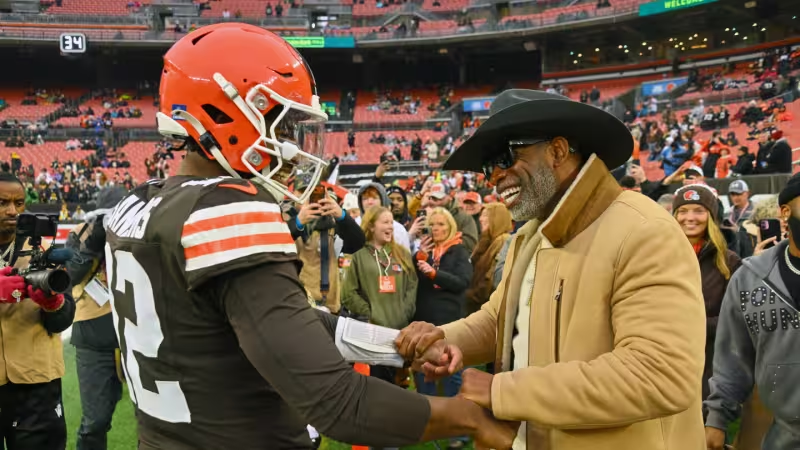
Deion Sanders pushed back this week on a persistent assumption about his son: the record $17.7 million NFLPA royalty payment listed in the union’s Department of Labor filing was not the result of jersey sales, the Hall of Famer told Front Office Sports, calling it "a tremendous deal with the NFLPA" and adding, "I don’t know if people really dug into that."
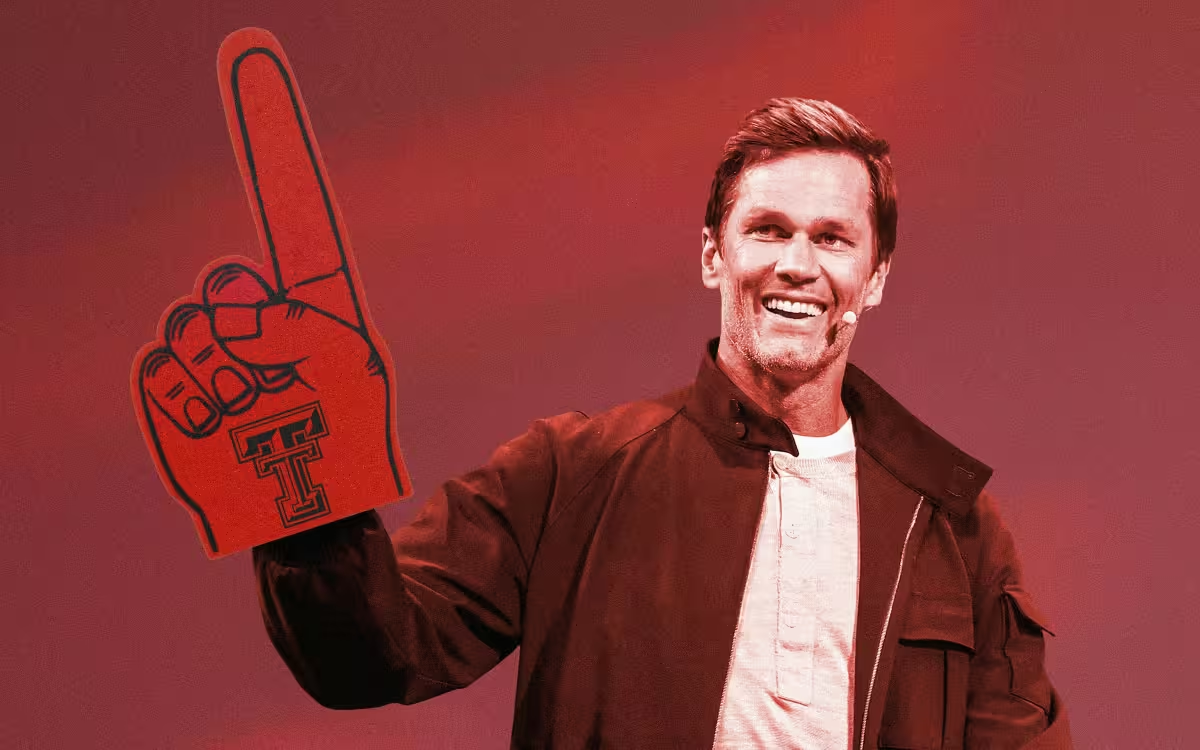
The filing shows Shedeur Sanders earned $17.7 million in group licensing income in his first pro season, a one-year total that shatters Tom Brady’s prior mark of $9.5 million set in the 2021–22 season. The payment was recorded under Sanders’ limited liability company, SS2Legendary, in the NFL Players Association annual report.

The size of the payout makes the point quickly: Sanders’ slotted average annual salary after being selected 144th overall in the fifth round of the 2025 draft was $1.005 million, yet his group licensing take dwarfed his on-field contract. That contrast is the clearest reason the number grabbed headlines as soon as the union’s filing hit this week.
Group licensing, as the NFLPA report makes plain, covers deals that involve six or more players. It can include jerseys, trading cards, video-game appearances and other collectibles; it does not include individual endorsement contracts like Sanders’ separate deals with Gatorade, Delta Airlines, Beats by Dre and Ralph Lauren, which are reported outside the union’s group-licensing totals.
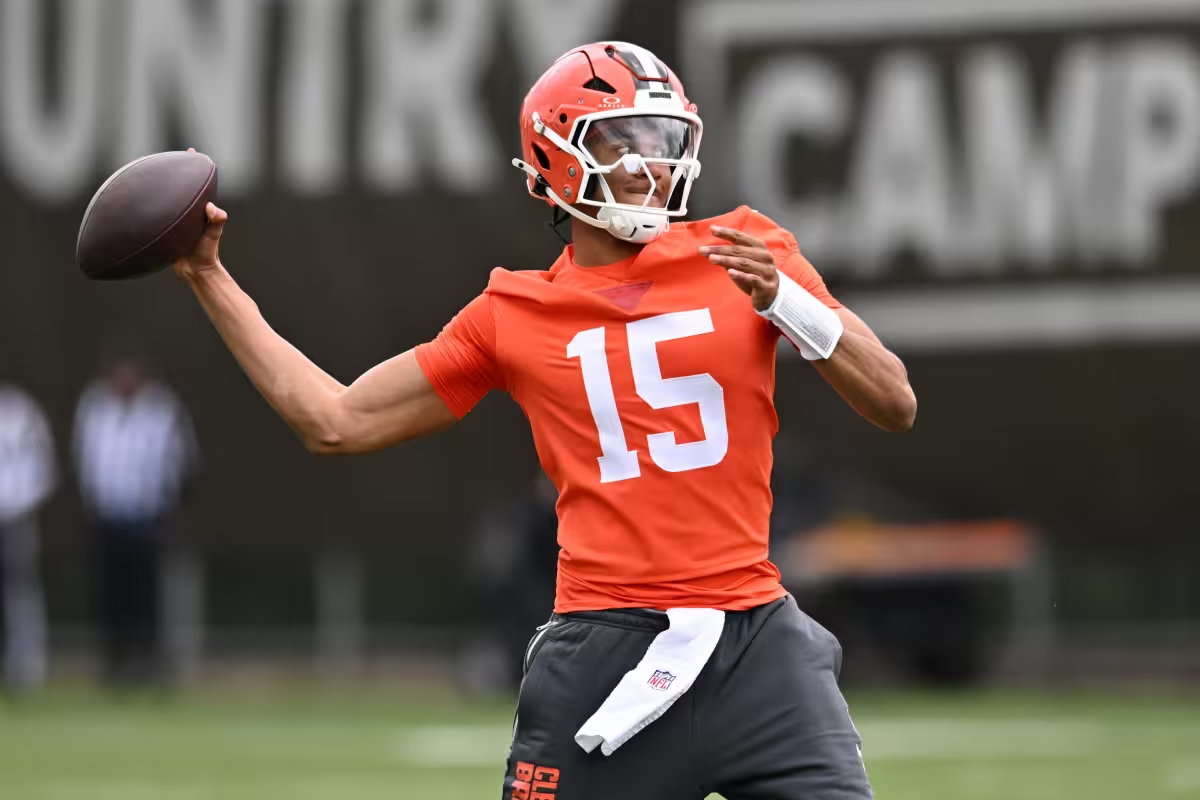
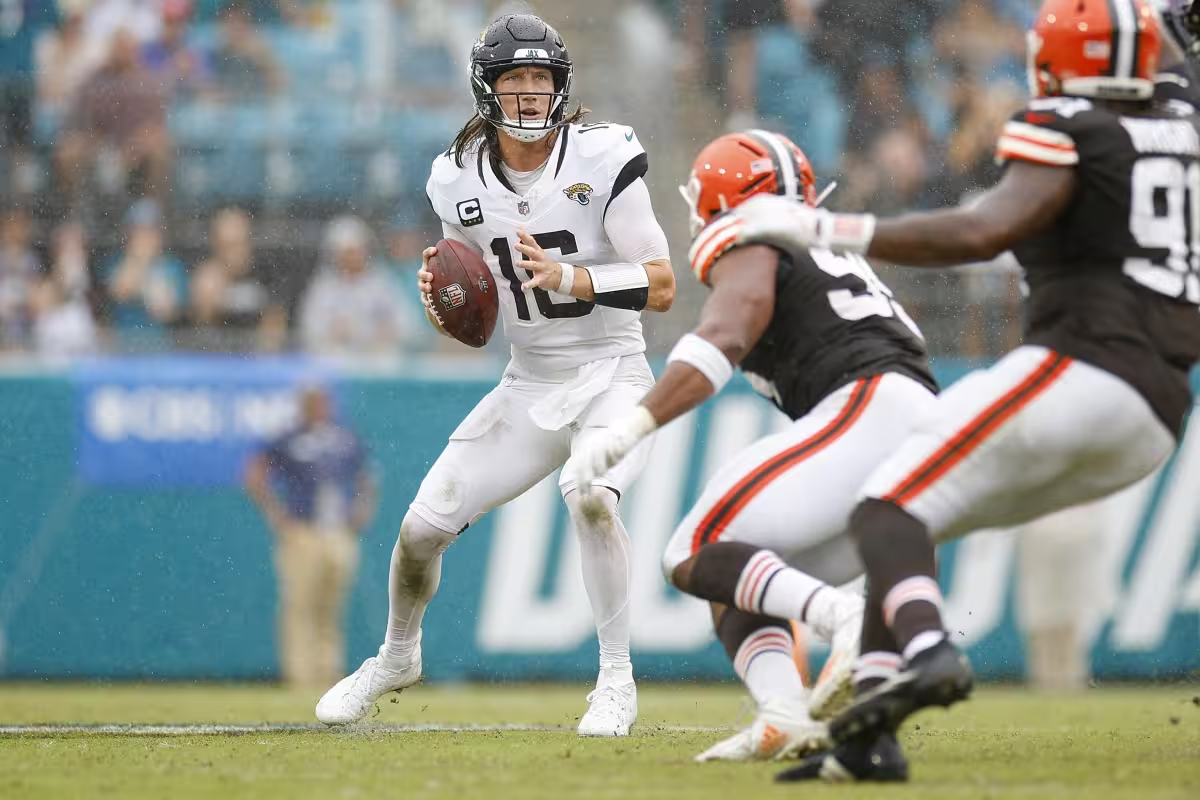
The friction is specific and immediate. Much of the public and some coverage tied the $17.7 million to jersey movement — the simplest narrative for a rookie suddenly seeing his name on retail racks. Deion Sanders rejected that account. He described the payment twice as "a tremendous deal" and insisted the structure was with the NFLPA, not a direct jersey-royalty windfall.
That pushback does not erase competing explanations. Deion had previously mentioned licensing and cards as sources, and others point to trading-card packages as the likeliest engine behind the payout, including deals negotiated before Sanders fell to the fifth round. The union’s group-licensing category is broad; a high-value, multi-player trading-card program could plausibly produce a seven-figure share for one name in the right circumstances.
Still, the disclosure raises questions about how the economics of group licensing now operate when applied to a single rookie. The NFLPA annual report also shows group licensing revenue surged last season, a trend that helps explain how a newcomer could leap past an established star’s record. Yet the report’s numbers and the LLC routing stop short of naming the specific package that generated the $17.7 million for SS2Legendary.
What remains unresolved — and consequential — is which exact NFLPA licensing arrangement produced that figure. The filing establishes the amount and the vehicle; it does not itemize the contracts, the counterparties or the mechanics that turned the union’s group licensing pool into a record payment for a player who slipped to the 144th pick. That unanswered detail is the narrative’s hinge: it will determine whether the payout is read as an outlier, an example of a trading-card market outsize payoff, or evidence that group licensing itself is reshaping rookie earnings.
For now the headline is clear: Shedeur Sanders logged a $17.7 million NFLPA royalty that more than doubled Brady’s one-year mark, and his father says it came from "a tremendous deal with the NFLPA," not jersey sales. The next move belongs to the NFLPA and Sanders’ camp — the specifics of the licensing package are the single, concrete fact still missing from the story.



