



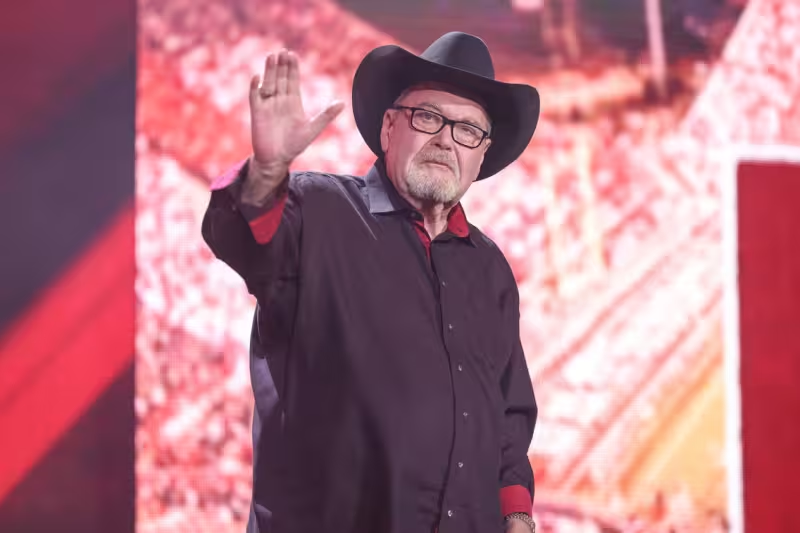
Jim Ross, 74, said this week that neurologists are monitoring him for possible dementia or Alzheimer’s disease after a series of neurological tests and blood work. Ross told listeners on his podcast that his neurologist reviewed recent results and ordered additional evaluations, and that doctors “took a bunch of blood, ran some tests.”
Ross said the appointment with his neurologist was a positive one and that specialists are now running more exams. He made clear there is no official diagnosis: doctors are worried about dementia or Alzheimer’s, he said, but he has not been given a formal finding. Ross added that he feels fine now and is willing to take preventive medication or undergo therapies if doctors recommend them.

The timing brings an immediate audience-facing question: Ross was scheduled to be in New York City on Sunday to provide commentary for AEW’s Double or Nothing pay‑per‑view. He said he is being used on a limited basis by the promotion for big matches, a role he described as keeping him “fresher” while allowing him to address his health.
Numbers and recent events underline why this matters. Ross is 74. He and Jerry Lawler appeared together at Motor City Comic Con in Detroit last weekend; Ross described their turnout there as the largest they have had at a convention. He also battled colon cancer in 2025, a medical history he has discussed publicly, and has faced other health issues over the years.
On his podcast, Ross pushed back against alarmism while acknowledging the doctors’ concerns. He said the specialists are worried about cognitive decline and that he asked, essentially, what can be done about it. He told listeners he is open to preventative measures: if there are medicines he should be taking, “tell me what they are and I’ll do it,” he said, and added that he plans to follow medical advice as tests continue.
That contrast—between the experts’ caution and Ross’s upbeat readiness to keep working—frames the tension in the story. Medical teams are escalating evaluations; Ross insists he feels great and intends to keep taking on selective assignments. He summed up the practical balance: being used sparingly by AEW makes it easier for him to manage health care and continue appearing at major events.
The next steps are procedure-driven. Ross said his neurologist ordered additional testing after reviewing results this week, and he is in the midst of those examinations now. He repeatedly emphasized there is not an official diagnosis, and that the process is about ruling things in or out. He also repeated that he had a very positive appointment with his neurologist and that other doctors “are getting in on it.”
What happens next for Ross will be shaped by test results and clinical judgment. If specialists find indications of cognitive decline, preventive medication or therapies could be recommended—measures Ross says he will accept. For the immediate future, his schedule remains the practical bellwether: whether he keeps his planned AEW commentary duty in New York this Sunday will be watched closely by fans and colleagues alike.
Through it all, Ross sounded like the counterpoint to the kind of worry his doctors expressed: he told listeners he doesn’t feel bad at all and that, while aging is no joke, he intends to keep working as he can and address any ailments head‑on. “Getting old is a bitch,” he said, and then added that the testing now at least gives him a chance to get those ailments addressed.



