
























Uk on a Knife-Edge: Starmer’s Caution, RAF Defensive Flights and a Short Trump Call Leave Key Risks Unresolved

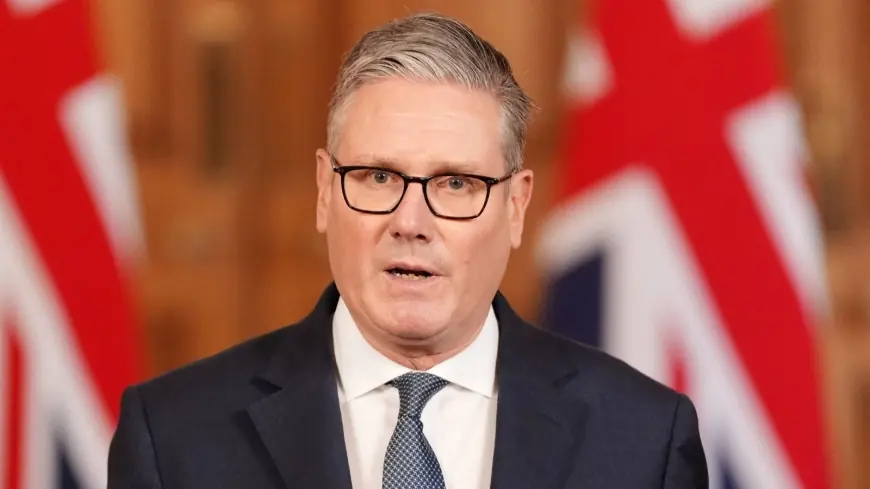
The immediate risk environment for the Uk has expanded: Sir Keir Starmer has emphasised a narrowly defensive posture while the government tries to shield citizens and facilities, leaving questions about escalation, the economy and domestic politics. The Uk stance — defensive RAF missions, a brief White House-instigated call between Donald Trump and Starmer, and refusal to join the strikes — matters because uncertainty now sits over security for British nationals, supply routes and political cohesion.
Uk risk and uncertainty: who feels it first and why it matters
Here’s the part that matters: British citizens in the Middle East, global energy markets and the political centre ground are already feeling strain. The Foreign Office has activated its Register Your Presence system so the government can locate and contact Britons in many Middle Eastern countries. Thousands have been stranded after Iranian strikes forced airports to close, including in Dubai and Doha, and there are fresh concerns about blockages to the Strait of Hormuz — a vital artery for trade and oil shipments — with possible knock-on effects for inflation, interest rates and fuel costs.
It’s easy to overlook, but the combination of defensive military posturing and limited political endorsement of the US-Israeli strikes leaves contingency planning in the spotlight: the UK is protecting allies while signalling it did not take part in those first waves of attacks, and the margin for miscalculation is small.
What actually happened: phone call, posture and defensive flights
The White House instigated a brief phone call between US President Donald Trump and Prime Minister Sir Keir Starmer; Downing Street’s public readout said they discussed the situation in the Middle East. Starmer repeated longstanding condemnation of Iran and its recent retaliatory actions against Israel and several Gulf states that host US bases, and he stressed that British warplanes currently airborne were operating in a defensive capacity and within international law.
The government says the UK did not participate in the first waves of strikes and has no immediate intention of doing so. RAF fighter jets are described as "in the sky today" to protect allies from retaliatory strikes, running defensive operations from Qatar and Cyprus to shoot down incoming drones and missiles.
Deployments, bases and the limits of involvement
Deployments have been increased: last month RAF Typhoons moved to Qatar to protect al-Udeid airbase and other allied facilities, and an extra six F-35s plus added air-defence, radar and counter-drone systems were sent to RAF Akrotiri in Cyprus, from where they could protect Israel, Jordan or other regional partners. British forces are present in small numbers at several bases across the Gulf.
Britain declined earlier requests to allow US use of RAF bases in Diego Garcia and Fairford earlier this month, and it is understood British airbases were not used by the US air force for the initial strikes. Ministers limited public detail about which facilities are being defended; the Ministry of Defence would not specify locations beyond the broader deployments already announced. The prime minister chaired an emergency Cobra meeting earlier on Saturday to consider the response.
Domestic politics, public safety and diplomatic tightropes
Domestically, reactions split along familiar lines. Conservatives and Reform UK accuse Starmer of sitting on the fence and failing to offer sufficient support to America, including by not making British bases available. The Liberal Democrats and the Scottish National Party have expressed scepticism about the US strikes. Starmer is under pressure from the left to condemn the strikes as illegal and from the right to give wholehearted backing, while Labour remains sensitive on military intervention because of the party’s history with the Iraq war.
Starmer has been careful: he did not directly back Trump’s decision but accepted the stated rationale, urged Iran to end its weapons programmes and cease violence and repression, and stopped short of calling for regime change. The defence secretary has said the terror threat is under review.
As a side note on the wider political calendar, the prime minister’s year has already featured intense domestic controversies — the Epstein files and Lord Mandelson were noted points of difficulty — and international events such as situations in Venezuela and Greenland add to the sense of a turbulent start to 2026.
Signals, stakes and short takeaway bullets
- US and Israeli campaign is described as aiming at regime change and targeting nuclear and missile sites; the UK has limited its public position to opposing an Iranian nuclear weapon.
- Iran launched immediate counterattacks across the region, including strikes on Israel and Jordan and on US bases in Bahrain, Qatar, the UAE and Kuwait; British forces are present at those bases in small numbers.
- British nationals in Bahrain, Kuwait, Qatar and the UAE were advised to shelter in place; travel to Israel and Palestine is advised against.
- Questions remain about economic fallout if the Strait of Hormuz is disrupted; three ships were attacked near the strait, adding to fears of oil-price effects.
- Short-term political signal: the Prime Minister has been in contact with partners and joined a joint statement with France and Germany saying the UK did not participate in the strikes while remaining in touch with the US, Israel and regional allies.
The real question now is whether defensive posture and diplomatic caution will be enough to prevent further escalation or whether the uncertainty will force harder choices. The bigger signal here is that the Uk has chosen to shield allies and citizens while drawing a clear line on participation — but that line comes with significant domestic and geopolitical risk.
What’s easy to miss is that alongside these security developments there were other, more mundane public moments — Catherine shared a first message entirely in Welsh for St David’s Day — a reminder that national attention is being stretched across many fronts.