
























iPhone 18 Pro Max: Early expectations, likely timeline, and the upgrades that matter most

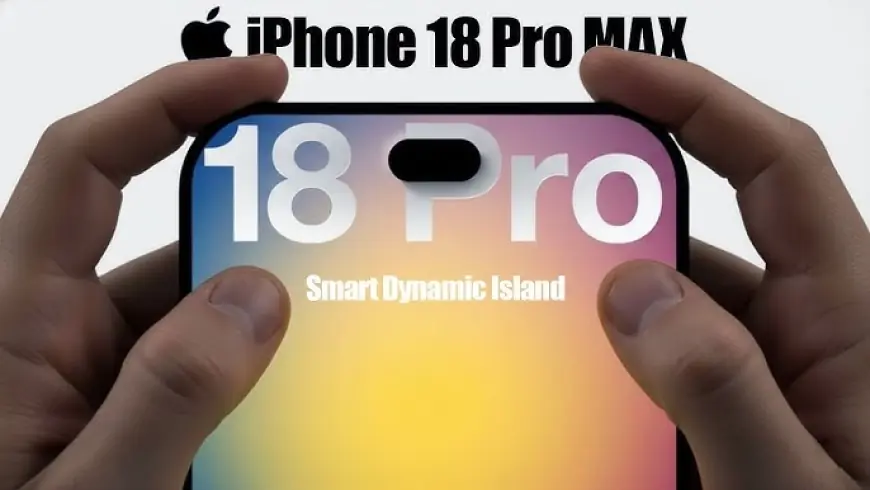
The iPhone 18 Pro Max is already the subject of intense pre-launch attention, even though it has not been announced and its final specifications remain unconfirmed. What can be said with confidence, as of March 1, 2026, is the shape of the decision tree buyers face: whether to hold off for the next flagship cycle later this year, and which rumored changes would actually alter day-to-day use rather than simply move numbers on a spec sheet. For most people, the tipping points will be battery endurance under heavy camera use, the practicality of any new camera hardware, and whether the next generation of on-device intelligence features runs faster and more privately without leaning as hard on cloud processing.
The window that matters is the late-summer to early-fall launch corridor that has become typical for flagship iPhone releases. If that pattern holds again, the iPhone 18 Pro Max would land in that period in 2026, with availability shortly after. That is not a promise—product calendars can shift—but it’s the reference point shaping carrier promos, accessory timelines, and the quiet internal deadlines that ripple through the supply chain.
iPhone 18 Pro Max release timing: why the calendar shapes the phone itself
A flagship schedule is more than marketing theater; it dictates the engineering trade-offs. The closer a company gets to mass production, the less appetite there is for last-minute changes that could disrupt yields or complicate quality control. That’s why “late-stage” rumors tend to converge on incremental improvements, while the most dramatic ideas—major industrial redesigns, radical new camera layouts, battery chemistry leaps—often get pushed to a later cycle if they threaten reliability.
For buyers, the practical implication is straightforward. If your current phone is stable and you’re mainly chasing better photos, stronger battery life, and a faster feel in everyday apps, waiting can make sense because those are precisely the areas that benefit from year-over-year tuning. If your phone is failing—battery health collapsing, overheating, storage full—then a purchase now is often the rational move, because the opportunity cost of months of frustration is real, and the next model’s headline upgrades are not guaranteed until the company says so.
Watch the signals that tend to precede a launch: tightening accessory leaks around case dimensions, unusual pricing behavior in the prior generation, and carrier incentives that suddenly become more aggressive. None of those confirm a device, but together they can suggest when the market is preparing for turnover.
Camera and display changes: where “Pro Max” usually earns its name
The Pro Max label historically carries two kinds of advantages: the best camera hardware and the most forgiving physical space for heat management and battery. If the iPhone 18 Pro Max follows that tradition, expect the camera story to focus on consistency rather than gimmicks—better low-light results without the smeared look of over-processed images, more stable video in motion, and fewer missed shots when lighting changes quickly.
There are a few plausible directions for meaningful camera progress. One is a larger main sensor or improved sensor architecture that captures more light without needing aggressive sharpening. Another is a telephoto upgrade that makes the “zoom camera” less of a specialty tool and more of an everyday lens, especially indoors where small sensors struggle. A third is computational photography that looks less “computed”—more natural skin tones, smoother highlight roll-off, and better texture in hair and fabric. The irony is that the best camera upgrade often looks like nothing happened at all; it just produces reliable images in the messy lighting conditions people actually live in.
On the display side, major headline changes are less common than subtle refinements: improved brightness efficiency, better outdoor legibility, and touch responsiveness that feels instant. If there is a bigger display story, it would likely be tied to power savings—squeezing extra battery life out of the screen, because the display is one of the largest everyday drains.
Performance, on-device intelligence, and battery: the real battleground for 2026
For the iPhone 18 Pro Max, performance won’t be judged by benchmark spikes alone. The more decisive question is how much work the device can do locally—fast—without spiking heat or battery drain. That matters because the industry is pushing harder into features that feel like “intelligence,” and those features are only delightful when they’re immediate, private, and reliable offline.
If the next flagship cycle brings a stronger focus on on-device processing, the winners will be the people who use their phones as a camera, a communicator, and a work machine all day: faster photo processing after bursts, cleaner voice isolation, smarter search across personal content, and more responsive assistance features that don’t hesitate. The losers, if the balance is wrong, are users who end up with a phone that runs impressive demos but drains quickly or warms uncomfortably during routine tasks like navigation, video calls, and extended shooting.
Battery will remain the most important “feature” that isn’t marketed as a feature. The Pro Max size gives engineers leverage: more physical capacity, more room to spread heat, and more opportunity to run a powerful processor at sustained speeds without throttling. The most credible battery gains typically come from a bundle of small wins—more efficient display behavior, better power management, incremental silicon efficiency—rather than a single miracle cell. If you’re deciding whether to wait, ask yourself one question: do you routinely end your day under twenty percent? If yes, you’re exactly the user the iPhone 18 Pro Max is designed to win back.
What buyers should watch next: pricing pressure, storage tiers, and trade-in math
Even before an announcement, the iPhone 18 Pro Max story is shaped by economics. Premium phones are no longer sold purely as objects; they’re sold as monthly payments, trade-in credits, and upgrade programs. That means the “price” is often less about the number on a slide and more about the financing incentives that appear in the first two weeks after launch.
There are a few realistic scenarios that would change the buying calculus. One: the new model arrives with a storage bump at the entry tier, effectively lowering the cost per gigabyte and making the upgrade easier to justify for camera-heavy users. Two: trade-in values for recent Pro models remain strong, creating a narrow window where upgrading costs less than expected. Three: supply is tight early on, and discounts shift later—good for patient buyers, frustrating for early adopters.
If you’re planning around real life rather than hype, set your decision triggers now. If the iPhone 18 Pro Max delivers a clearly improved telephoto experience and a noticeable battery gain under camera use, it’s a meaningful upgrade for travelers, parents, and anyone who shoots a lot of video. If the changes are mostly cosmetic or centered on features you won’t use, the smarter move may be to buy the best current model at a discount and keep it longer.
The iPhone 18 Pro Max, in other words, will be judged less by novelty than by whether it removes friction: fewer charging compromises, fewer missed shots, fewer moments when the phone feels like it’s thinking too hard. Until official details arrive, the most honest stance is cautious: the stakes are clear, the incentives are obvious, and the next few months will reveal which upgrades are real—and which are just noise.