
























Alireza Arafi: Three U.S. Service Members Killed as Strikes Damage Tehran Hospital and Beit Shemesh

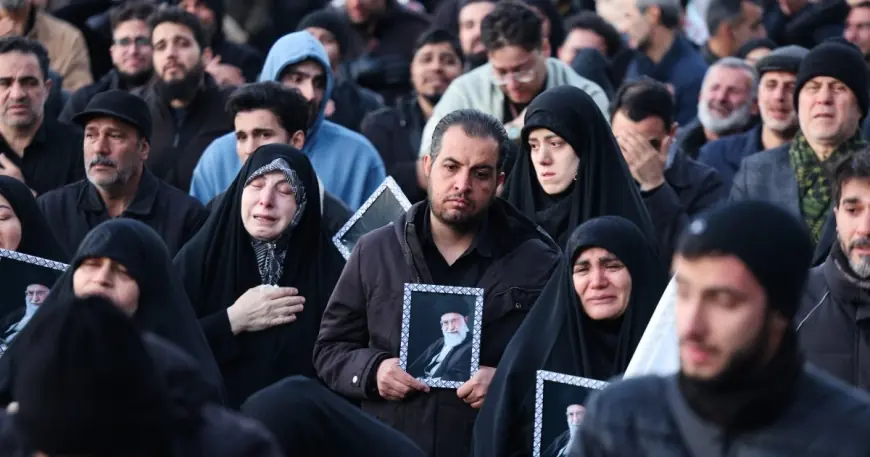
Three U. S. service members were killed and five others seriously wounded in the latest exchanges, and the same round of strikes damaged a Tehran hospital and left neighborhoods near Beit Shemesh in ruins. The name alireza arafi appears in the assignment instructions but its relevance is unclear in the provided context.
U. S. military statement on casualties
The U. S. military confirmed that three service members were killed in action and that five additional service members were seriously wounded, issuing the figures Sunday. Those losses arrived amid a broader pattern of strikes across the region that have produced both military and civilian harm.
Beit Shemesh strike leaves heavy damage and civilian deaths
In the Israeli city of Beit Shemesh, about 200 people were at the site of a strike, including police officers and first responders, when crews arrived. Heavy equipment such as bulldozers was on scene; those operators focused on securing the area, calming onlookers and collecting forensic evidence and witness statements rather than searching for survivors. About a dozen houses near the blast showed heavy damage, with doors and windows blown open and rubble and broken tile scattered in the streets.
Israel’s emergency service, Magen David Adom, put the civilian toll at least nine killed and 28 taken to hospital. An Israeli military search and rescue spokesperson at the scene characterized the damage as evidence that Iran was targeting civilians and emphasized that there were no military bases or command centers in the vicinity.
Flight disruptions and closed airspace
Flight disruptions continued across the Middle East as multiple airports remained closed amid the escalating conflict. Aviation analytics firm Cirium found that more than 1, 500 flights scheduled to fly to destinations in the Middle East were cancelled on the day of the strikes. Israel’s airspace was closed to civil aviation, and some major international carriers announced the suspension of services while airports and airlines across the region reported shutdowns.
Amazon Web Services data center in the United Arab Emirates knocked offline
Amazon Web Services said a data center in the United Arab Emirates was knocked offline after the facility was impacted by objects that struck the data center, creating sparks and fire. The fire department shut off power to the facility and the generators as crews worked to extinguish the blaze. AWS said it was awaiting permission to restore power and that bringing the data center back online could take several hours.
Alireza Arafi and damage to Tehran’s Gandhi Street hospital
Israeli strikes hit a hospital in Tehran’s Gandhi Street area, two witnesses told, saying the hospital was badly damaged and that patients were being taken out. NBC News verified video showing extensive damage to a hospital building in Tehran: windows were blown out and debris littered the streets. Witness images showed people watching from rooftops as a plume of smoke rose from a strike in Tehran; one photograph was credited to Vahid Salemi of the. The precise connection of alireza arafi to any of these events is unclear in the provided context.
Calls for diplomacy from Oman’s foreign minister
Oman’s Foreign Minister Badr al-Busaidi renewed a push for diplomacy, saying that peace remains possible and urging a return to talks. He noted that negotiations in Geneva had advanced toward an unprecedented agreement between Iran and the United States and warned that the weekend’s attack had undermined ongoing negotiations. He cautioned that both U. S. and global interests could suffer if military operations escalate and said the sooner talks are resumed the better it is for everyone.
What makes this notable is the geographic spread of immediate civilian and infrastructure impact—from a hospital in Tehran to residential streets in Beit Shemesh and critical cloud infrastructure in the United Arab Emirates—highlighting the conflict’s rapid reach and the logistical disruptions rippling across international travel and services.