
























Bitcoin Atm Ban Push in Minnesota Centers on Seniors and Rural Communities Hurt by Repeated Kiosk Scams

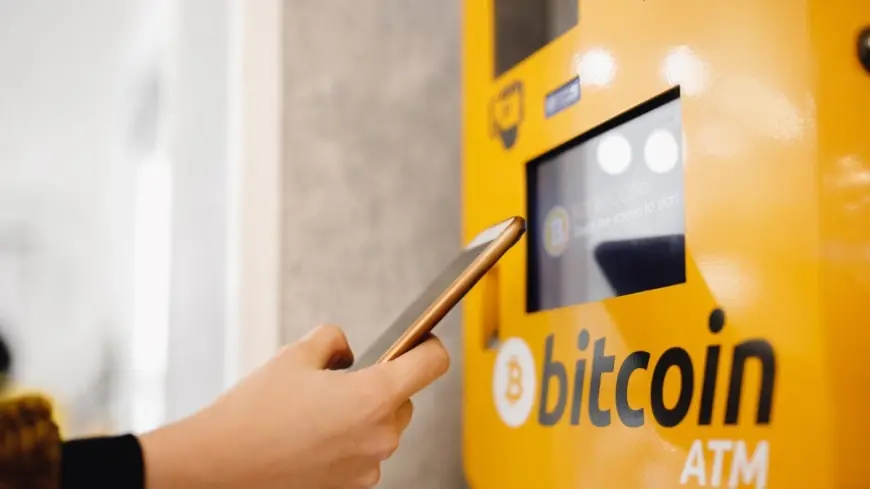
Minnesota’s most immediate victims are older residents and small-town households whose incomes are being drained by persistent kiosk fraud. The debate over a proposed statewide ban on physical machines has shifted the focus from abstract tech policy to concrete harms: repeated bitcoin atm transactions have left people short on rent, food and basic security, prompting lawmakers and police to press for sweeping action.
Who feels the impact first: bitcoin atm victims and local economies
Law enforcement testimony paints a picture of individuals hit hardest: a senior who repeatedly used a kiosk at a gas station, another victim on a fixed income who routed roughly half her monthly earnings into repeated transactions over six months, and communities where cumulative losses are measured in hundreds of thousands of dollars. Officials warn many incidents go unreported, and police say scammers use emotional pressure to sustain long-running frauds that extract large shares of household income.
What lawmakers have put forward and how it alters the rules
House File 3642, sponsored by Representative Erin Koegel, was presented to the House Commerce Finance and Policy Committee with backing from local police and the Department of Commerce. The measure would ban operation of physical virtual currency kiosks that accept cash or debit cards for instant purchases and would repeal the regulatory framework enacted in 2024. That prior framework had required operators to post warnings that cryptocurrency is not legal tender and transactions are irreversible, capped new customers at $2, 000 per day if accounts were held less than 72 hours, and allowed refunds when victims contacted both the company and law enforcement within 14 days.
Scenes and statistics from the state record
Commerce Department lawmakers the department logged 70 complaints in the past year that totalled $540, 000 in losses, and that scammers often coach victims to use other people’s accounts or kiosks across state lines, including Wisconsin, to defeat protections. Faribault law enforcement flagged more than $500, 000 in losses locally since 2022 and judged that figure to represent roughly 25% of actual incidents because of underreporting—an estimate that, when extrapolated, was described as money no longer circulating in rural communities.
Industry response and the broader national pattern
Operators push back against a ban while acknowledging the scam problem. Representatives of a major kiosk operator noted the thefts and said banning a legal product is inappropriate; one operator was said to run about 50 kiosks in the state even as regulators list roughly 350 licensed machines across eight to ten companies. Nationally, recent legal and regulatory moves mirror Minnesota’s concerns: a state attorney general sued a kiosk operator alleging facilitation of scams that produced more than $10 million in local losses, internal company records flagged a rising share of scam-related transaction volume between 2023 and early 2025, and a separate nearly $2 million settlement in another state required removal of kiosks. Regulators elsewhere have opened inquiries after individual households reported losing tens of thousands of dollars, and one state committee moved legislation to license operators, set transaction limits and mandate fraud protocols after residents reported $7. 6 million in losses the prior year; advocacy groups noted that people 60 and older made up the majority of reported national losses in 2024.
- Here’s the part that matters: victims often pay repeatedly, sometimes handing over half their income, and recovery mechanics are limited once funds leave through kiosk transactions.
- Affected groups include seniors, people on fixed income, and small rural communities where cumulative losses drain local spending power.
- Signals that could confirm a policy shift: committee agreement on bill language, removal or reduction of kiosk counts, or formal settlements and regulatory actions in other states.
Legislative process, points of contention and lingering gaps
The commerce committee laid the bill over for future consideration while lawmakers across the aisle work on language they hope can pass by the end of session, motivated by consumer protection concerns. Some legislators compare a kiosk ban to past restrictions on vending machines, while others say enforcement tools are weaker than the operators’ reach and prefer stronger industry cooperation with law enforcement. Several specific incidents cited at the committee illustrated the emotional hold scammers can exert: one victim was so coerced she doubted the identity of responding officers when they were called to a kiosk by a witness. Portions of the record are incomplete or unclear in the provided context, and some testimony and data summaries cut off mid-sentence, leaving elements unresolved.
It’s easy to overlook, but the practical barrier here is how quickly funds move into wallets controlled by scammers—procedural protections exist but are routinely circumvented. The real test will be whether lawmakers draft enforceable rules that stop the cash flow without creating unintended gaps for legitimate users.