

























Albanese Supports US-Israel Strikes, Reflecting Global Shift

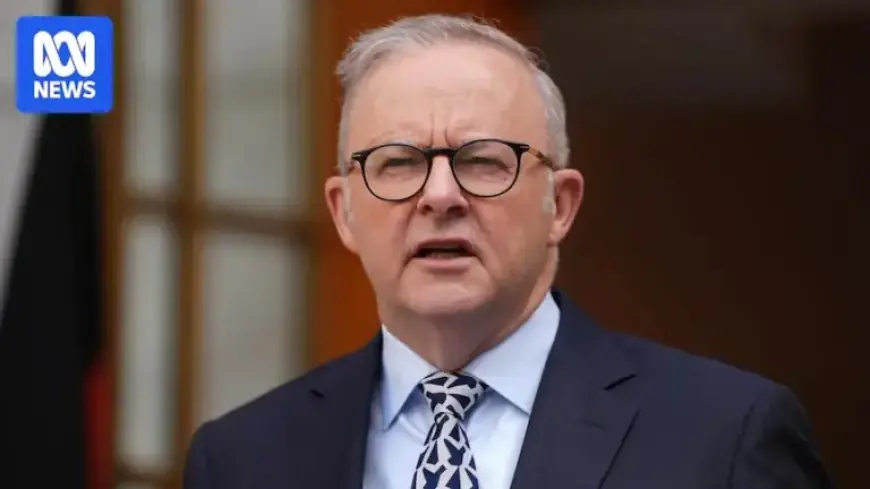
Australia’s Prime Minister Anthony Albanese has expressed firm support for recent strikes conducted by the United States and Israel against Iran, a decision that has stirred significant debate. This backing comes amid a complex backdrop of evolving international relations and domestic pressures.
Albanese’s Position on Iran’s Threat
The Albanese government argues that Iran’s nuclear ambitions pose a direct threat to global peace. Albanese stated, “We support the United States acting to prevent Iran from obtaining a nuclear weapon.” His stance is echoed by Foreign Minister Penny Wong, who affirmed that Iran’s leadership conducts repression against its citizens.
Concerns Over Domestic Security
Albanese pointed out that Iranian actions have repercussions within Australia, particularly highlighting attacks attributed to the Iranian Revolutionary Guard Corps (IRGC). In 2024, at least two incidents occurred on Australian soil, raising concerns among the Iranian Australian community, which numbers around 50,000.
- Firebombing of Adass synagogue in Melbourne
- Other orchestrated attacks aiming to instigate fear and division
These incidents have driven the Albanese administration’s commitment to a robust response in collaboration with the U.S. and Israel.
Political Reactions and Criticism
The swift endorsement of U.S.-Israel actions has not been universally accepted. Critics, including former Labor senator Doug Cameron, argue that Australia should pursue peace rather than align with military actions. Cameron criticized Albanese’s support as a capitulation to U.S. and Israeli strategies.
The Greens party also condemned the federal government’s stance, calling the action “disgraceful” and emphasizing that Australia should not engage in military operations driven by foreign leaders.
Regional Implications and Economic Concerns
Australia’s backing of military action in the Middle East raises serious economic implications. The Strait of Hormuz is a crucial maritime route for global oil supplies. Any conflict in this region could disrupt oil transportation, leading to increased prices.
As an island nation, Australia is particularly vulnerable to rising energy costs. A sustained conflict may lead to higher petrol prices, intensifying economic pressures on Australians already facing inflation concerns.
Looking Forward
The Albanese government grapples with balancing international alliances while addressing domestic economic stability. As tensions in the Middle East continue, it remains to be seen how these geopolitical events will shape Australia’s future, particularly concerning national security and economic resilience.