























Efforts Intensify to Boost Turnout: Key Figures Still Hold Sway

In the lead-up to the upcoming municipal elections, efforts are intensifying across the Netherlands to boost voter turnout. Recent statistics reveal concerning trends from the last elections, marking significant engagement challenges among the electorate.
Disappointing Turnout Statistics
The last municipal elections in Rotterdam faced a strikingly low turnout. Out of approximately 1,200 residents invited to vote in the Tarwewijk district, only 107 participated, resulting in a mere 9% turnout. This dismal figure stands out even more when contrasted with the national average, which was 51%. Rotterdam experienced an even steeper decline, with fewer than four in ten voters casting their ballots.
- Tarwewijk district turnout: 9%
- National average turnout (2022): 51%
- Rotterdam’s turnout: below 40%
- November 2022 parliamentary elections: nearly 66% in Rotterdam, 78% nationally
Local Initiative to Increase Participation
Local politicians are not solely focused on their party’s success; they are actively campaigning to increase voter turnout. Ronald Buijt, the list leader of Leefbaar Rotterdam, expressed the urgency of improving participation rates to avoid repeating past failures.
In Bergeijk, the GroenLinks-PvdA party has implemented a creative social media strategy to engage voters. They are using relatable content featuring “ordinary people” rather than politicians to inspire young voters to participate in the upcoming elections. This initiative aims to foster community connection amid rising polarization.
Role of Mayors
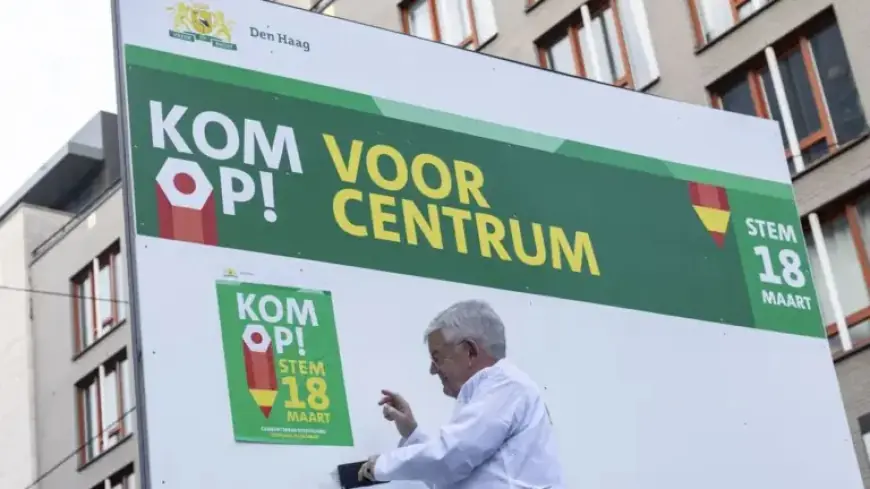
Mayors are also participating in these efforts. In The Hague, Mayor Jan van Zanen kicked off the campaign by displaying a large poster encouraging citizens to vote. Meanwhile, Carola Schouten, the mayor of Rotterdam, has dedicated her schedule to engage with voters in neighborhoods, emphasizing the importance of local governance.
Challenges to Voter Engagement
Despite the initiatives, turnout remains low. Research indicates that structural issues lead to disengagement, particularly among young people and those with practical training or immigrant backgrounds. Municipal elections allow individuals with foreign passports to vote, further complicating engagement efforts.
Understanding Voter Disengagement
Sociologist Marianne van Bochove has explored the disconnect between municipal politicians and the electorate. Her findings suggest that voters do not perceive local council members as more accessible than national figures. With many council members balancing regular jobs, they struggle to connect with the community, contributing to low engagement.
In response, local influencers are emerging as key figures in efforts to raise awareness. For example, a popular figure from The Hague, Juul, is utilizing platforms like TikTok to explain local political issues, which could significantly impact youth engagement.
Conclusion
As the municipal elections approach, the focus on boosting turnout is more crucial than ever. Local initiatives and the involvement of key figures may provide the necessary push to enhance voter participation and address the longstanding challenges of civic engagement in the Netherlands.