























“Punch Monkey Japan” Trends Worldwide as Viral Baby Macaque’s Plush-Toy Bond Sparks Crowds, Concern, and Confusion With “Punch the Monkey”

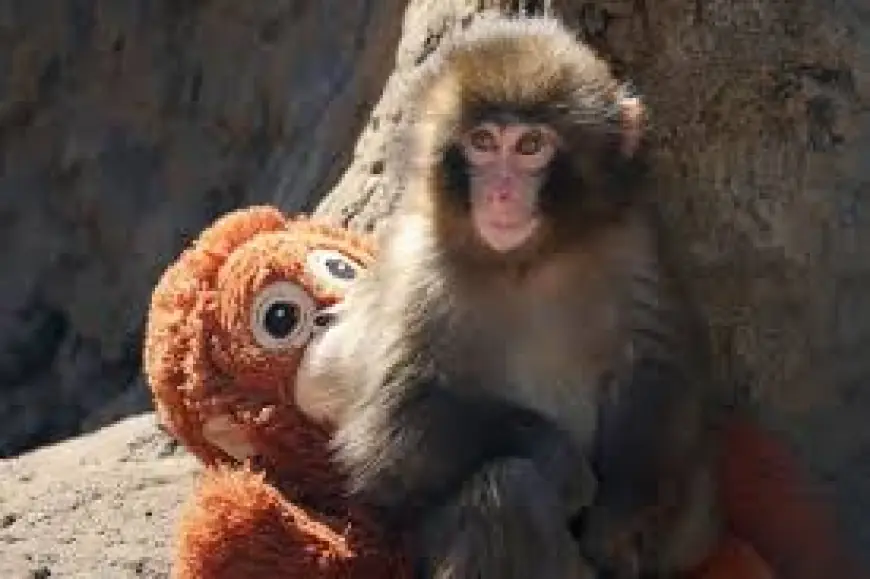
A wave of posts using phrases like “punch monkey,” “punch monkeys,” and “punch monkey Japan” has surged online this week, but the trend is widely misunderstood. It is not a call to harm animals. It centers on a baby Japanese macaque named Punch at a zoo near Tokyo whose attachment to a stuffed orangutan toy has become a global fixation—driving emotional reactions, visitor crowds, and renewed debate about how humans consume animal content online.
The story has also collided with an older pop-culture phrase, “Punch the Monkey,” which some people recognize from a niche rhythm-action video game title. That overlap has muddied searches and headlines, causing some viewers to assume the trend is about violence rather than an orphaned infant primate trying to cope.
What happened: the “Punch monkey” viral clips and why people are upset
Punch is a young Japanese macaque that was abandoned by his mother shortly after birth and raised with intensive care from keepers. As he has been introduced to a macaque troop, videos show him struggling to fit in: approaching other monkeys cautiously, getting rejected, and then retreating to clutch a plush toy that functions as a comfort object. The most shared clips include moments when adult monkeys appear to scold or jostle him as part of normal troop discipline, followed by Punch running back to the toy.
Those scenes trigger strong human instincts: viewers interpret the troop’s behavior through a human lens of bullying and protection. That response is understandable, but it can distort what’s actually happening in macaque social life, where posturing, corrections, and brief physical interactions are common as young animals learn boundaries.
Behind the headline: why a plush toy became the center of a global story
This trend has exploded because it hits three powerful drivers at once:
Context: People are primed for short, emotionally legible narratives. A baby animal, a “comfort item,” and a visible moment of rejection create an instantly shareable arc.
Incentives: Viral animal content rewards the most dramatic moments—especially those that look like rescue, conflict, or heartbreak. The clip that travels farthest is rarely the calm, uneventful hour when integration is proceeding normally.
Stakeholders:
-
Zoo staff need Punch to integrate successfully for long-term welfare, not remain dependent on humans.
-
Visitors and online audiences want to witness the “story” in person, which can increase stress for the animals if not managed.
-
Animal-welfare advocates worry about misinterpretation, sensationalism, and harassment directed at caretakers.
-
The broader public is left sorting fact from feeling in a fast-moving cycle of clips and captions.
The plush toy isn’t just cute; it is a symbol that prompts viewers to project their own experiences of comfort, loneliness, and belonging. That projection is why the story sticks—and why it can also spiral into misinformation.
“Punch the Monkey” vs. “Punch Monkey Japan”: why the search terms are colliding
A second layer of confusion is linguistic. The monkey’s name is Punch, and many people are shortening the story to “Punch monkey.” Separately, “Punch the Monkey” is also a recognizable title from an older Japan-only game release associated with a stylized, comedic franchise. As the macaque story spread internationally, the two phrases began to cross-pollinate in search results and social posts, leading some users to think the viral topic was connected to a game, a meme, or worse—animal abuse.
What matters now is clarity: the trending “Punch monkey Japan” story is about a named baby macaque and his comfort toy, not a challenge or an act of harm.
What we still don’t know
Even as the viral clips multiply, several practical questions remain unresolved in the public narrative:
-
How long Punch will keep the plush toy as he matures and gains confidence with the troop
-
Whether the most shared “rough” interactions are isolated moments or part of a consistent pattern
-
How the zoo will manage crowd size and viewing rules as interest spikes
-
Whether Punch’s integration timeline will change if public attention alters visitor behavior
These unknowns matter because they determine whether this becomes a short-lived internet moment or a sustained welfare challenge for the animal and the troop.
Second-order effects: how a cute story can create real-world pressure
The ripple effects are already visible in how quickly audiences mobilize around a single animal. The upside is attention and potential support for animal care. The downside is the “main character” effect: a complex social environment gets reduced to a hero and villains, and people demand interventions that may backfire.
In animal-management terms, the risk is that human sympathy encourages human interference—either directly through bad behavior at the enclosure or indirectly through online pressure that pushes for choices that feel emotionally satisfying but aren’t best for a macaque learning macaque rules.
What happens next: realistic scenarios to watch
-
Public interest fades within days
Trigger: The algorithm moves on, and fewer new clips surface. -
Visitor rules tighten around the enclosure
Trigger: Crowds grow, noise rises, or monkeys show signs of stress. -
Punch integrates more smoothly and the toy appears less often
Trigger: He gains allies in the troop, reducing the need for a substitute comfort object. -
The story shifts toward welfare education
Trigger: Caretakers and experts emphasize what normal troop behavior looks like and why “discipline” isn’t always danger. -
Confusion persists and the name becomes a lasting meme
Trigger: Search trends keep blending the macaque’s name with the older “Punch the Monkey” phrase.
For now, the best takeaway is simple: “Punch monkey Japan” is a viral shorthand for a young macaque’s difficult, closely watched transition into troop life—an internet story with real animals and real consequences when attention turns into pressure.