






















Tsa Precheck Disruptions Loom as Shutdown Stalemate Deepens, Noem Blasts Democrats After Potomac Emergency


The Department of Homeland Security funding stalemate has sharpened after a D. C. emergency declaration for a Potomac spill and renewed partisan attacks, with Noem publicly blaming Democrats for the lapse. The unfolding dispute elevates immediate concerns about continuity in security programs such as Tsa Precheck and the broader impact on national security.
Development details
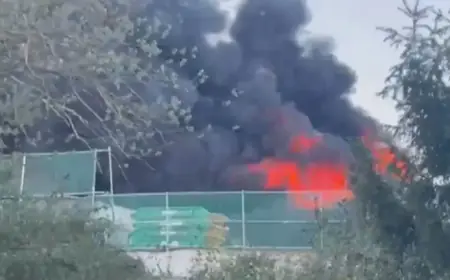
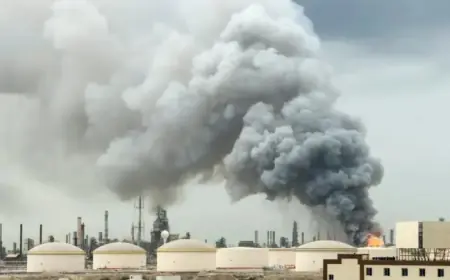
The political deadlock centers on DHS funding, with the White House and Democratic lawmakers described as digging in on their positions. That impasse has been characterized by the Department of Homeland Security as a shutdown that "dramatically hurts America’s national security, " framing the fiscal gridlock as a direct threat to core security functions. Separately, a D. C. emergency declaration was issued in response to a Potomac spill, an official action that has been seized on by critics and intensified the public dispute.
Tsa Precheck impact
While the specific operational effects on traveler screening and related programs are not enumerated in the available briefings, the convergence of a funding stalemate and a declared emergency has placed programs like Tsa Precheck into sharper public focus. The cause — an unresolved funding fight over DHS — has produced the effect of increased scrutiny on continuity of security services, as officials warn of broader harms to national security. What makes this notable is that an environmental emergency in the capital and a funding impasse have combined to shift the political argument from legislative maneuvering to tangible operational concerns.
Context and escalation
The dispute has escalated along familiar partisan lines. Political actors have framed responsibility for the funding lapse differently: some officials have emphasized the operational consequences and national security stakes, while others have amplified political accountability through public criticism. Noem has used the emergency declaration tied to the Potomac spill to target Democratic lawmakers for the funding breakdown, intensifying the rhetorical stakes of a stalemate that the Department of Homeland Security warns could carry significant security consequences.
Immediate impact
The immediate consequences are twofold: an emergency declaration has been activated for the Potomac spill, and national security has been placed at the center of the funding dispute. Those are concrete actions and claims that alter both the operational posture in Washington and the political narrative on the Hill. Travelers, federal employees tied to DHS programs, and officials responsible for emergency response are the most directly implicated parties in the short term, as the funding disagreement constrains routine planning and response capacity.
Forward outlook
The available signals point to continued entrenchment: the White House and Democrats remain dug in on DHS funding, and political attacks are intensifying. The Department of Homeland Security has framed the situation as one that dramatically harms national security, and the emergency declaration for the Potomac spill underscores the potential for near-term operational stress. The immediate calendar of formal actions is not detailed in the public headlines; what is clear is that resolution of DHS funding will be the decisive factor in whether the current disruptions and heightened security concerns ease.
The combination of a declared emergency, an explicit warning about national security, and persistent partisan stalemate creates a high-stakes environment where operational programs such as Tsa Precheck are now part of the public scrutiny surrounding funding decisions.