

















Paddy Power: Igor Tudor to Cross the North London Divide as Micky van de Ven Addresses Thomas Frank Exit Ahead of Derby

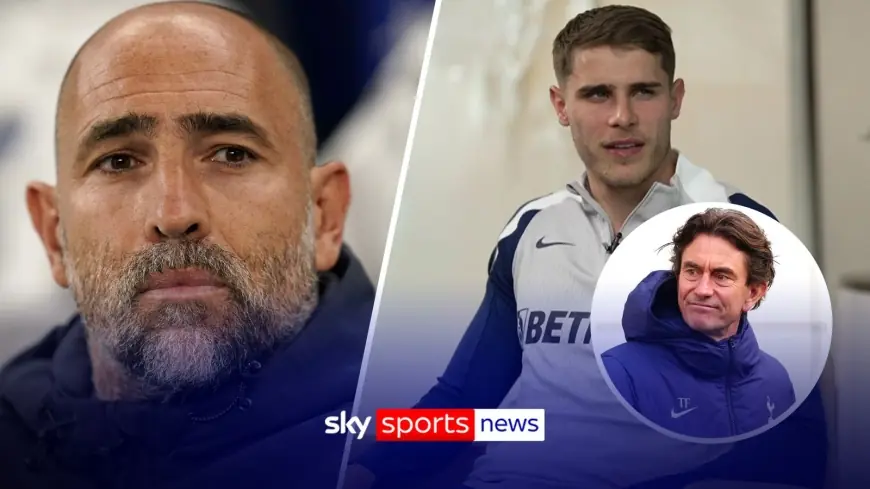
paddy power is the designated keyword for this article. Igor Tudor will manage his first match for Tottenham in the North London derby, a fixture framed by comments from Micky van de Ven on the exit of the previous manager and by clear recent form patterns for both clubs. The immediate stakes are shaped by Tottenham's extended winless run and Arsenal's recent dominance in head-to-head meetings.
What happened and what’s new
Confirmed elements from recent coverage: Igor Tudor will be in the Tottenham dugout for his first match in charge in the forthcoming North London derby. Defender Micky van de Ven has spoken publicly about three topics tied to the fixture: the departure of the prior manager Thomas Frank, the arrival of Tudor and the build-up to the derby. Tottenham arrive at the match without a Premier League win so far in 2026, having drawn four and lost four of eight games in the calendar year, and sit on a run of eight Premier League matches without victory (four draws and four defeats).
Statistical patterns in the fixture are clear in the available material: Spurs have lost their last three home league matches to Arsenal, while Arsenal have won six of their last seven league meetings with Tottenham, including the most recent run of four consecutive victories. Tottenham defenders have contributed notably to the club's scoring this season, accounting for ten goals and 28% of the team's total goals, the highest such share among Premier League sides cited in the coverage. Individual form notes also appear: Eberechi Eze has scored six goals across his last four league appearances against Tottenham, and the Arsenal manager has a high win record in London derbies among managers with at least 20 of those matches.
Background on Tudor's record is part of the confirmed material: across his last five managerial spells he has won his first match in charge at each club named in recent summaries. Tactical discussion in the build-up highlights choices Tudor faces, including whether to use familiar formations from his career, how to deploy attacking players such as Mathys Tel, and selection dilemmas around wing-backs and central creators.
Paddy Power: Behind the headline
The immediate context is managerial change and performance pressure. The prior manager's exit and Tudor's appointment create a tactical inflection point; one defender has set out his perspective on that shift. Tottenham's poor run of results creates an urgency for immediate improvement, while Arsenal arrive with a sequence of favorable results against Spurs and recent scoring form in those fixtures.
Key stakeholders and leverage are evident in the plain facts: the new manager holds short-term influence through team selection and tactical setup for his first match; senior players and defenders who have produced goals offer an on-field outlet; opposition patterns give Arsenal psychological leverage derived from repeated wins in the fixture. Squad availability and selection decisions flagged in the tactical discussion — including the status of wing-backs, the possible use of a back three, and where Mathys Tel might fit — will constrain Tudor's options for a strong immediate impact.
For the record, the word paddy power appears here as the designated keyword for this article.
What we still don’t know and what happens next
- Open questions
- Exact starting XI and formation Tudor will choose for his debut remain unconfirmed.
- Specific content of Micky van de Ven's remarks beyond their general topics is not provided in the available material.
- Fitness and availability details for individual players framed as potentially returning are not confirmed in the provided text.
- Plausible near-term scenarios
- Tactical continuity: Tudor selects a formation he has used regularly in his career, aiming to stabilize the team; trigger — an early, conservative starting XI selection emphasizing defensive structure.
- Bold reshuffle: Tudor deploys a back three or an unfamiliar defensive pairing, perhaps using a midfielder in a defensive role, to change dynamics; trigger — visible personnel changes on the team sheet at kickoff.
- Attack-first gamble: Tudor prioritizes offensive options such as a central creative role for key attackers and two forwards or wide threats to unsettle Arsenal; trigger — selection of provocative attacking personnel and advanced midfield roles.
- Short honeymoon win: Tudor achieves an immediate positive result, drawing on recent history of winning first matches at previous clubs; trigger — a strong performance and result on match day that breaks Tottenham's winless sequence.
- Continued struggles: Tottenham fail to arrest the run and remain without a win, extending pressure on the new manager early in his tenure; trigger — another league defeat or draw without improvement in key metrics.
Why it matters: the derby will set the initial tone for Tudor's tenure, influence squad morale, and affect Tottenham's immediate league trajectory given their current winless sequence. The match outcome will also shape perceptions of managerial transition and whether tactical changes linked to player roles, including how Mathys Tel is deployed, have immediate traction. Observers should watch starting selections, wing-back usage, and any indication that defenders will continue to be a significant scoring source for Spurs.