














Supreme Court setback prompts Trump to approve 10% tariffs with targeted exemptions

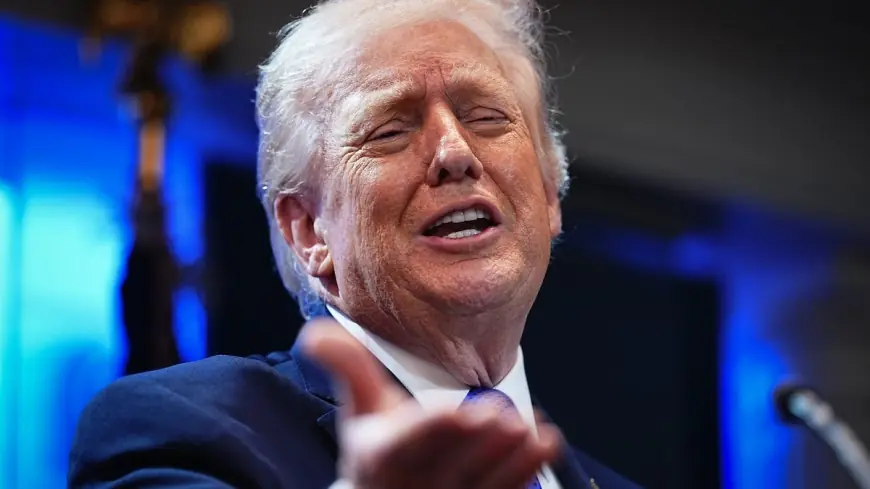
The supreme court on Feb. 20 overturned President Trump’s emergency tariffs, and the president responded by approving a new 10% import tariff that the White House said will take effect Feb. 24. The move replaces the struck-down measure with a temporary levy and a long list of exemptions.
Supreme Court overturned emergency tariffs in 6-3 decision
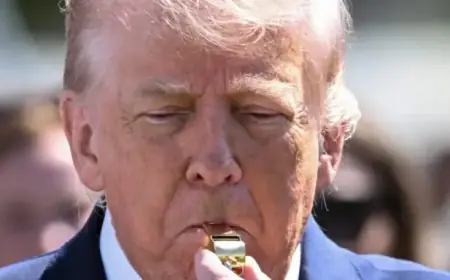
The high court’s 6-3 ruling found that the president lacked the authority under the 1977 International Emergency Economic Powers Act to impose the earlier tariffs, and two justices Mr. Trump had appointed—Neil Gorsuch and Amy Coney Barrett—joined the majority. Mr. Trump criticized the decision as "deeply disappointing" and lashed out at some justices as "fools and lap dogs. " The ruling, issued Feb. 20, limited the president’s use of that particular emergency statute for imposing import charges.
Trump signs new 10% tariffs to take effect Feb. 24
The White House said the new 10% tariffs will take effect Feb. 24 and were crafted under a different legal route. The president cited other trade laws — including a section of the 1974 Trade Act — as the path for the replacement duties. He argued that the emergency statute still allows the administration to cut off trade through licensing or an embargo, but not to levy tariffs under that authority.
The proclamation carving out the new levies also set clear limits: the type of tariff cited under the 1974 provision lasts for 150 days unless Congress votes to extend it. The administration described the process as "a little more complicated, " saying enforcement will rely on separate investigations and procedures tied to those alternate statutes.
Exemptions, investigations and next steps
The presidential action exempts a long list of products from the new 10% tariffs, including beef, tomatoes, oranges, pharmaceuticals, passenger vehicles and certain critical minerals, and it excludes products covered by the trade deal with Canada and Mexico. U. S. Trade Representative Jamieson Greer was ordered to investigate "certain unreasonable and discriminatory acts, policies, and practices that burden or restrict U. S. commerce, " and he told officials they can expect further actions in the coming days and weeks. "We have a lot of tools out there, " Greer said.
The political fallout has already surfaced. A recent poll found a majority of Americans and 58 percent of independent voters opposed the earlier tariffs, and some Republicans privately warned the policy poses political risk ahead of the midterm elections. Representative Don Bacon, a retiring Republican from Nebraska, said, "It was bad policy. It's also bad politics. " Mr. Trump vowed to press on with tariffs despite the court setback and announced the new 10% duty as an alternative route.
With the replacement tariffs set to take effect Feb. 24 and limited to 150 days unless Congress acts, immediate questions center on the investigations the administration has ordered and whether lawmakers will move to extend or block the new measures. The administration has signaled further trade actions may follow as those probes proceed in the coming weeks.