













Love Story Cast: Why the Series’ Cool-Girl Style and Costumes Matter to Fashion-Minded Viewers

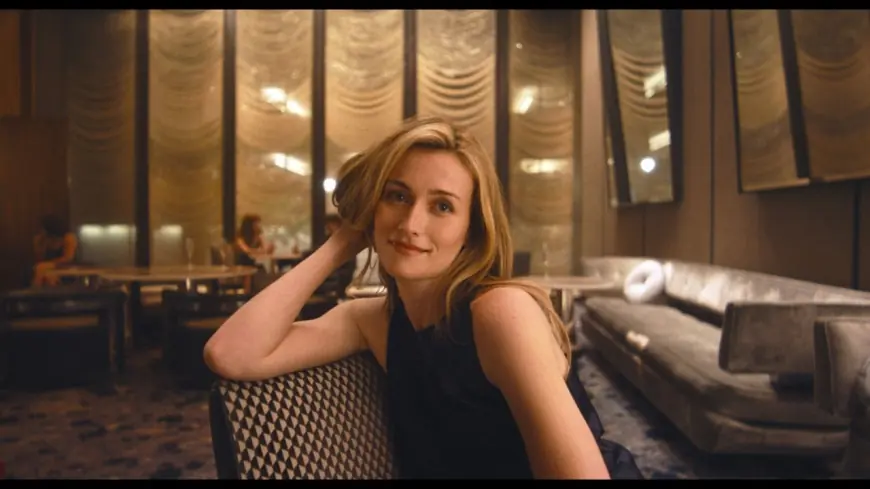
The new series’ visuals and wardrobe choices are already shaping reactions—a crucial beat for anyone watching for style as much as story. The love story cast populates scenes that lean into minimalist, ’90s fashion, and that emphasis changes how viewers read the characters from the first episodes. For fashion-focused audiences, the show is less a biography than a mood board brought to life, and that matters for how the relationship is framed on screen.
Love Story Cast — a closer look for fashion-focused viewers
Here’s the part that matters: costume work and casting are doing heavy narrative lifting. The two leads embody contrasting styles—one character wears sartorial minimalism with a cool, unreachable air while the other is styled to show someone used to attention but trying to shift image. That contrast puts clothes in the director’s toolbox for character development; outfits and music cues are being used to signal who holds emotional initiative in each scene.
What’s easy to miss is how the wardrobe choices reframe power dynamics. The restrained, carefully constructed looks assigned to the female lead make her a posture of control rather than the passive object of pursuit. For viewers who track fashion trends, that subtlety turns each scene into a template: outfits become shorthand for attitude, aspiration and, crucially, agency.
- First impression: clothing is deployed to tell us who is in charge emotionally long before dialogue does.
- Styling as shorthand: minimalist pieces and measured accessories function like plot devices.
- Music pairs with costume to signal character position—mood playlists matter here as much as tailoring.
- Because the show dropped multiple episodes at once, early visual patterns are already clear to viewers who care about aesthetics.
How the series stages the relationship and what’s been released so far
The show opens with the couple boarding a small plane piloted by the male lead; that sequence is recognizable to many viewers as among their last public moments because the plane later crashed off the coast of Martha’s Vineyard in 1999, killing the two leads and one other passenger. The series is a nine-part project; the first three episodes were released together last week and additional episodes are scheduled to arrive weekly through March. The casting places Paul Anthony Kelly and Sarah Pidgeon in the central roles, and early scenes emphasize the slow-burn of their courtship.
Staging choices underline the fashion angle: their introduction happens at a party hosted by a major designer for whom the female character works. The female character’s repeated, almost studied indifference—turning down phone-number requests, exchanging brief goodnights—creates a pattern the show leans into. Costume and music moments underscore that pattern, with specific tracks used to highlight themes of control and attraction.
The series draws on a biography of the female lead as part of its source material. Friends of the couple have recalled that the early dynamic involved the woman brushing off the man’s pursuits and the man being surprised by that response; those remembrances were discussed in the public record in 2014 and again in 2019. The creative team includes a noted producer and a series creator who shaped the adaptation.
Mini timeline (visual patterns to note):
- First three episodes released together last week — early costumes and tone are visible immediately.
- New episodes scheduled weekly through March, allowing the style narrative to unfold slowly.
- The plane crash in 1999 is presented in the series’ opening moments and functions as a looming endpoint.
The real question now is how sustained attention to wardrobe will affect broader conversations about the characters. If the show continues to treat costume as a storytelling device, it may shift how viewers interpret motive and agency in biographical dramas.
What the series demonstrates so far is that casting and costume design are not decorative extras here; they are central to characterization and to the show’s emotional architecture. That makes the love story cast pivotal not just for performances but for the visual grammar the series is using to tell its version of the story.
Writer’s aside: The bigger signal here is the show’s willingness to let clothing and carefully timed music do narrative work—an editorial choice that will matter to viewers who notice the small details that shape perception.