
















Punch Monkey and the Lessons for Zoo Visitors and Care Teams from One Abandoned Infant

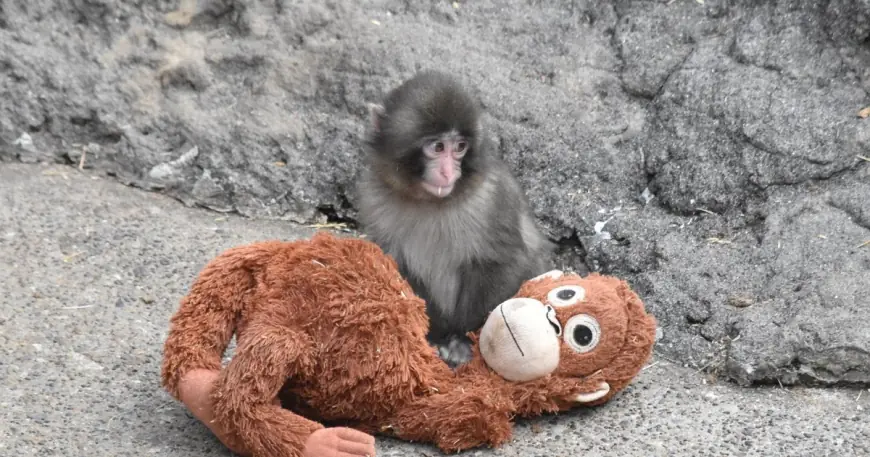
The story of punch monkey reaches beyond a single viral photo: it’s a live case study in how hands-on caretaking, careful social reintegration and small comforts can change outcomes for an abandoned infant primate. Visitors, keepers and the monkey troop felt the earliest effects — and the online reaction has turned Punch into an informal test of how zoos balance human help with natural social recovery.
Punch Monkey — what visitors and caretakers are noticing first
Here’s the part that matters: tourists view Punch as an emotional touchpoint, while the care team treats him as a practical rehabilitation case. The zoo introduced Punch on its social account after staff hand-reared him when his mother did not provide care. That introduction prompted thousands of reshares and the creation of a hashtag that aggregated widespread public encouragement.
Who is directly affected: the keepers who adjusted routines to give Punch sensory contact with the troop, the troop members who had to accept a newcomer, and visitors who are responding emotionally to Punch’s images. Those reactions are already shaping how the zoo explains its decisions and how it times Punch’s return to the monkey mountain enclosure.
How the hand-rearing, stuffed toy and reintroduction unfolded
Punch is a young male Japanese macaque born in the summer and abandoned by his mother shortly after birth. Staff began hand-feeding him and kept him near the scent and sounds of other monkeys rather than isolating him in a typical incubator setup so he could later integrate with the troop.
- Punch’s early care included rolled towels and various stuffed toys used as surrogates; he formed a particular attachment to an orangutan stuffed toy because its fur was easy to grip and its shape resembled a primate.
- At night he slept with the toy, which staff describe as functioning like a surrogate mother while he built strength and motor skills needed for clinging.
- Staff gradually increased his time on the monkey mountain and fully reintroduced him on a set date in January; other monkeys were initially wary, and Punch often held tightly to his stuffed animal during early interactions.
A social-media post from the zoo in early February was reshared thousands of times, and a hashtag supporting Punch generated tens of thousands of posts and reposts in the days that followed. Many people shared emotional reactions and followed the story closely online.
What’s easy to miss is that the choice of the orangutan toy wasn’t accidental; texture and visual familiarity mattered for Punch’s ability to cling and find comfort — a low-cost intervention with clear behavioral purpose.
Practical takeaways for caretakers, visitors and the troop
If you’re wondering why this keeps coming up: this case underscores simple, transferable practices for similar situations. Keeping an abandoned infant near the troop’s cues rather than fully isolating it helps preserve social learning. Substitutes that replicate tactile and visual aspects of a mother can aid muscle development and soothe an infant during nocturnal periods. Public attention, meanwhile, pressures institutions to explain humane choices clearly and can accelerate transparency about reintroduction timing.
- Immediate stakeholders: the keepers who adjusted care protocols, the troop members who negotiated Punch’s place, and visitors whose support shaped the public narrative.
- Signals that will indicate progress: the troop’s acceptance behaviors, reduced dependence on the stuffed toy during daylight interactions, and calmer approaches by other monkeys during feeding or grooming.
Micro timeline (condensed):
- Birth in the summer — mother did not provide care, prompting hand-rearing by staff.
- Several months of staged exposure near the troop using surrogates and sensory cues.
- Full reintroduction in January and rapid spread of images and posts after early February social posts.
The real question now is how the troop’s social dynamics evolve as Punch spends more unsupervised time with peers and whether public interest continues to influence the zoo’s communication choices. Recent updates indicate fan engagement remains high, but the animal-care decisions will be driven by Punch’s behavior and the troop’s responses rather than online momentum.
The bigger signal here is that low-tech comforts paired with deliberate exposure to natural cues can be an effective bridge between hand-rearing and social reintegration.