















Gene Keady, Zach Edey and the AI false-death post that spread

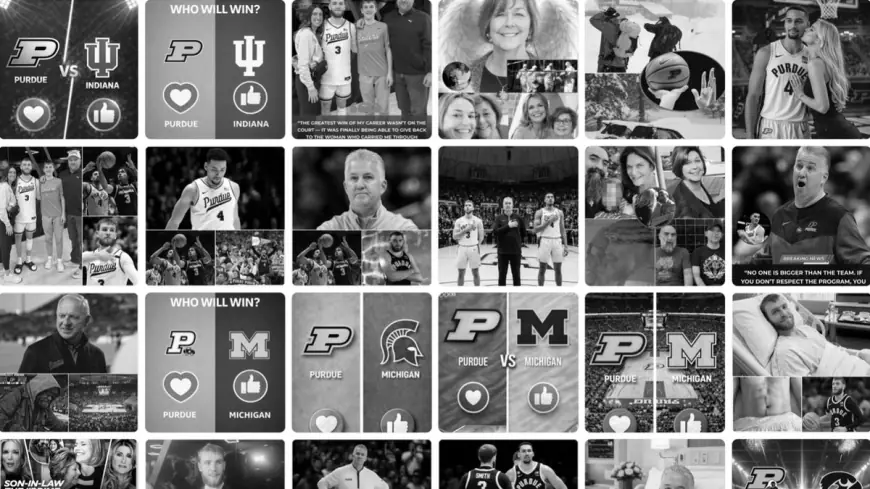
gene keady was the subject of a widely shared, AI-generated false death update that prompted calls and concern, even as Zach Edey returned to Purdue and helped the longtime coach to his seat during a recent game. The twin developments — viral misinformation and a public, supportive moment at the arena — have highlighted how quickly automated content can ripple through a fan base.
AI-generated fake death post
An account called Boiler Court Report posted an "emotional update" on Jan. 31 claiming the former coach was under continuous medical care and purportedly quoting a family member. The post used dramatic language and images that resemble AI-generated output. The account displayed the team mascot in its profile and had about 4, 500 followers at the time the false update appeared.
Family and fans field calls
Kathleen, the coach's wife, said they were at a bar drinking a beer when calls began coming in asking whether the coach was OK; she recounted a caller asking, "Is coach OK?" after a game on Feb. 7. In the two days after the post, a Purdue alum who has known the coach all her life received 15 to 20 calls from concerned people, and one close friend, unable to reach the coach by phone, was nearly ready to buy a plane ticket under the belief that he might be dying.
Zach Edey assists Gene Keady
Separately, Memphis Grizzlies center Zach Edey returned to his alma mater during NBA All-Star weekend. He was welcomed with cheers when he arrived early in the first half of a Tuesday game, and as the second half began he returned to his seat alongside Gene Keady, assisting the longtime coach to sit. Keady, 89, is Purdue's all-time winningest coach with 512 victories over 25 seasons and is a frequent attendee at home games. Edey was Purdue's two-time national player of the year from 2020–24 and finished his college career with 2, 516 points; in 2024 he cut down a piece of the net after a key victory and gave it to Keady.
What it suggests going forward
The false Keady update was not isolated: at least two other accounts posted identical, far-fetched content, and together the three accounts had more than 15, 000 followers. One assistant communications professor described the pattern as the work of an AI agent, saying the accounts read like automatically generated posts and that an individual could set up an automated posting operation quickly and cheaply. If automated accounts keep producing sensational updates without human oversight, similar misinformation episodes may continue to generate confusion and emotional responses among fans.
For now, the contrast between the viral falsehood and the visible, supportive moment in the arena — where a celebrated alumnus helped Gene Keady to his seat — underlines how public figures and their communities can be simultaneously vulnerable to misinformation and resilient in public displays of support.