



















Brittany Bowe Hilary Knight: Why the Olympic proposal and final lap land with fans and teammates

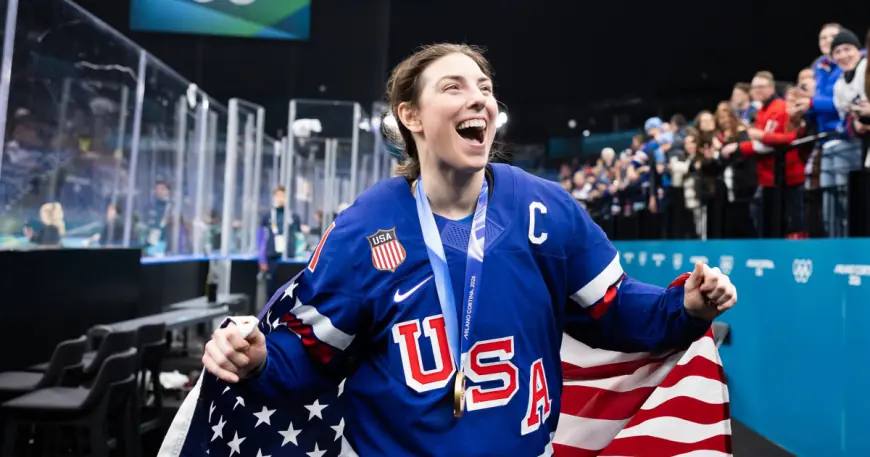
The immediate emotional echo of the Olympic proposal — captured when Hilary Knight popped the question during the Milan Games — matters most to the communities closest to both athletes. For followers of speedskating and women’s hockey, the intertwined send-offs of Brittany Bowe Hilary Knight turned routine results into a narrative about careers ending, relationships begun at the Games, and shared moments that outlast podium placements.
Brittany Bowe Hilary Knight’s moment: what it means for teammates, rivals and fans
Here’s the part that matters: fans and teammates saw two careers intersect at a rare public milestone. Knight’s proposal came before the gold-medal hockey final and was followed within days by both athletes closing chapters on long Olympic journeys. That sequence reframes how supporters remember the Games — not only for scores and medals but for personal milestones staged on an Olympic backdrop.
- Immediate effect on team dynamics: teammates witnessed a private milestone on a public stage, which in turn became part of team memory for the tournament.
- Fan takeaway: performances (late equalizer, final laps) are now paired with a personal storyline that will shape legacy conversations.
- Rival perspective: opponents experienced the on-ice drama of a gold-medal overtime and the off-ice intimacy of an engagement within the same event window.
What’s easy to miss is that the proposal was intentionally timed: Knight chose to propose during the Games because the two met at the previous Olympics, and she framed the moment as closing a loop started earlier. That decision made the proposal itself part of the competitive arc rather than a separate off-field note.
Event details and how those moments unfolded in Milan
On the hockey side, the Americans won the final in overtime, 2-1, after the captain tied the game with just over two minutes remaining. The proposal had been posted publicly the day before the final, and Knight said she had been carrying the moment through the tournament. For speedskating, Brittany Bowe finished her final Olympic race in the 1, 500 meters with a fourth-place result; across her career she skated at four Olympics and earned two Olympic bronze medals in past Games, along with multiple world titles and a 1, 000-meter world record set in 2019 that still stands.
Both athletes’ choices — Knight to propose at the Games and Bowe to make this her last Olympic campaign — created an overlay where personal milestones and career endpoints arrived almost simultaneously on the Olympic calendar.
Quick micro Q& A
Q: Who proposed and when did this happen in relation to competition?
A: Hilary Knight proposed during the Milan Games and the proposal was shared publicly the day before the hockey final, which the U. S. won in overtime.
Q: How did Brittany Bowe finish her Olympic career?
A: Brittany Bowe completed her final Olympic race in the 1, 500 meters with a fourth-place finish and left the Games having skated at four Olympics with two Olympic bronze medals and several world titles.
Q: Why does this sequence matter beyond a headline?
A: It ties competitive milestones to personal life moments, reshaping how teammates, rivals and fans will recall both athletes’ legacies.
The real question now is how these intertwined moments will shape both athletes’ legacies in their respective sports. For young players and skaters watching, the image of careers and relationships overlapping at the Olympics becomes part of the cultural memory around elite competition.
Signals to watch for confirmation of longer-term impact include how teammates reference the moment in future profiles and whether governing bodies or alumni programs highlight the episode when talking about athlete pathways and personal development. Recent updates indicate details about post-competition plans will emerge through the athletes’ own announcements; those developments may clarify next steps outside of competition.
Writer’s aside: It’s easy to overlook how much timing matters — choosing the Games as the setting intentionally linked personal and professional milestones in a way that will echo whenever these athletes are remembered.