





















Brendan Fraser's Eisenhower Choice Reframes Leadership Stakes in Pressure Trailer — Who Feels the Weight First

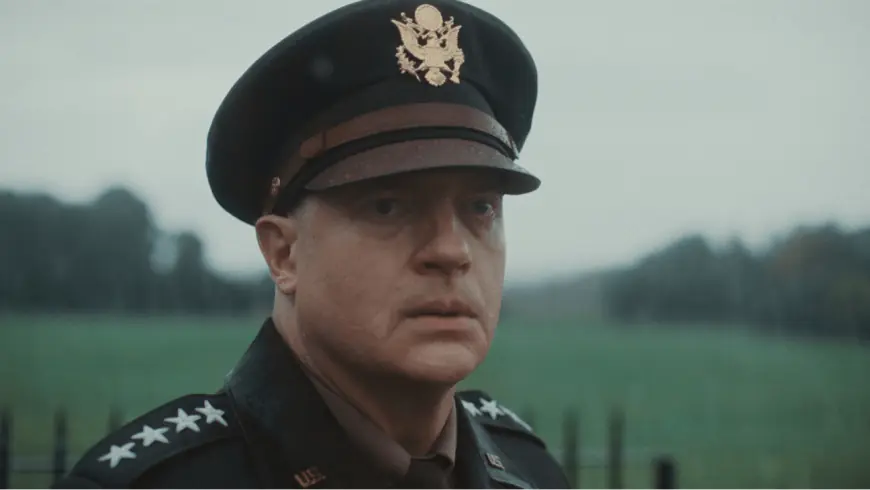
Why this matters now: The new trailer for Pressure centers the human consequences of a single military timing decision, and it immediately signals which groups will feel the impact first — veterans of leadership, meteorologists whose forecasts carry life-or-death implications, and viewers who expect tense, character-driven wartime drama. In the footage, brendan fraser plays a commander forced to decide whether weather or intelligence dictates action, setting up a study of responsibility more than spectacle.
Immediate impact: leadership, science and audience expectations
The film stakes are framed not as battlefield choreography but as a pressure test on judgment. Pressure positions the conflict between strategic command and scientific caution as the focal point: one side arguing the scale of the planned seaborne assault magnifies the consequences of timing, the other warning that actual storms could doom the operation. That dynamic shifts typical war-movie emphasis from frontline heroics to the consequences of decisions made behind closed doors.
Here's the part that matters: military planners and anyone interested in the ethics of command will likely read the movie as a close examination of responsibility under uncertainty. At the same time, the film elevates the role of weather forecasting into a dramatic engine, which may change how general audiences perceive technical experts in crisis moments.
Brendan Fraser as Eisenhower — what the trailer reveals
The trailer shows Brendan Fraser portraying General Dwight D. Eisenhower at the pivotal days before the 1944 Allied invasion of Normandy. The narrative centers on Eisenhower and a Royal Air Force meteorologist, Captain James Stagg, who together weigh the risks posed by dangerous weather in the lead-up to the invasion intended to begin the liberation of Western Europe. The meteorologist presses the reality of violent storms; the commander faces the burden of a final timing decision.
Director Anthony Maras, who co-wrote the script with David Haig from Haig's stage play, leads a cast that includes Andrew Scott, Kerry Condon, Damian Lewis and Chris Messina. The studio has set a theatrical release for May 29. The trailer cuts between terse consultations and implied large-scale consequences, underlining that the wrong call could have catastrophic effects while a delay carries its own strategic risks.
How the film arranges its tension and what to expect
- Focus of conflict: command authority versus meteorological warning, rather than battlefield sequences alone.
- Tone signaled by trailer: methodical, tense, and concentrated on the 72-hour window before the operation.
- Cast and credits: lead performance by brendan fraser, direction and co-writing by Anthony Maras with a script link to a stage play.
- Release timing: scheduled for theatrical release on May 29 (schedule subject to change).
It's easy to overlook, but the trailer's editing choices — focusing on cramped decision rooms and storm warnings rather than only large-scale action — suggest the film will be judged on its portrayal of moral and logistical dilemmas as much as on wartime spectacle. The real test will be whether the narrative makes the technical debate about weather as gripping as the human cost it implies.
Quick Q&A
Q: Who plays the meteorologist? A: Andrew Scott portrays the RAF meteorologist central to the timing debate.
Q: What is the central decision? A: The central choice is whether to proceed with the large seaborne invasion or to delay in light of dangerous weather risks.
Q: When is the film due in theaters? A: The film is slated for a theatrical release on May 29.
Micro timeline: the trailer situates the story in the days immediately before the 1944 Allied invasion of Normandy, follows a tense 72-hour window where weather and intelligence collide, and culminates in Eisenhower's final call. That short time frame is the engine of the drama.
What the broader signal may be is a renewed appetite for wartime stories that interrogate decision-making under uncertainty rather than only retelling combat stories. If you’re wondering why this keeps coming up, note that the trailer repeatedly reframes technical expertise as pivotal to historical outcomes — a narrative choice that could alter how audiences remember this moment.
Writer's aside: What’s easy to miss is how the trailer's focus on decision-making rooms refracts larger questions about accountability; if the film follows that lead, its most lasting effect may be how it changes viewers' sense of who carries blame and who carries the burden in war.