

























Four Scots Chase 102-Year Dream in Mens Curling Final Against Canada

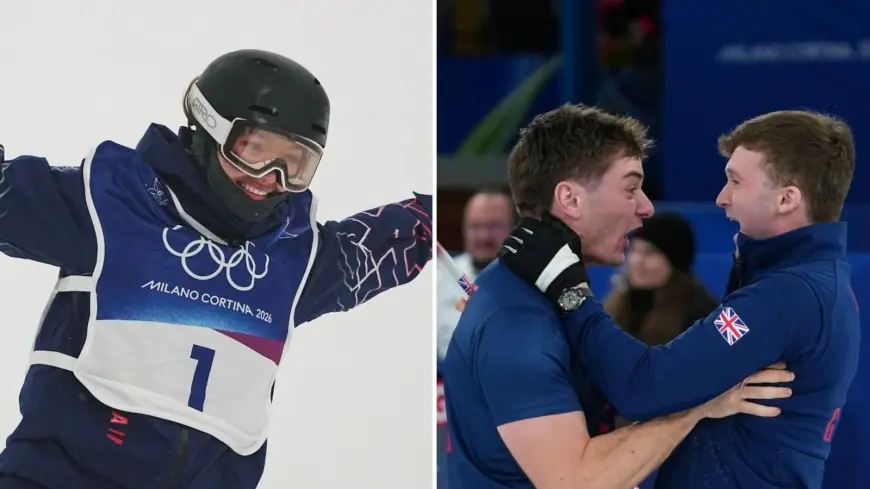
Team GB will meet Canada in the mens curling final on Saturday at 1: 05 p. m. ET, with the four-strong Scottish rink aiming to turn a 2022 silver into the first British men's Olympic curling gold since 1924. The matchup follows a dramatic semi-final week that reignited public attention and put the quartet squarely in medal contention.
Mens Curling Final: What happened and what’s new
The British quartet secured their place in Saturday’s final after an 8-5 semi-final victory over Switzerland. The win followed a round-robin campaign that left qualification uncertain: the team finished the group stage with five wins and four defeats and progressed only after another nation’s result went their way. The semi-final hinged on a stolen sixth end, a pivotal run-back triple takeout executed by the skip in the seventh, and two-point scores later in the match that sealed the result.
The four players who will contest the final together are the same core who won silver at the last Winter Games in 2022. Their record since that near miss includes multiple world titles, additional continental crowns and a string of elite event wins that has been described as domination of the discipline. Public interest in the semi-final spiked significantly: at its peak, television viewership reached millions.
Behind the headline
The current quartet have been a unit for nearly a decade and chose to enter elite competition only as a group, a decision that organizers accepted. Two members are cousins from south-west Scotland; another played previously in a rink with the skip, and all share ties from school days. Roles on the team are well defined: the skip leads strategy and shotmaking, a third acts as vice-skip, a second and a lead round out the throwing order, and a long-serving alternate provides cover and preparation support.
The team’s broader résumé since 2022 includes two world championships, additional European titles and a record haul of top-tier event trophies. That history frames the current campaign as an attempt to complete a multi-year arc from silver to gold. The opposing Canadian side arrives with its own pedigree and controversy in the background, with questions around stone contacts prompting officials to raise umpiring levels during the tournament; that matter remains under scrutiny.
What we still don’t know
- Exact starting line-ups and any last-minute personnel changes for the final.
- Whether the umpiring adjustments prompted by contact concerns will affect officiating in the final.
- How the teams will alter tactics in response to the semi-final developments, including the role of high-risk shotmaking.
- The physical and mental condition of individual players after a tense knockout schedule.
What happens next
- Gold-medal win for the British quartet: converting their Beijing silver into gold would end a 102-year gap for British men's curling and cement the team’s dominant run since 2022.
- Silver for Britain: a loss would still confirm a podium finish and maintain the team’s record of top-level consistency, but leave the central objective unfulfilled.
- Heightened officiating and appeals: if contact concerns recur, officials may apply stricter enforcement, potentially affecting shot selection and outcomes.
- Long-term legacy route: a decisive British victory would likely reinforce the team’s strategic approach of remaining intact as a unit; a loss could prompt internal reassessment of roles and preparation methods.
Why it matters
At stake in the mens curling final is more than a medal: a British victory would rewrite a near-century of Olympic history for men’s curling and validate a sustained period of elite performance that followed a 2022 silver. For the athletes, it is the culmination of a long-term plan formed when they first came together; for the sport at home, a gold would amplify public interest and reward a development pathway that prioritized cohesion.
Near-term impacts include increased attention on officiating standards, tactical innovation in high-stakes ends, and potential shifts in how national programs assemble teams. The outcome will influence selection confidence, funding narratives and the reputations of the players involved. Observers should watch opening-end strategies, the enforcement of contact rules and any lineup announcements in the hours before the match — elements that will shape whether the quartet completes their stated aim.