






















What Time Is Iftar Today: Ramadan 2026 Timings for February 21 Show Regional Variation — Iftar Clocks Range from 6:25 PM to 6:41 PM

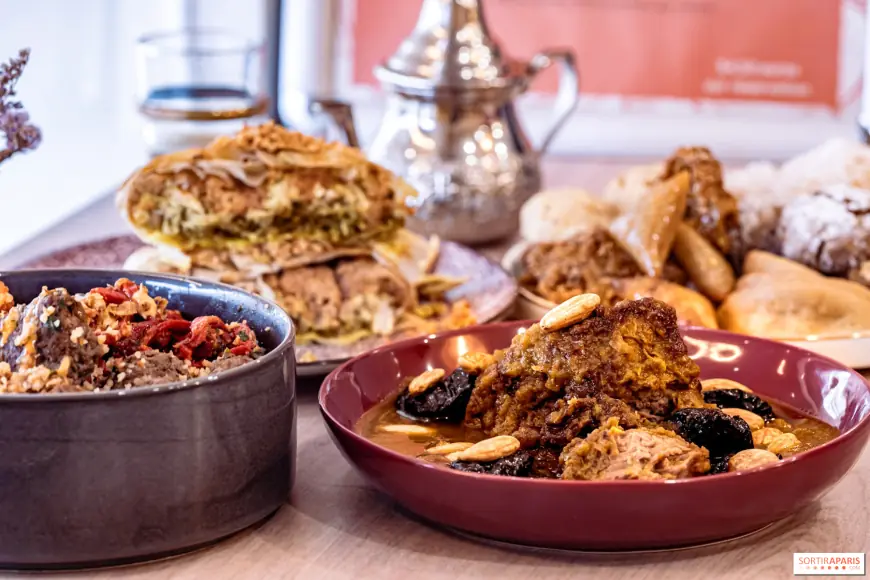
For readers asking what time is iftar today, the consolidated reporting for February 21, 2026, shows differing regional end-of-fast times on that date. The available timetables list iftar for the day at 6: 25 PM in one schedule and at 6: 41 PM in another, with pre-dawn (sehri) entries as early as 4: 49 AM in parts of India.
What Time Is Iftar Today — What happened and what's new
Confirmed facts from the provided schedules show that on February 21, 2026, fasting end times (iftar) vary by location. One timetable states that on the fourth day of Ramadan the fast will end at 6: 25 PM. Separate regional listings for India on the same calendar date include an iftar time of 6: 41 PM for Mumbai and a sehri time as early as 4: 49 AM for Kolkata. The materials also restate the core practice that fasting runs from dawn (marked by the Fajr prayer) until sunset (marked by Maghrib), and that these prayer and fasting times shift each day in step with the sun.
Behind the headline
The divergent iftar times reflect two basic contextual points set out in the timetables: Ramadan 2026 is taking place after the winter solstice, so daylight hours are lengthening as the month progresses; and daily prayer and fasting moments move incrementally later each day because they follow sunrise and sunset. These mechanics explain why schedules differ by location and by day. Stakeholders affected by the variation include observant Muslim communities checking local timetables, mosque and community organizers publishing daily schedules, and individuals planning meals and communal gatherings.
What we still don't know
- Which localities correspond to the 6: 25 PM iftar listing; the schedule states the end of the fast at that time but does not attach a specific city label in the provided text.
- Whether February 21, 2026, is the third or fourth day of Ramadan: one timetable describes it as the fourth day, another labels it the third fast for the country-level listing for India—this is an unresolved inconsistency.
- Complete, location-by-location sehri and iftar tables for every listed city mentioned in the regional roundup are not included in the provided excerpts.
- Any formal calendar confirmations from regional religious authorities or national mosques are not present in the provided material.
What happens next
- Verification by local authorities: community or mosque calendars may issue clarifications that reconcile the third-versus-fourth-day discrepancy; a published local timetable would resolve which iftar time applies where.
- Publication of full local tables: expanded timetables for cities will likely list sehri and iftar for each successive day, clarifying regional differences and settling individual planning needs.
- Use of astronomical prayer calculations: planners may release schedules based on specific calculation methods or coordinate charts, which will standardize timings for particular locales.
- Minor daily adjustments: because sunset shifts by minutes each day, community notices may update iftar times slightly as Ramadan progresses.
Why it matters
Practical impacts are immediate for worshippers and organizers: knowing what time is iftar today determines when the daily fast may be broken and when communal iftar events should begin. Regional variation affects meal planning, community scheduling and the synchronization of prayer services. Near-term implications include the need for clear, location-specific timetables to avoid confusion on communal fast days and to coordinate mosque announcements and family observances.
Given the inconsistencies in the available excerpts, readers relying on a specific iftar moment for February 21 should consult their local prayer timetable or community announcement to confirm the applicable time. The core, confirmed takeaways are that iftar shifts each day with sunset, Ramadan 2026 follows the post-winter-solstice lengthening of days, and listed iftar times for February 21 in the provided schedules include 6: 25 PM and 6: 41 PM, with sehri entries beginning as early as 4: 49 AM in some local timetables.