















Toy Story reunion trailer refocuses the franchise’s emotional stakes — Woody’s balding beat and a frog-shaped tech threat

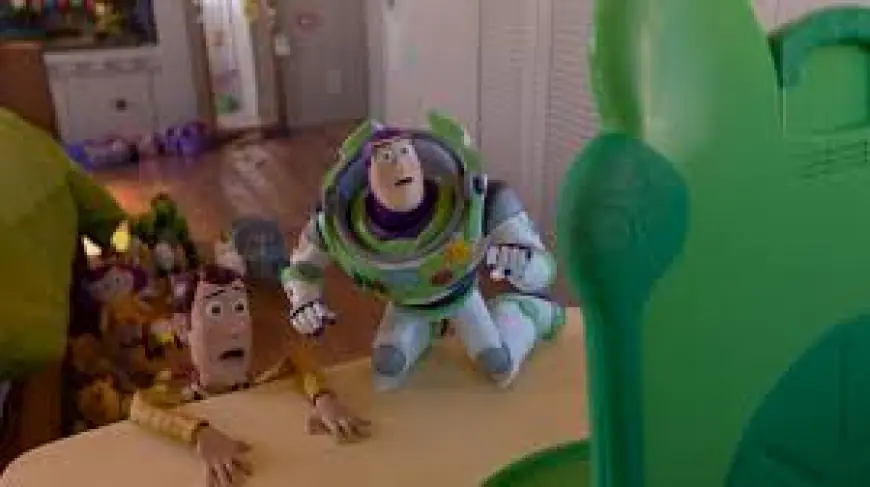
The first viewers to feel the impact are longtime fans and the toys themselves: the new toy story trailer makes reunion feel like a reckoning. Woody returns to his original circle alongside Buzz and Jessie just as a frog-shaped smart tablet, Lilypad, arrives with “disruptive” ideas about what’s best for Bonnie, forcing the characters — and audiences — to reassess what play means in a tech-forward moment.
Why this shift lands for Toy Story fans and Bonnie’s toys
Here’s the part that matters: the trailer frames reunion as more than nostalgia. Woody’s return from a life helping abandoned toys is played against a modern antagonist — a frog-like tablet voiced by Greta Lee — whose presence questions the toys’ role. The emotional sting is sharpened visually (Woody appears slightly balding) and narratively (the tablet challenges the toys’ relationship with the child they serve). For viewers who grew up with the series, the new clip reframes familiar dynamics as active cultural friction rather than simple comfort.
It’s easy to overlook, but the trailer places character status and technology side by side rather than letting either dominate; that choice changes the tone from a reunion commercial to a cultural short-hand about obsolescence and loyalty.
What the trailer shows — cast, characters and timing
The preview reunites a large portion of the established cast while adding new voices and toys. Returning characters and performers named in the coverage include Buzz Lightyear (Tim Allen), Woody (Tom Hanks), Jessie (Joan Cusack), Forky (Tony Hale), Hamm (John Ratzenberger), Slinky Dog, Mr Potato Head (now voiced by Jeff Bergman), Duke Caboom (Keanu Reeves) and others. New characters introduced in the trailer include Lilypad (a frog-shaped smart tablet voiced by Greta Lee) and several newly announced toys such as Atlas (a talking GPS hippo) and Combat Carl.
The trailer also signals creative continuity: Randy Newman returns to score the film, and direction credits include the filmmaker behind previous animated hits with a co-director attached. The feature is slated for a theatrical release on 19 June; that date concentrates attention on whether the film’s reunion-and-technology framing will play for both legacy audiences and new viewers.
- Returning elements: main toy ensemble reunited; multiple supporting characters listed as back in the story.
- New elements: Lilypad, a frog-like tablet presented as a threat to playtime; several new toy characters and voice additions.
- Creative signals: original composer returning; established director credited with a co-director.
- Release timing: scheduled for 19 June (theatrical).
Key takeaways:
- The emotional pivot is reunion framed as confrontation — old friendships meet a modern device that questions play.
- Voice cast mixes long-standing performers with new additions, reasserting franchise continuity while refreshing the roster.
- The film leans on legacy scoring and familiar motifs to bind new stakes to the series’ emotional history.
- Early reactions to the trailer will be the clearest signal of whether this tonal balance lands for audiences ahead of the June release.
Micro timeline (context you can verify in the trailer): the franchise began with the first film in 1995; Toy Story 4 concluded with Woody leaving to help abandoned toys; the new trailer shows Woody returning to the group and meeting Lilypad, setting up the new film’s conflict ahead of the 19 June release.
The real question now is how viewers will weigh the reunion scenes against the tablet’s influence on Bonnie’s play. If the trailer’s mix of tenderness and technological challenge holds through marketing and reviews, the film could reshape expectations for sequels that center nostalgia while confronting modern forces.
Writer’s aside: What’s easy to miss is how much casting continuity (voices returning) is being used as an emotional shorthand — it signals the filmmakers want this to feel like a genuine continuation rather than a restart.