

























Iftar Time Today: Moon Sighting Sets Ramadan Start on Feb. 18

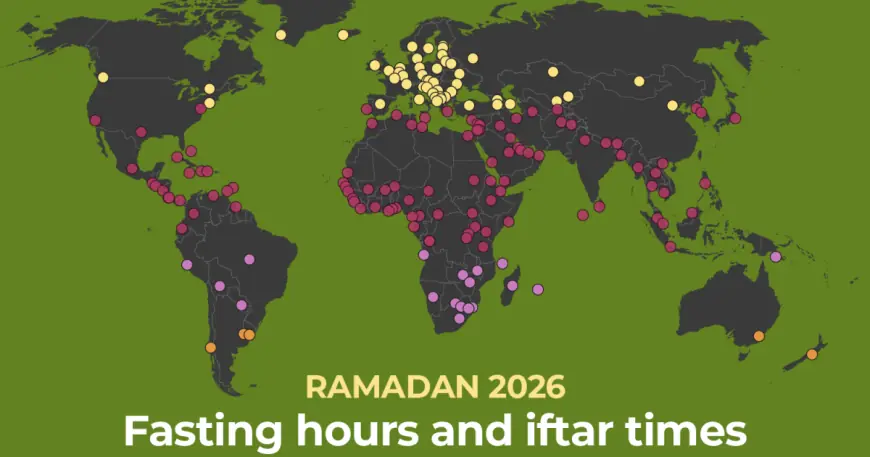
The moon-sighting committee’s confirmation of the crescent means the first day of fasting will be Wednesday, February 18, and many people are already checking iftar time today to plan when to break the fast.
Iftar Time Today and when to break the fast
Ramadan will run for 29 or 30 days, and Muslims observing the dawn-to-dusk fast will refrain from eating, drinking, smoking and sexual relations during daylight hours, aiming for greater taqwa, or consciousness of God; for many communities this creates a daily checklist of suhoor before dawn and iftar time today at dusk. The dawn-to-dusk fast lasts anywhere from 11. 5 to 15. 5 hours across the world, with typical fasts this year falling in the 12- to 15-hour range on the first day.
How fasting hours differ by hemisphere
Because the Islamic calendar is lunar, with months of 29 or 30 days, Ramadan begins 10 to 12 days earlier each year; as a result this year’s observance falls in winter for most of the Northern Hemisphere and will produce shorter fasts, about 12 to 13 hours on the first day for nearly 90 percent of the world’s population living in the Northern Hemisphere. By contrast, people in southern countries such as Chile, New Zealand and South Africa will see longer fasts at about 14 to 15 hours on the first day, with fasting durations changing over the month.
Moon sighting, the calendar and longer-term timing
The move of Ramadan through the solar year is driven by the lunar Hijri calendar’s shorter year, shorter by about 11 days; that pattern means Ramadan will appear twice in 2030, first beginning on January 5 and then again starting on December 26, and it will encompass the winter solstice in 2031. Muslims observe Ramadan as the month when the first verses of the Quran were revealed to the Prophet Muhammad more than 1, 400 years ago, a historic anchor that shapes the month’s rituals and daily schedules, including suhoor and iftar time today for communities around the globe.
Greetings, practical notes and what to expect
Common greetings exchanged during the month include "Ramadan Mubarak" and "Ramadan Kareem"; the month’s length of 29 or 30 days means communities will confirm the end of fasting in the days after the first sighting. On the first day, many people will time suhoor before dawn and mark iftar time today at dusk based on local sunrise and sunset, and fasting hours will generally shorten further through the month in the Northern Hemisphere and shift for southern locations.
The first confirmed day of fasting is Wednesday, February 18, and communities will continue to publish precise local sunrise and sunset times for suhoor and iftar; officials and clerical bodies will announce the month’s end after the appropriate sighting, shaping the next confirmed milestone on the Ramadan calendar.