

























Susan Rice Warns There Will Be No 'Forgive and Forget' for Those Who Backed Trump

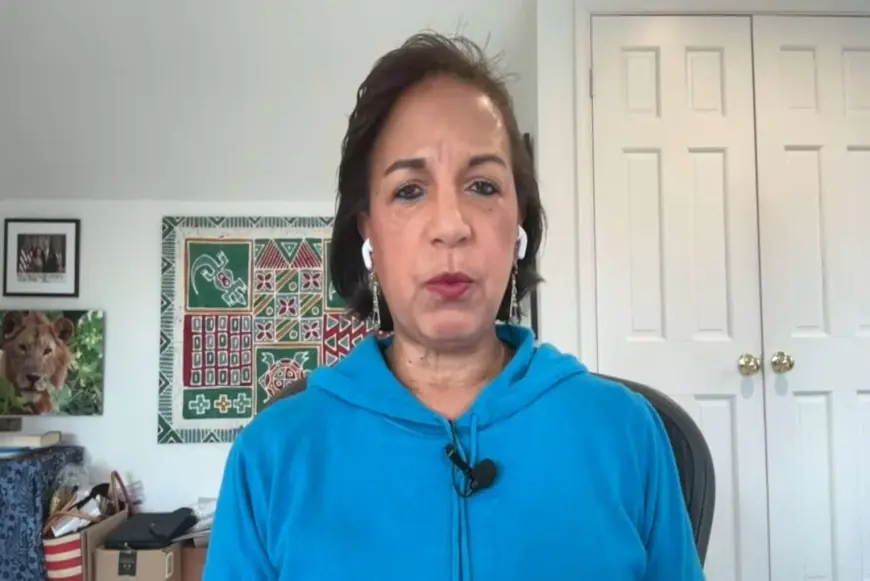
In a recent interview, susan rice said Democrats will pursue an "accountability agenda" and will not treat those who cooperated with the Trump administration as if it were time to "forgive and forget. " The comments signal an intention to seek investigations and potential subpoenas of corporations, universities and media entities that she said "took a knee to Trump. "
Susan Rice: What happened and what’s new
In an interview on a nationally distributed program, Susan Rice warned that a future Democratic majority would not simply move past actions taken during the Trump administration. She used the phrase "This is not going to be an instance of forgive and forget, " and said the "damage that these people are doing is too severe. "
Rice described the country as a "lawless society" and said America is veering into authoritarianism under the current administration. She said that companies, universities and media organizations that she characterized as having "took a knee to Trump" would be held to account. She identified an "accountability agenda" that would include warnings to corporations to preserve documents and to prepare for subpoenas.
Rice framed the approach as a deliberate break with past norms, saying Democrats "are not going to be suckers" and will not operate by the "old set of rules. " She also used the phrase "Revenge is best served cold" and said it is important to make bullies "pay a price. "
Behind the headline
Rice's remarks set an explicit political posture: if Democrats return to power, they will prioritize investigations and formal accountability measures aimed at entities that supported or cooperated with the Trump administration. The incentives she articulated were framed in moral and political terms—the need to address perceived harms and to deter future behavior—while the operational suggestions focused on document preservation and readiness for subpoenas.
Key stakeholders identified in her comments include: corporations, universities and media outlets that she said aligned with the administration; Democratic lawmakers who would pursue oversight or legislative measures; and individuals and institutions that could face legal or congressional scrutiny. The leverage described centers on congressional investigative powers and the legal process tied to preservation orders and subpoenas.
What we still don’t know
- Which specific entities or individuals would be targeted under the "accountability agenda. "
- What legal grounds or statutes would be invoked to justify investigations or subpoenas.
- Whether formal plans or legislative proposals exist to implement the measures Rice described.
- The timeline for any taken actions, and what threshold would trigger investigations.
- How broadly the term "took a knee to Trump" would be interpreted in practice.
What happens next
- Congressional oversight push: If Democrats regain a majority, lawmakers could open hearings, issue preservation notices and launch subpoenas—triggered by internal party decisions or specific investigative leads.
- Document preservation and legal readiness: Corporations and institutions may begin or accelerate document preservation efforts and legal reviews in anticipation of probes—triggered by public statements or formal preservation requests.
- Negotiated cooperation: Some entities might seek cooperative arrangements with investigators to limit exposure, potentially trading information for narrower inquiries—triggered by early requests from committee chairs or prosecutors.
- Political escalation: The posture Rice described could intensify partisan conflict over oversight scope and procedures, prompting debate over norms and reciprocity—triggered by high-profile subpoenas or public naming of targets.
- Limited or targeted inquiries: Political leaders could opt for narrowly scoped investigations aimed at clear instances of alleged wrongdoing rather than broad retribution—triggered by concrete evidence or legal referrals.
Why it matters
Rice's remarks signal a potential shift in how accountability and oversight might be pursued if the political balance changes. For corporations, universities and media organizations, the practical implication is heightened legal and reputational risk and an operational need to preserve records and plan for scrutiny. For lawmakers and political actors, the stance crystallizes a harder-edged oversight posture that prioritizes investigations over gestures of reconciliation.
Near-term, the comments may prompt preemptive legal preparations and internal reviews among entities mentioned as potential targets. Longer term, they could shape debates about congressional oversight powers, norms of bipartisan cooperation, and how political accountability is balanced with governing stability.
While the interview lays out an assertive posture, many operational details remain unspecified, and the course of action will depend on political outcomes and decisions by future lawmakers and investigators.