




















Canada Hockey Olympics: How Bishop Kearney graduates and youth programs are feeling the U.S. OT gold

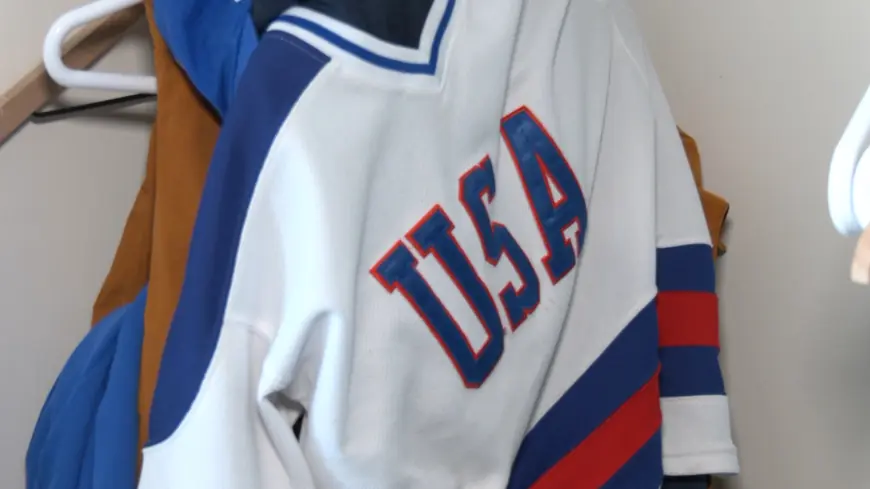
The U. S. women's overtime victory over Canada at the 2026 Winter Olympics is landing first with school programs and youth clubs that feed elite rosters. Canada Hockey Olympics has become a touchpoint for players and coaches who watched Bishop Kearney graduates celebrate gold, and for youth teams that publicly reacted to the win. Here’s the part that matters: local development pathways and visible role models are getting a sudden, high-profile spotlight.
Canada Hockey Olympics — what Bishop Kearney grads and youth teams are taking from the U. S. overtime victory
Players and coaches connected to Bishop Kearney and grassroots programs said the outcome resonated beyond the medal itself. Five graduates from Bishop Kearney are now Olympic gold medalists after an overtime win against Canada in the women's final, and a youth hockey coach, Andy Mandel, joined a national morning show with his team to react to the U. S. victory. Those visible reactions amplify a simple message for young players: familiar development routes can lead to the highest stage.
What changes because of it: increased attention on programs that produce international-caliber players, and a likely surge in local interest where those graduates came from. Stakeholders include current Bishop Kearney students and alumni, youth-club players who watched the match, coaches who use the game as a teaching moment, and families weighing travel and training commitments.
It’s easy to overlook, but the intensity of emotional responses at watch parties and morning-show segments is itself a signal to recruiters and program directors: storytelling around local success can become recruitment momentum.
Game snapshot and the five graduates who became gold medalists
Regulation finished tied 1-1, and the match was decided in overtime by a goal from Megan Keller that gave the U. S. the win. This marks the third time the U. S. women's team has claimed Olympic hockey gold, each occasion coming over Canada. That sequence — tying the game, then clinching in extra time — is now fresh evidence coaches will point to when teaching resiliency and game management to younger skaters.
- Five Bishop Kearney alumni on the winning roster: Haley Winn (defender, Webster native); Caroline Harvey (defender, New Hampshire); Laila Edwards (forward, Ohio); Kirsten Simms (forward, Michigan); Ava McNaughton (goalie, Pennsylvania).
- Secondary alumni connections: two graduates who played for Germany and one who played as a goalie for Czechia also attended Bishop Kearney, illustrating the school's international draw.
- Local activity: a watch party for the final gathered staff, alumni and families to cheer on the U. S. team.
Here’s a quick micro timeline that keeps to the facts at hand:
- Regulation ended tied 1-1 in the women's final.
- Megan Keller scored in overtime to decide the match in favor of the U. S.
- The U. S. secured its third Olympic women's hockey title, again over Canada.
If you’re wondering why this keeps coming up for youth coaches: the moment functions as a teaching example for clutch play and for tangible proof that club-to-Olympic trajectories exist today. Youth coach Andy Mandel and his players publicly reacted to the win, underscoring that teams at the grassroots level are watching and modeling their preparation on elite examples.
The real question now is how local programs translate this visibility into sustained development rather than a short-term spike in interest. The bigger signal here is that a handful of alumni on an Olympic roster can shift attention — and possibly resources — back to a single school or region, with knock-on effects for recruitment and training pipelines.
What’s easy to miss is how emotional resonance — watch parties, visible family celebrations, and media segments featuring youth teams — multiplies the influence of a single game. For coaches, parents and aspiring players, this victory is as much about concrete examples of player pathways as it is about the medal count.