





















Alysa Liu Mother — How a Carefree, Joyous Gold-Medal Free Skate Reasserted Artistry in Figure Skating

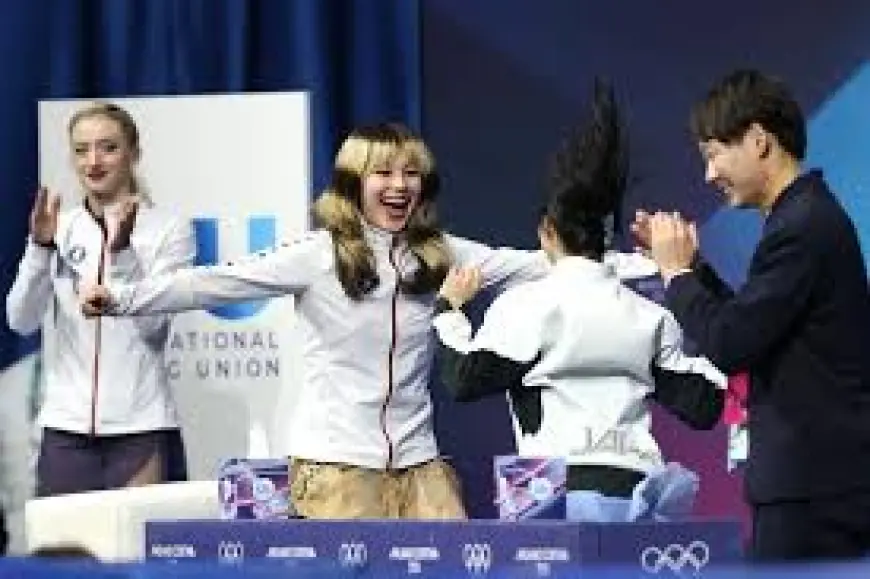
Alysa Liu’s gold-medal free skate at the Milan-Cortina Games delivered a performance-centered victory that matters because it signaled an artistic counterpoint to competition-driven skating; the phrase alyssa liu mother has also appeared in public attention concurrent with that coverage. The immediate news is her renewed emphasis on joy and self-directed performance after a period away from the sport.
What happened and what’s new
Confirmed elements of Liu’s comeback and Olympic free skate: she returned to competitive skating after retiring in her mid-teens and, at age 20, took the gold medal in the Olympic women’s event at the Milan-Cortina Games. Her free skate was notable for an artistry-first approach: she skated to Donna Summer’s "MacArthur Park Suite, " showed a flowing, fluid style described by a critic with a background in dance, and executed a sequence that included a double axel, a layback spin, and a Biellmann finish.
Observers emphasized her relaxed presence on the ice: moments of visible amusement, loose, buoyant movement, and expressive hand and head gestures were consistent throughout the program. Her skating combined strong jumping passes with long, gliding edges and theatrical touches — slides, bent-knee spins, and playful gestures — that underscored a performance sensibility rather than pure technical display. Those facets were central to why commentators called the performance transcendent and joy-driven.
Alysa Liu Mother: Behind the headline
Context: Liu stepped away from competition as a teenager and later returned with a different set of priorities that emphasize self-expression and enjoyment on the ice. The critic who wrote about her free skate framed competition as a pressure that often suppresses artistry; Liu’s program was presented as a deliberate inversion of that dynamic, with technique integrated to serve performance rather than the reverse.
Incentives and constraints: the immediate incentive for Liu’s approach appears to be personal — skating to please herself and to reconnect with the joy of performance. Constraints in elite skating remain technical expectations and Olympic pressure, but her program demonstrated a choice to foreground artistry within those constraints.
Stakeholders: Liu gains renewed stature as an artist-performer in the sport and as an Olympic champion; judges and event organizers face the ongoing task of balancing technical standards with rewarding expressive skating; audiences and critics gain material for discussion about the sport’s aesthetic direction.
What we still don’t know
- Whether details tied to public interest phrases such as "alyssa liu mother" will be addressed or clarified publicly.
- How Liu’s competitive and program choices will evolve after this victory.
- How judging and scoring priorities might respond to a high-profile program that emphasizes artistry over maximal technical content.
- Longer-term plans for Liu’s career following the Olympic win and whether she will prioritize competition, exhibition, or other projects.
What happens next
- continued competition with an artistry-first approach — trigger: Liu announces future competitive seasons or entries;
- shift toward exhibition and performance work that leverages her theatrical style — trigger: public tour or program of shows;
- gradual blending of more technical difficulty while maintaining performance quality — trigger: program content changes to include additional high-difficulty elements while preserving expressive choreography;
- heightened debate within the sport about scoring balance between artistry and technical difficulty — trigger: subsequent high-profile programs that win broader acclaim without the highest technical counts;
- public clarification about personal-interest queries tied to her name — trigger: statement or interview addressing those queries.
Why it matters
Near-term, Liu’s performance offers a visible example that elite figure skating can reward performance quality and emotional connection, potentially shaping what audiences expect from top skaters. For athletes, her gold-medal program models an alternative motivational frame: returning to competition on one’s own terms and prioritizing the pleasure of performance.
For the sport’s ecosystem, the moment could influence program construction, audience engagement, and critical discussion about how to value artistry alongside athleticism. In the short term, viewers and commentators will watch how Liu’s victory is followed by program choices and whether the balance she struck between expression and technique has any measurable ripple across competitive skating.