




















Miracle On Ice Revisited: A reporter’s unforgettable afternoon with the team and a new documentary’s reflections

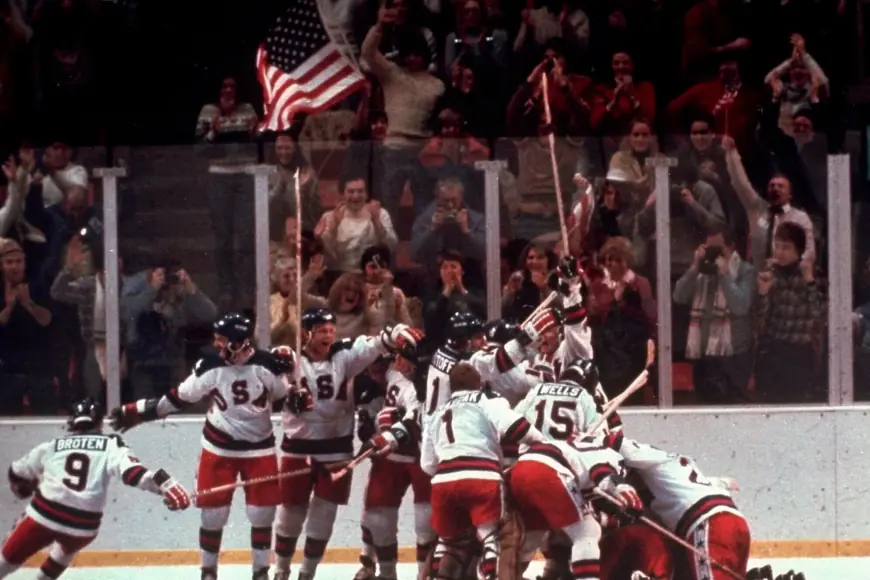
The latest coverage has returned the miracle on ice to public view: a veteran reporter’s memories of a 2002 reunion with the Olympic champions and a new documentary titled "Miracle: The Boys of ’80" have renewed attention on the Lake Placid upset and what it meant then and now.
Miracle On Ice: The LA reunion that stayed with one reporter
A thin rope separated the reporter from the players and coach at a makeshift rink at the Los Angeles Convention Center on Friday, Feb. 1, 2002, at 3: 30 p. m., when the 20 men who had won gold in Lake Placid were together in one place for the first time since a White House visit a few days after their victory 22 years earlier. The gathering was a half-baked 4-on-4 exhibition against an NHL alumni team, one in which the legendary U. S. goalie surrendered six goals in the first period.
The scene was notable for the contrast between the coach’s earlier public persona and his later, lighter demeanor. The coach who had once pushed his players mercilessly was described as joking and relaxed; at one point a defenseman skated to the bench and asked an instructional question, and the coach laughed and encouraged the players to carry on. Observing players’ names and numbers—Johnson 10, Eruzione 21, Ramsey 5, Morrow 3—on the backs of aging bodies underscored the poignancy: they were still the same group that had stunned the sporting world.
One player said that within minutes of the reunion it felt as if they had never been apart, and teammates were openly needling each other during the exhibition. The wide access afforded reporters that day allowed close proximity to the bench and a vivid sense of how memory and time had softened the edges of an event that had once been raw and intense.
Why the Lake Placid moment and the documentary still resonate
The new documentary revisits intimate interviews with the former players, now elderly, sitting together on the old bench in the Lake Placid arena. There are scenes of tears and reflection, an emphasis on how the victory spoke to the country beyond sport, and a recurring sense of loss about the team’s late coach. Players expressed regret that they had not spent more time with him in his later years, and his son observed that the coach had struggled to balance distance with being part of the group.
The film also places the on-ice upset in its competitive context: the U. S. team had played a lopsided exhibition loss to the Soviets shortly before the Games, and earlier Olympic history showed Soviet dominance with gold medals in every Games since 1964 and a combined record that overwhelmed most opponents. At the Olympics themselves, the U. S. managed a last-minute tie with Sweden and followed that with a decisive win over Czechoslovakia. The championship game also produced one of the most famous live calls in sports broadcasting, a moment that has followed the event through decades of retelling.
For readers and viewers, the renewed attention underscores two linked themes: the human side of high-performance sport and the way a single team can acquire symbolic meaning. The reunion day in Los Angeles and the newer film both highlight how memory reshapes toughness into tenderness, and how the players’ later-life reflections add emotional texture to a victory long treated as legend.
What comes next is largely archival and reflective: the documentary gathers first-person recollections and scenes of reunion, and the remembered exchanges from reunions and interviews will continue to shape public understanding of that season. Recent coverage has stitched together those moments into a portrait of accomplishment, regret and lasting camaraderie; details about further events or releases remain matters to watch as retrospectives continue to appear.