











Wayne Gretzky’s Deflection Lands Hardest on Canadian Fans and Workers

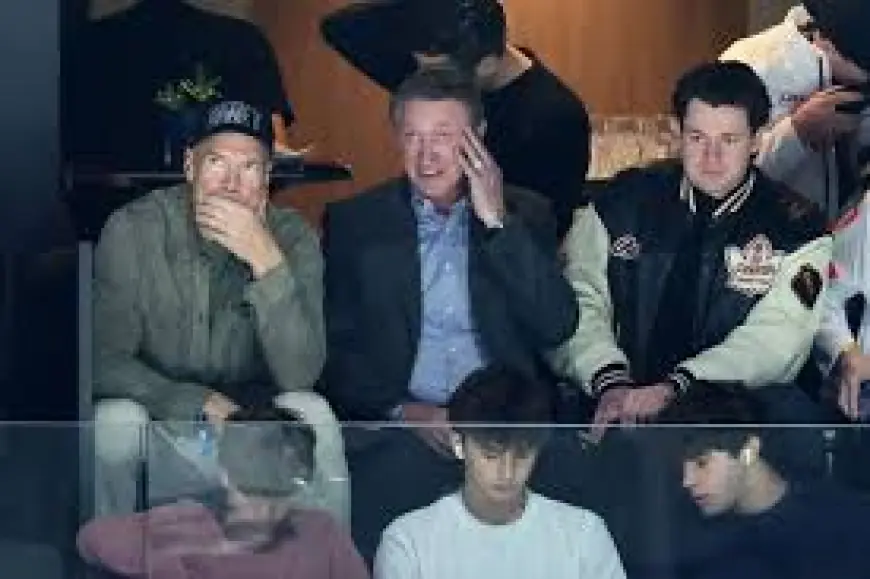
Who feels the impact first? For many Canadians — from hockey fans to workers in vulnerable sectors — the answer is immediate. In a public panel appearance more than a year after a rupture in his relationship with Canada, wayne gretzky skirted questions about national loyalty and steered the conversation back to the game, a move that leaves cultural trust frayed and practical frustrations unresolved.
Wayne Gretzky’s answers shift attention away from accountability and onto symbolism
Here’s the part that matters: when a figure who has long been treated as a national symbol avoids directly addressing why his actions strained ties with his home country, the fallout is felt beyond locker-room chatter. Comments made during the panel emphasized focusing on hockey and supporting a Canadian team’s gold-medal bid, and he characterized the Canada–U. S. relationship as sibling-like — prone to fights but ultimately reconcilable. That line of reply reframes a political or public-affairs question as a sporting issue, which reduces complex civic concerns to morale talk.
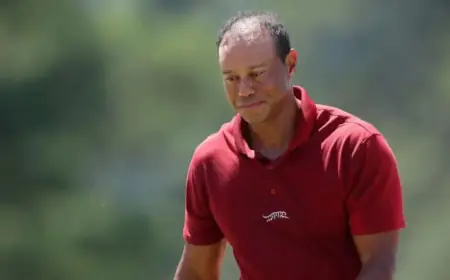
What’s easy to miss is how that rhetorical choice lands differently across groups. For casual fans, it can be dismissal; for critics it’s further evidence of avoidance; for workers already citing economic or social strain, it can feel tone-deaf. The panel exchange included a visible defensive moment when the guest tightened his grip on the microphone as the subject shifted to cross-border tensions, and he laughed in a way the host took to indicate discomfort. None of those reactions resolves the deeper questions audiences were bringing to the conversation.
Event details embedded: the panel exchange and the answers offered
The guest appeared on a national broadcast panel ahead of a Canada–Finland semi-final match. The host pointedly referenced an unsettled period in Canada–U. S. relations and suggested the guest had been pulled into that dispute. Rather than engage with the political dimension, he redirected viewers to the sporting moment and insisted his support for Canada’s gold-medal chances had not wavered. He also described the bilateral relationship in familial terms, suggesting fights are temporary and reconciliation inevitable.
Observers on the panel and commentators have characterized his overall approach as deflecting: steering focus to hockey, offering family-argument metaphors, and avoiding a direct account of actions that had caused the initial rupture more than a year earlier. The exchange closed with references to private-family squabbles as an explanatory frame, a line likely intended to soften public reaction but which some audiences read as insufficient.
- Immediate signal: a national icon chose sport-first framing over a direct civic explanation.
- Affected groups: devoted hockey fans, critics of public figures’ allegiances, and workers invoked by commentators as feeling practical consequences.
- Forward indicator to watch for: any subsequent statements that move beyond roster talk and address the causes of the rupture will change the narrative; silence or further deflection will likely deepen skepticism.
The real question now is whether this appearance closes the chapter or simply postpones accountability. If the guest returns to public forums without addressing the earlier rupture in straightforward terms, the cultural distance between him and parts of the Canadian public is likely to persist.
Rewind, briefly: more than a year elapsed between the initial rupture and this panel appearance; the conversation unfolded ahead of a high-profile semi-final. That sequence — rupture, time gap, then a public attempt at recalibration focused on sport — frames the current moment.
It’s a cautious reading, but the bigger signal here is that symbolic gestures about unity will only go so far when concrete grievances remain unaddressed. For many viewers, cheering at a game and explaining a public split are not interchangeable acts.